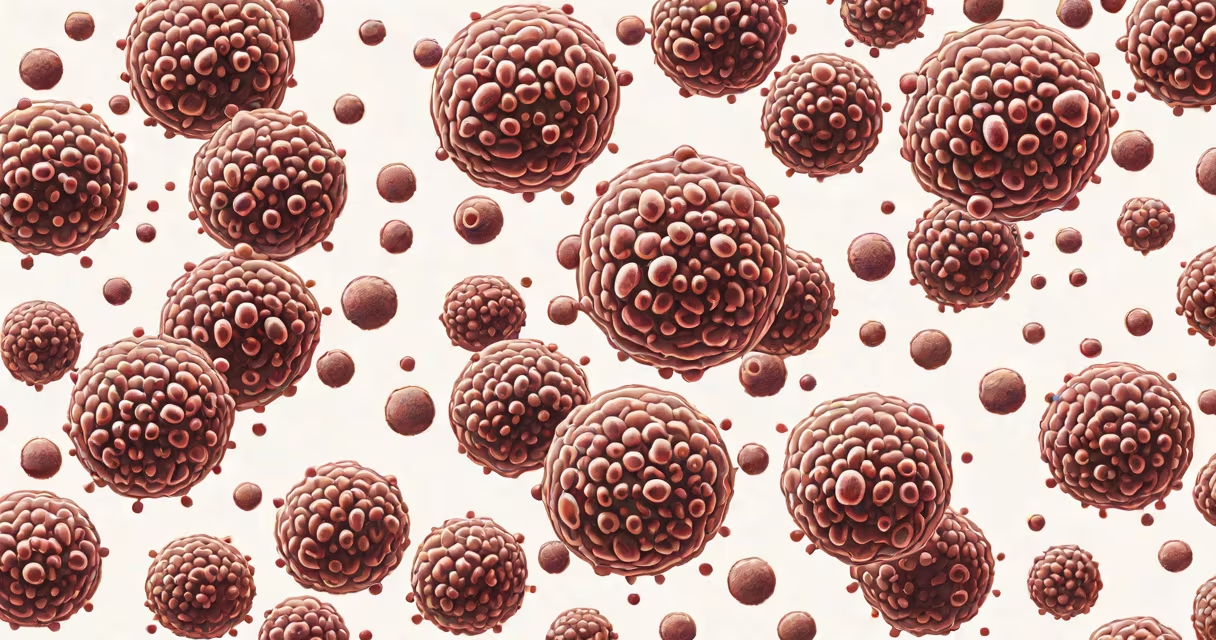
Yes, neutrophils are the most abundant type of white blood cell and serve as the body's primary defense against bacterial and fungal infections.
Neutrophils are produced in the bone marrow and circulate in the bloodstream until they detect signs of infection or tissue damage. They are part of the innate immune system, meaning they respond quickly and broadly without needing prior exposure to a pathogen.
When activated, neutrophils migrate to infected tissues through a process called chemotaxis. There, they engulf and destroy microbes using enzymes stored in granules and by releasing reactive oxygen species. This process, known as phagocytosis, is essential for containing infections before adaptive immunity kicks in.
Neutrophils are short-lived cells, typically surviving only 6 to 8 hours in circulation. Their rapid turnover allows the body to maintain a constant supply of these frontline defenders. Once they reach an infection site, they often die after killing pathogens, forming pus-a visible sign of the immune system at work.
They release antimicrobial peptides such as defensins and cathelicidins, which disrupt microbial membranes. Neutrophils also form extracellular traps (NETs)-webs of DNA and proteins that ensnare bacteria and prevent their spread. NET formation is a double-edged sword: while effective at trapping pathogens, excessive NETs can contribute to inflammation and tissue damage in chronic conditions like lupus or sepsis.
A clinical example: A patient with a severe skin abscess due to Staphylococcus aureus shows elevated neutrophil counts in a complete blood count (CBC). This rise, called neutrophilia, signals an acute bacterial response. Conversely, a drop in neutrophils (neutropenia) increases infection risk, especially in patients undergoing chemotherapy.
White blood cells fall into five main categories based on structure and function. Neutrophils belong to the granulocyte group, characterized by granules in their cytoplasm that stain with neutral dyes.
| Type | % of Total WBCs | Primary Role | Key Feature |
|---|---|---|---|
| Neutrophils | 50-70% | Bacterial/fungal defense, phagocytosis | Multi-lobed nucleus, granules stain pink |
| Lymphocytes | 20-40% | Adaptive immunity (T and B cells) | Round nucleus, minimal granules |
| Monocytes | 2-8% | Antigen presentation, tissue repair | Large size, kidney-shaped nucleus |
| Eosinophils | 1-4% | Parasite defense, allergic responses | Red-staining granules |
| Basophils | 0.5-1% | Mediate allergy, inflammation | Dark blue granules, rare |
Neutrophils are distinguished by their multi-lobed nucleus and granules that stain with neutral dyes-hence the name "neutrophil." This staining property is used in laboratory analysis to identify them under a microscope.
A common misconception is that all white blood cells are involved in long-term immunity. Neutrophils act rapidly but lack immunological memory. They do not remember past infections, unlike lymphocytes, which can mount faster responses upon re-exposure.
Normal neutrophil counts range from 2,500 to 7,500 cells per microliter of blood. Levels below 1,500 indicate neutropenia, increasing vulnerability to infections. Causes include viral infections (e.g., HIV, hepatitis C), autoimmune disorders, certain medications, and bone marrow suppression from chemotherapy.
For example, a 45-year-old woman receiving treatment for breast cancer reports fatigue and fever. Her CBC reveals a neutrophil count of 800/µL. She is diagnosed with febrile neutropenia-a medical emergency requiring hospitalization and antibiotics. Without sufficient neutrophils, even minor infections can progress rapidly.
Conversely, high neutrophil counts (neutrophilia) may signal stress, infection, trauma, or inflammatory diseases like rheumatoid arthritis. Persistent neutrophilia can also be a red flag for myeloproliferative disorders such as chronic myeloid leukemia (CML).
One non-obvious fact: Neutrophils are not exclusively defensive. Research published in *Nature Immunology* shows they can influence tumor progression. In some cancers, neutrophils promote angiogenesis and suppress anti-tumor T-cell activity, contributing to disease spread. This dual role complicates therapeutic targeting.
Some assume neutrophils are the only white blood cells involved in acute infection. While they dominate early responses, lymphocytes and monocytes play important roles in resolving infection and preventing recurrence.
Another confusion arises from lab terminology. A "WBC count" includes all white blood cells. A "differential" report breaks down percentages of each type. For instance, a normal WBC count of 10,000/µL with 70% neutrophils equates to 7,000 neutrophils per µL-within normal limits.
Neutrophils are not the same as platelets. Platelets are cell fragments involved in clotting, while neutrophils are full cells dedicated to infection control. Confusing them leads to misinterpretation of blood tests.
During a routine physical, I reviewed a patient's blood panel showing a WBC of 14,000/µL with 85% neutrophils. The differential confirmed neutrophilia. After further testing, she was diagnosed with pneumonia. The elevated neutrophil count was a direct indicator of active bacterial infection.