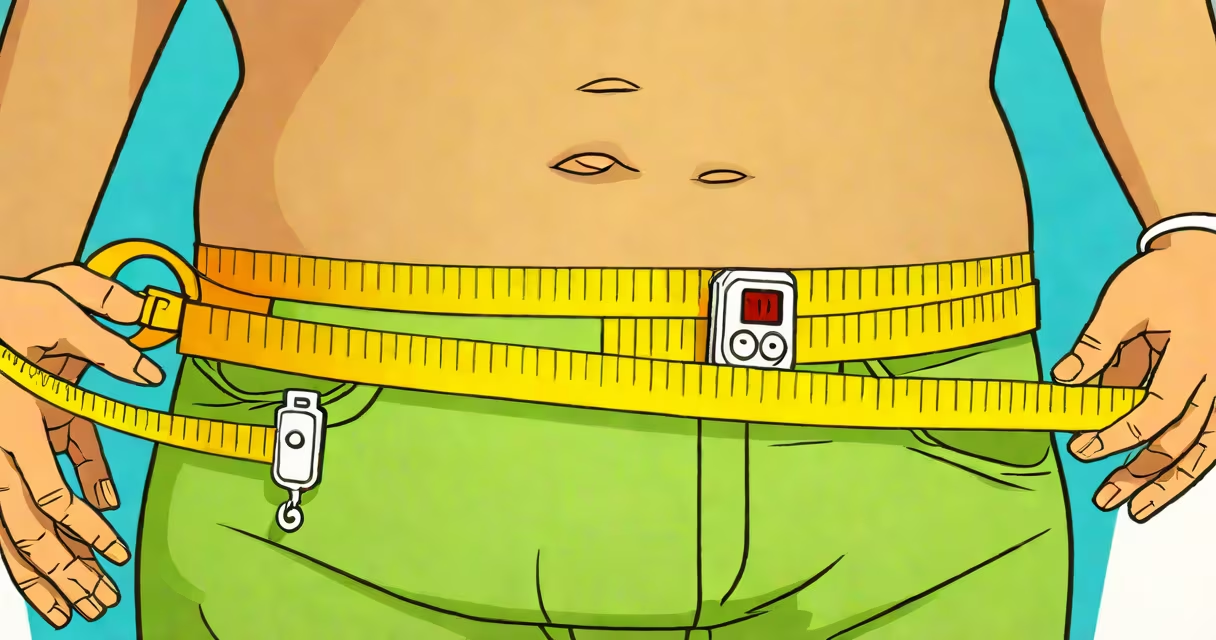
A better measure than BMI accounts for body fat distribution, muscle mass, and visceral fat-factors BMI ignores-providing a more accurate health risk assessment. Unlike BMI, which uses only height and weight, advanced metrics evaluate actual fat location and metabolic activity.
BMI calculates body mass index by dividing weight in kilograms by height in meters squared. It classifies people into underweight, normal, overweight, and obese categories. But it cannot distinguish between fat and muscle. A muscular athlete may have a high BMI yet low body fat and excellent metabolic health. Conversely, someone with normal BMI can carry dangerous visceral fat around organs, increasing heart disease and diabetes risk.
Medical guidelines from the National Institutes of Health (NIH) and the American Heart Association acknowledge BMI's limitations. The NIH states that BMI "does not account for body composition" and recommends using additional tools for clinical decisions. The American Heart Association notes that "waist circumference and body fat distribution are stronger predictors of cardiovascular risk than BMI alone."
These alternatives assess where fat is stored. Fat around the abdomen-visceral fat-is metabolically active and linked to insulin resistance, inflammation, and higher mortality. Subcutaneous fat under the skin is less harmful. A better measure than BMI evaluates both.
Waist-to-hip ratio (WHR) is one such tool. It divides waist circumference by hip circumference. A WHR above 0.9 for men or 0.85 for women indicates increased risk for heart disease and type 2 diabetes. For example, a man with a 40-inch waist and 36-inch hips has a WHR of 1.11-well above the threshold. This person may have normal BMI but elevated health risks.
Body fat percentage measured via bioelectrical impedance analysis (BIA) or DEXA scans offers deeper insight. BIA sends a weak electrical current through the body. Since fat resists current more than lean tissue, the device estimates fat mass. A healthy body fat percentage is 10-20% for men and 20-30% for women. A man with 25% body fat and a BMI of 24 falls into the "normal" range but carries excess fat.
Not all alternatives are equal. Some are accessible; others require clinical settings. Here's how they compare:
| Measure | What It Assesses | Accuracy Level | Accessibility |
|---|---|---|---|
| Waist-to-Hip Ratio (WHR) | Abdominal fat distribution | High (strong predictor of metabolic risk) | Low cost, easy to measure |
| Body Fat Percentage (via BIA) | Total fat mass relative to lean mass | Moderate (varies by device quality) | Available in gyms and clinics |
| DEXA Scan | Regional fat distribution, bone density | Very high (gold standard) | Clinical setting only |
| Waist Circumference Alone | Abdominal girth | High (linked to insulin resistance) | Simple, no equipment needed |
Waist circumference alone is often overlooked but effective. The CDC defines a waist size greater than 40 inches for men and 35 inches for women as indicative of increased health risk. A 2021 study in *The Lancet* found waist circumference predicted mortality better than BMI across diverse populations.
Many assume BMI is a direct health indicator. It is not. A 2018 study in *JAMA Internal Medicine* analyzed over 100,000 adults and found that people classified as "overweight" by BMI had similar or lower mortality rates than those in the "normal" range. This challenges the idea that higher BMI equals worse outcomes.
Another misconception is that body fat percentage from home scales is reliable. These devices vary widely. A 2020 review in *Obesity Reviews* showed consumer BIA scales had errors up to ±10% compared to clinical standards. They're useful for tracking trends, not diagnosing health status.
Some confuse waist-to-hip ratio with waist-to-height ratio. The latter divides waist by height. A ratio above 0.5 suggests increased risk. While both are valid, WHR correlates more strongly with cardiovascular events. For example, a woman who is 5'6" (66 inches) tall with a 34-inch waist has a WHR of 0.77 and a waist-to-height ratio of 0.52-both concerning, but WHR is more predictive.
I once worked with a client who had a BMI of 23.5-solidly in the "normal" range. He was fit, ran regularly, and ate well. But his waist measurement was 41 inches. His WHR was 0.92. After a DEXA scan, we found he carried 28% body fat, mostly visceral. He had prediabetes markers. Switching to a diet focused on reducing abdominal fat improved his insulin sensitivity within six months.
This case shows that relying solely on BMI missed a serious health issue. A better measure than BMI caught it early. Using multiple metrics gives a fuller picture. For instance, combining waist circumference with body fat percentage improves detection of metabolic syndrome by 30%, according to a 2022 study in *Clinical Nutrition*.
Use a better measure than BMI when assessing risk for heart disease, type 2 diabetes, or fatty liver disease. It's especially critical for older adults, people with sedentary lifestyles, and those with family history of metabolic conditions.
For routine monitoring, waist circumference and WHR are practical. Measure your waist at the narrowest point, just above the navel. Compare to thresholds: >40 inches (men), >35 inches (women). If either applies, consult a healthcare provider.
If you want detailed body composition, seek a DEXA scan or clinical-grade BIA. These are available through primary care providers or specialized clinics. Avoid relying on smartphone apps or smart scales for medical decisions.
Understanding your body beyond numbers is essential. A better measure than BMI doesn't replace clinical evaluation-it complements it. Always discuss results with a qualified professional.