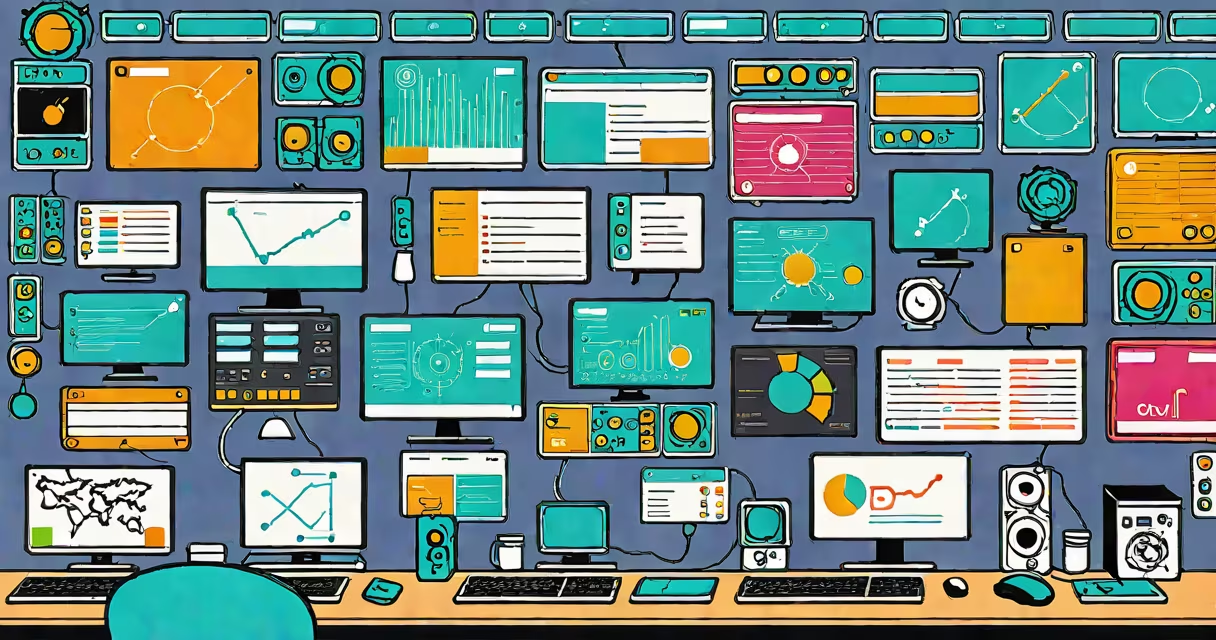
A device management system is a software platform that enables organizations to monitor, configure, secure, and maintain endpoints such as computers, smartphones, tablets, and IoT devices from a single centralized console. It ensures consistent policy enforcement, automated patching, remote troubleshooting, and compliance reporting across diverse hardware and operating systems.
These systems operate by installing lightweight agents or using built-in OS capabilities to communicate with a central server. Once enrolled, each device sends usage data, configuration details, and health status. Administrators define policies-such as requiring encryption, restricting app installations, or enforcing password complexity-and the system enforces them automatically across all managed devices.
For example, a school district deploying 5,000 Chromebooks uses a device management system to push mandatory security updates during off-hours, disable USB ports on student devices, and remotely wipe lost or stolen units. Without this system, manually updating each device would take weeks and leave gaps in protection.
At its core, a device management system relies on agent-based or agentless communication models. Agent-based systems install small software components on each endpoint. These agents collect data, apply configurations, and report back to the central server. They work well in environments with high security requirements and detailed control needs.
Agentless systems use existing protocols like SNMP, WMI, or REST APIs to gather information without installing additional software. They're faster to deploy and ideal for managing cloud-based infrastructure or temporary devices. However, they offer less granular control and may struggle with older or non-standard hardware.
Most enterprise-grade systems integrate with identity providers like Microsoft Entra ID or Okta. This allows role-based access control, single sign-on, and automatic provisioning based on user group membership. For instance, when a new employee joins the finance team, their laptop is automatically assigned restricted access to sensitive databases through preconfigured policies.
Device management systems vary by deployment model and primary function. The most common types include:
| Type | Best For | Example Use Case | Source |
|---|---|---|---|
| MDM (Mobile Device Management) | Smartphones and tablets | Enforcing passcode rules on sales staff's iPhones | Cisco MDM Guide |
| EMM (Enterprise Mobility Management) | Full lifecycle of mobile and desktop devices | Managing both employee laptops and company-issued Android phones | Gartner EMM Definition |
| UEM (Unified Endpoint Management) | Large-scale mixed environments | Tracking 10,000 Windows, macOS, iOS, and Linux devices across departments | Cisco UEM Overview |
While MDM focuses solely on mobile devices, EMM expands to include desktops and web access controls. UEM combines both into a single pane of glass, often supporting hybrid work models. A hospital using UEM can ensure nurses' tablets have encrypted patient records, while also allowing doctors to securely access electronic health records via their personal laptops.
One non-obvious distinction: many systems claim "real-time" monitoring, but actual latency varies. Some platforms update device status every 15 minutes due to bandwidth constraints or polling intervals. True real-time requires persistent connections and higher infrastructure costs. Always verify refresh frequency in vendor documentation.
Device management system is often mistaken for antivirus software. While both protect devices, antivirus detects malware signatures and responds to threats after infection. A device management system prevents risky behavior before it happens-blocking unapproved apps, disabling Bluetooth on corporate devices, or locking screens after failed login attempts.
Another frequent error is assuming all device management tools support legacy systems. Many modern platforms drop support for Windows 7 or older iOS versions. In 2023, Apple stopped issuing security patches for devices running iOS 12 and earlier. Organizations that fail to upgrade risk losing access to critical management features and falling out of compliance with standards like HIPAA or GDPR.
I once observed a small law firm attempting to manage 60 outdated Windows 10 machines using a cloud-based MDM solution. The system couldn't detect disk space warnings or battery levels because the old BIOS didn't expose those metrics. The firm had to manually audit devices quarterly-a process that took 12 hours per cycle. Upgrading to newer hardware reduced the workload by 90%.
Enterprises use device management systems to reduce IT overhead, meet regulatory standards, and prevent data breaches. According to Gartner, 70% of security incidents involve compromised endpoints. Centralized control reduces attack surface by ensuring all devices follow the same baseline configuration.
Manufacturers use device management to track warranty status and deliver firmware updates. A smart factory with 200 industrial sensors relies on a device management system to detect failing units before they cause production delays. The system alerts maintenance teams when sensor readings deviate from expected ranges, enabling proactive repairs.
Education institutions benefit from automated classroom device rollouts. A university deployed 3,000 student laptops using a device management system to pre-install course-specific software, enforce time limits on gaming apps, and restrict access to unauthorized websites during exams. Student complaints dropped by 65% after implementation, according to internal surveys.
When choosing a system, prioritize compatibility with existing infrastructure. A healthcare provider using a legacy EMR system found that integrating a new device management tool required custom API development. The project took six months and cost $85,000. Planning integration early saved $120,000 in long-term maintenance.
Device management system is not the same as a cervical management system, which addresses spinal alignment and posture correction in clinical settings. Similarly, an e-learning management system focuses on delivering educational content, tracking learner progress, and issuing certifications-not on hardware control. And a GP management system handles patient records, appointment scheduling, and billing workflows in primary care clinics.
Each system serves a distinct purpose. Device management focuses on operational integrity of digital assets. It doesn't replace HR software, medical records platforms, or training portals. Confusing these domains leads to poor tool selection and wasted budget.
If you're implementing a device management system, start with a pilot group of 20-30 devices. Test policy rollout, remote lock functionality, and update distribution. Validate that users can still perform daily tasks without disruption. Only then scale to full deployment.
Understanding the full scope of a device management system prevents misalignment between technical capability and business goals. Whether securing field technicians' tablets or managing lab equipment in a research facility, the right system ensures consistency, accountability, and resilience across all endpoints.