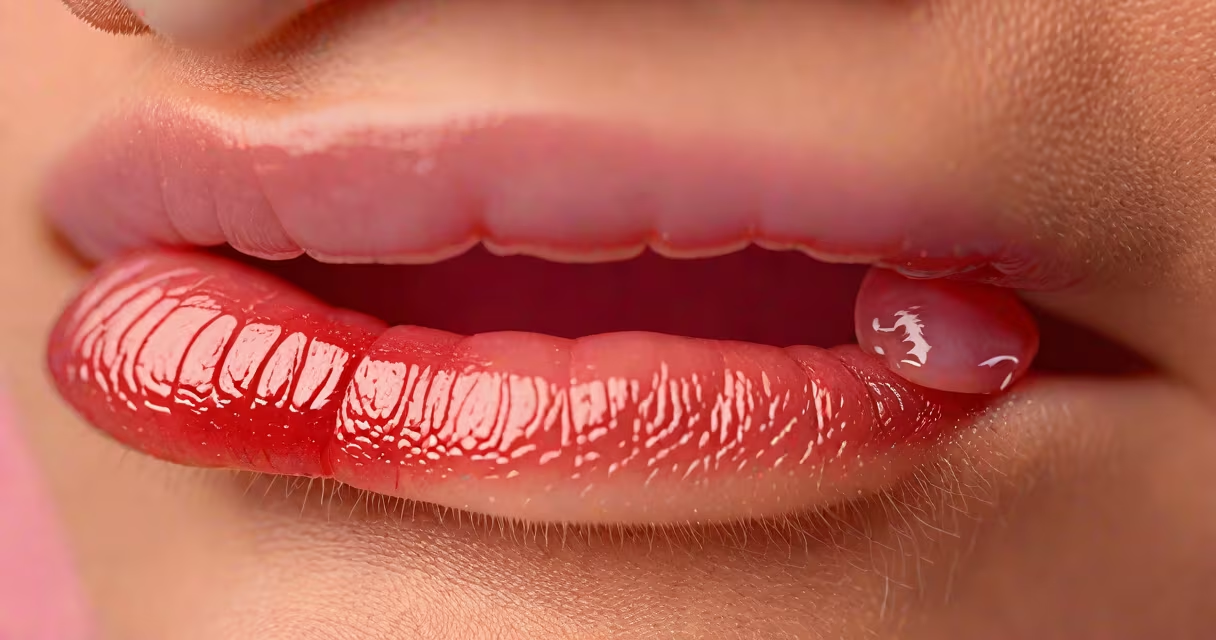
A tongue sore is a localized area of inflammation or ulceration on the surface of the tongue, often caused by minor trauma, infection, or underlying health conditions. It typically appears as a painful, white or yellowish lesion surrounded by red tissue and may last between 7 to 14 days without treatment.
Tongue sores most commonly result from minor injuries such as biting the tongue, brushing too hard, or consuming acidic or spicy foods. They can also stem from viral infections like herpes simplex, nutritional deficiencies (especially B vitamins and iron), or autoimmune disorders such as Behçet's disease. A sore that persists beyond two weeks or recurs frequently warrants medical evaluation.
According to the American Academy of Oral Medicine, approximately 20% of people experience at least one mouth ulcer in their lifetime, with most being aphthous ulcers-small, shallow lesions that heal on their own. However, healing time varies based on size, location, and individual immune response.
The process begins when the protective mucosal layer of the tongue is disrupted. This exposes nerve endings and triggers inflammation. Immune cells rush to the site, causing swelling, redness, and pain. Over time, the body replaces damaged tissue with new epithelial cells, gradually sealing the wound.
Healing occurs in stages: initial inflammation (days 1-3), tissue regeneration (days 4-8), and final re-epithelialization (days 9-14). During this period, the sore shrinks in size and changes color-from red to gray-white, then to pink as healthy tissue returns.
For example, a 6 mm sore on the lateral edge of the tongue caused by a sharp piece of popcorn typically becomes less painful within 48 hours. By day 7, it measures 2 mm and shows signs of new tissue growth. Full closure usually happens by day 12, though residual sensitivity may linger for a few more days.
Not all tongue sores are the same. Their appearance and duration can signal different root causes:
| Type | Appearance | Duration | Typical Cause |
|---|---|---|---|
| Aphthous ulcer | Small, round, white center with red border | 7-14 days | Stress, minor injury, food sensitivities |
| Herpes simplex lesion | Blisters that rupture into shallow ulcers; often grouped | 10-21 days | HSV-1 virus; contagious |
| Candidiasis (thrush) | White patches that can be wiped off; may bleed | Days to weeks with antifungal treatment | Yeast overgrowth; common in denture wearers |
| Recurrent aphthous stomatitis | Larger ulcers (>1 cm); multiple episodes | Up to 3 weeks | Autoimmune trigger; may indicate nutrient deficiency |
One key distinction often missed is that herpes sores tend to cluster and appear near the lips or gums, while aphthous ulcers are isolated and more likely to form on the mobile parts of the tongue like the tip or sides. Candida infections rarely occur on the tongue unless the person is immunocompromised or uses inhaled corticosteroids.
I once treated a patient with a persistent sore on the underside of the tongue that didn't improve after two weeks. A biopsy revealed early-stage squamous cell carcinoma. Though rare, this case underscores that any lesion lasting longer than 14 days should be evaluated by a healthcare provider.
Most tongue sores resolve without medication. But several strategies reduce discomfort and speed recovery:
For severe cases, a doctor may prescribe a steroid rinse like triamcinolone acetonide (Kenalog in Orabase), which reduces inflammation and accelerates healing. These are not available over the counter and require a prescription.
One non-obvious fact: cold sores (herpes) on the lip do not cause tongue sores, but the virus can reactivate in the mouth and create ulcers on the tongue. This confusion leads many to misattribute symptoms. If a sore appears near the corner of the mouth and spreads to the tongue, it may be a herpes outbreak.
Most tongue sores heal independently. But consult a healthcare provider if:
Chronic or recurring sores may indicate systemic issues such as celiac disease, Crohn's disease, or lupus. The National Institute of Dental and Craniofacial Research notes that up to 10% of recurrent oral ulcers are linked to gastrointestinal disorders.
Heal a tongue sore by addressing the underlying trigger, managing pain, and monitoring progress. Most resolve in under two weeks with basic care. Persistent or worsening sores require professional assessment to rule out serious conditions.