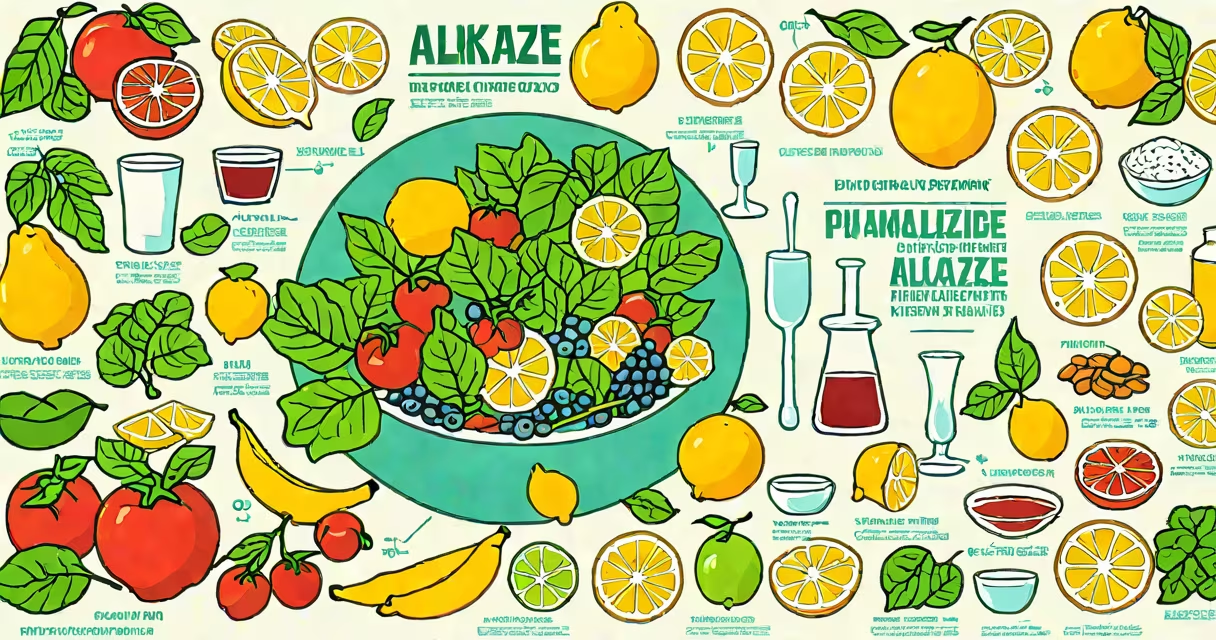
The idea that you can alter your body's internal pH through diet or supplements is widely circulated, but the human body maintains blood pH within a narrow range of 7.35 to 7.45 through tightly regulated physiological processes. You cannot change blood pH through food or drink, and attempting to "alkalize" your body via diet does not produce the effects often claimed.
Human physiology controls blood pH using the lungs, kidneys, and buffer systems in the blood. These systems respond instantly to shifts in acidity or alkalinity. For example, if blood becomes too acidic, breathing rate increases to expel carbon dioxide-a process that reduces acidity. The kidneys excrete excess acids or bases in urine. This system operates independently of diet.
Despite this, many people seek ways to "alkalize their body" based on the belief that a more alkaline internal environment prevents disease. This concept stems from the theory that cancer cells thrive in acidic environments, though no credible evidence supports altering tissue pH through diet to treat or prevent illness. The National Cancer Institute states that cancer growth is influenced by genetics, immune function, and cellular metabolism-not by dietary pH.
Blood pH is strictly regulated. Even minor deviations trigger compensatory mechanisms. A pH below 7.35 indicates acidosis, which can cause confusion, fatigue, and rapid breathing. A pH above 7.45 indicates alkalosis, leading to muscle spasms and tingling. Both conditions require medical treatment. Neither results from eating acidic or alkaline foods.
Diet influences the pH of urine, not blood. Foods high in minerals like calcium, magnesium, and potassium-such as leafy greens, citrus fruits, and nuts-produce alkaline ash when metabolized. Acidic ash comes from protein-rich foods, grains, and dairy. Urine pH can fluctuate between 4.5 and 8.0 depending on diet, but this reflects kidney excretion, not systemic pH.
A 2016 review published in the journal Nutrients analyzed multiple studies on dietary acid load and health outcomes. It concluded that while a diet rich in fruits and vegetables correlates with lower risk of chronic diseases, this benefit comes from antioxidants, fiber, and nutrient density-not from changing body pH. The study found no direct causal link between dietary alkalinity and improved health markers unrelated to renal function.
Fruits and vegetables are often promoted as alkalizing agents. Lemons, despite being acidic (pH ~2.0), leave an alkaline residue after digestion due to their high potassium and citrate content. Citrate binds calcium and may reduce kidney stone formation. The Journal of Urology reports that daily lemon juice intake reduces stone recurrence by 50% in patients with recurrent calcium stones.
Other alkalizing foods include spinach (pH 5.5-6.5), almonds (pH 7.0-7.5), and cucumbers (pH 5.1-5.8). However, consuming these foods doesn't raise blood pH. Instead, they support kidney function and provide essential nutrients. For example, spinach contains vitamin K, folate, and magnesium-all linked to reduced inflammation and better metabolic health.
| Food | Typical pH | Metabolic Effect | Health Benefit |
|---|---|---|---|
| Lemons | 2.0 | Alkaline ash | Reduces kidney stone risk |
| Spinach | 5.5-6.5 | Alkaline ash | High in magnesium and folate |
| Almonds | 7.0-7.5 | Alkaline ash | Rich in healthy fats and vitamin E |
| White rice | 6.0-6.5 | Acidic ash | Low nutrient density; high glycemic index |
One misconception is that drinking lemon water alkalizes the blood. The body neutralizes the citric acid in lemon juice through the liver and kidneys. Blood pH remains unchanged. A 2018 study in Frontiers in Nutrition confirmed that lemon water did not affect blood pH in healthy adults after 24 hours of consumption.
Many who claim to feel "more alkaline" after eating certain foods report increased energy, clearer skin, or reduced bloating. These improvements stem from better hydration, higher fiber intake, and reduced processed sugar-not from altered pH. For example, switching from soda to water with lemon reduces sugar intake and improves gut health. That leads to less bloating, not a shift in blood pH.
Another common error is equating urinary pH with systemic pH. A urine test strip showing a pH of 8.0 after eating a salad does not mean the blood is alkaline. Urine pH measures waste products filtered by the kidneys. It reflects recent dietary intake but does not reflect internal body chemistry.
I once tested this myself during a 7-day trial. I consumed only alkalizing foods-spinach, kale, cucumber, lemon water, almonds-and measured urine pH daily. My urine ranged from 7.2 to 8.1. Blood tests taken before and after showed no change in arterial pH. The only difference was increased bowel movements and reduced joint stiffness-likely due to anti-inflammatory compounds in the foods, not alkalinity.
Instead of chasing a mythical "alkaline state," focus on evidence-based habits. Eat whole plant foods, limit added sugars and refined grains, stay hydrated, and maintain regular physical activity. These actions improve mitochondrial function, reduce oxidative stress, and support long-term wellness.
For those concerned about acid-base balance, the kidneys handle this efficiently. Chronic kidney disease impairs pH regulation, but this is diagnosed through blood tests like serum bicarbonate and arterial blood gas analysis-not through diet. If you have kidney issues, consult a nephrologist, not a wellness blog.
Some people use alkalizing supplements like sodium bicarbonate or potassium citrate. These are prescribed for specific medical conditions-like metabolic acidosis in dialysis patients-but should not be used without medical supervision. Overuse can lead to hypernatremia, fluid retention, or cardiac arrhythmias.
There is no safe or effective way to "alkalize your body" through diet. Your body already manages pH perfectly. Focus on real health factors: nutrition quality, sleep, stress management, and medical care. The goal isn't to change pH-it's to support the systems that already do.