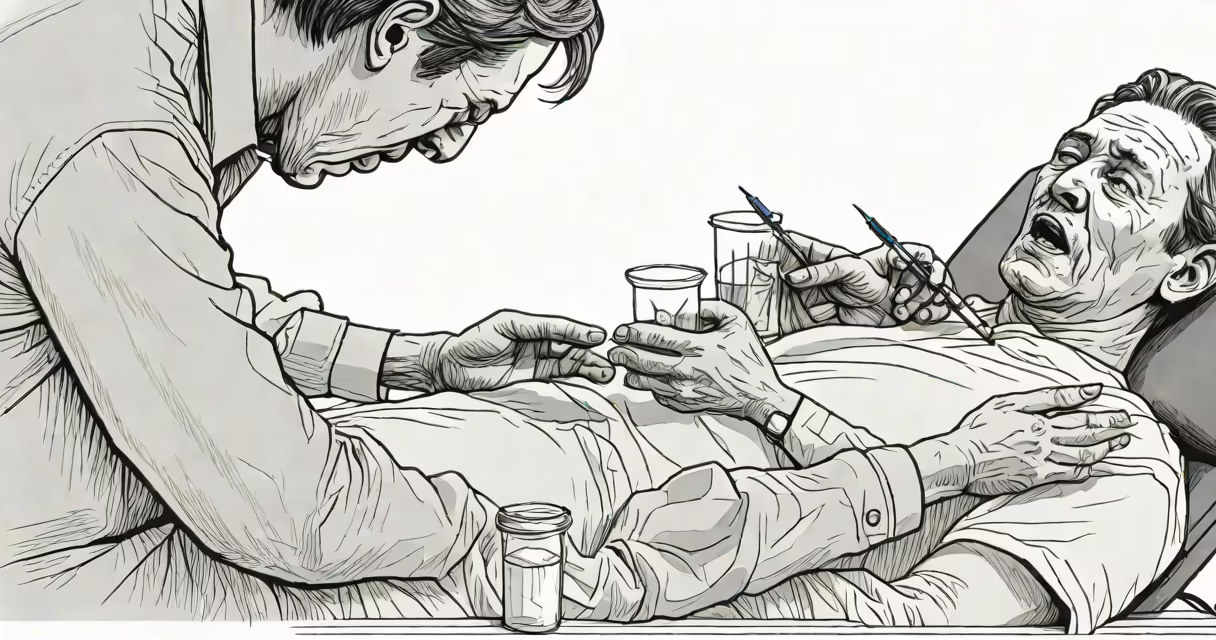
Healthcare providers manage food poisoning by addressing dehydration, relieving symptoms, and treating specific infections when necessary. Treatment varies based on the cause, severity, and patient health, but most cases resolve with supportive care.
Food poisoning results from ingesting contaminated food or water containing bacteria, viruses, parasites, or toxins. Symptoms typically include nausea, vomiting, diarrhea, abdominal cramps, and sometimes fever. The primary goal of treatment is to prevent dehydration and support recovery while the body clears the pathogen.
Most cases are mild and self-limiting, lasting 1-3 days. Providers focus on fluid replacement, electrolyte balance, and symptom control. Severe cases-especially in young children, older adults, or immunocompromised individuals-may require hospitalization and intravenous (IV) fluids.
Providers begin with a clinical assessment. They evaluate symptom duration, frequency of vomiting or diarrhea, signs of dehydration (dry mouth, sunken eyes, low urine output), and any underlying conditions. A physical exam and history guide decisions.
Oral rehydration is the first-line treatment. Patients drink fluids with balanced electrolytes-such as oral rehydration solutions (ORS)-to replace lost sodium, potassium, and glucose. The World Health Organization recommends ORS for mild to moderate dehydration due to its proven efficacy in reducing hospitalization rates.
If oral intake fails or dehydration worsens, IV fluids are administered. Common IV solutions include normal saline (0.9% NaCl) or lactated Ringer's solution. For example, a patient with six episodes of watery diarrhea in 12 hours and reduced urine output may receive 1 liter of IV fluid over four hours.
Antibiotics are not routinely prescribed for food poisoning. Most viral causes-like norovirus or rotavirus-do not respond to antibiotics. Using them unnecessarily increases antibiotic resistance risk.
Antibiotics are reserved for bacterial infections confirmed through stool testing. For instance, Campylobacter jejuni infection, which causes bloody diarrhea and fever, responds well to azithromycin. The Centers for Disease Control and Prevention (CDC) states that antibiotics reduce symptom duration by 1-2 days in confirmed Campylobacter cases.
However, antibiotics can worsen outcomes in certain infections. In Shiga toxin-producing E. coli (STEC), such as O157:H7, antibiotics may increase the risk of hemolytic uremic syndrome (HUS), a life-threatening kidney condition. Providers avoid antibiotics unless absolutely indicated.
| Infection Type | Common Symptoms | Treatment Approach |
|---|---|---|
| Norovirus | Sudden vomiting, watery diarrhea, cramping | Oral rehydration, rest; no antivirals |
| Campylobacter | Bloody stools, fever, cramps | Azithromycin if severe; avoid in early phase |
| Salmonella | Diarrhea, fever, abdominal pain | Supportive care; antibiotics only if systemic spread |
| E. coli O157:H7 | Bloody diarrhea, severe cramps | No antibiotics; focus on hydration and monitoring |
Anti-diarrheal medications like loperamide are generally avoided in acute food poisoning. They slow gut motility, potentially trapping pathogens and increasing toxin exposure. The Mayo Clinic advises against loperamide in cases with fever or blood in stool.
For nausea and vomiting, providers may prescribe ondansetron (Zofran) in patients unable to keep fluids down. A single 4-mg dose can reduce vomiting frequency by 60% in adults, according to a 2019 randomized controlled trial published in The Lancet.
Patients should avoid dairy, fatty foods, caffeine, and alcohol until symptoms subside. A bland diet-bananas, rice, applesauce, toast (BRAT diet)-can ease the transition back to normal eating. However, research shows no significant benefit over regular meals in recovery speed.
Seek immediate care if symptoms persist beyond 48 hours, blood appears in stool, high fever (>102°F/39°C) develops, or signs of dehydration appear. Children under 5 and adults over 65 are at higher risk for complications.
One patient I treated had persistent diarrhea for three days after eating undercooked chicken. Stool tests confirmed Campylobacter. After starting azithromycin and receiving IV fluids, symptoms resolved in 48 hours. This case illustrates that timely diagnosis guides effective treatment.
Some people experience prolonged gastrointestinal issues after food poisoning. Post-infectious irritable bowel syndrome (PI-IBS) affects up to 10% of patients, especially those with severe initial illness. Long-term follow-up may be needed.
Many assume that vomiting and diarrhea must be stopped quickly. In reality, the body often expels harmful agents through these routes. Suppressing them too early can delay recovery.
Another myth is that home remedies like ginger tea or activated charcoal are universally effective. While ginger may mildly reduce nausea, there is no evidence that activated charcoal binds foodborne toxins in the gut. The FDA warns against using it for food poisoning due to lack of proven benefit.
Dehydration is the leading cause of serious complications. One study found that 30% of hospitalized food poisoning cases involved dehydration requiring IV fluids. Early rehydration reduces hospital stay by half.
How do they treat food poisoning? Through rehydration, symptom management, and targeted treatment when infection is confirmed. Supportive care remains central. Antibiotics are used only when the causative organism is identified and sensitive to treatment.
Some patients report burping during recovery. While burping and food poisoning are unrelated, gas buildup from altered gut motility can occur. It's not a sign of infection but may reflect ongoing digestive adjustment.
For specific causes like campylobacter food poisoning, early diagnosis and appropriate antibiotics improve outcomes. Understanding the correct treatment approach ensures faster recovery and fewer complications.