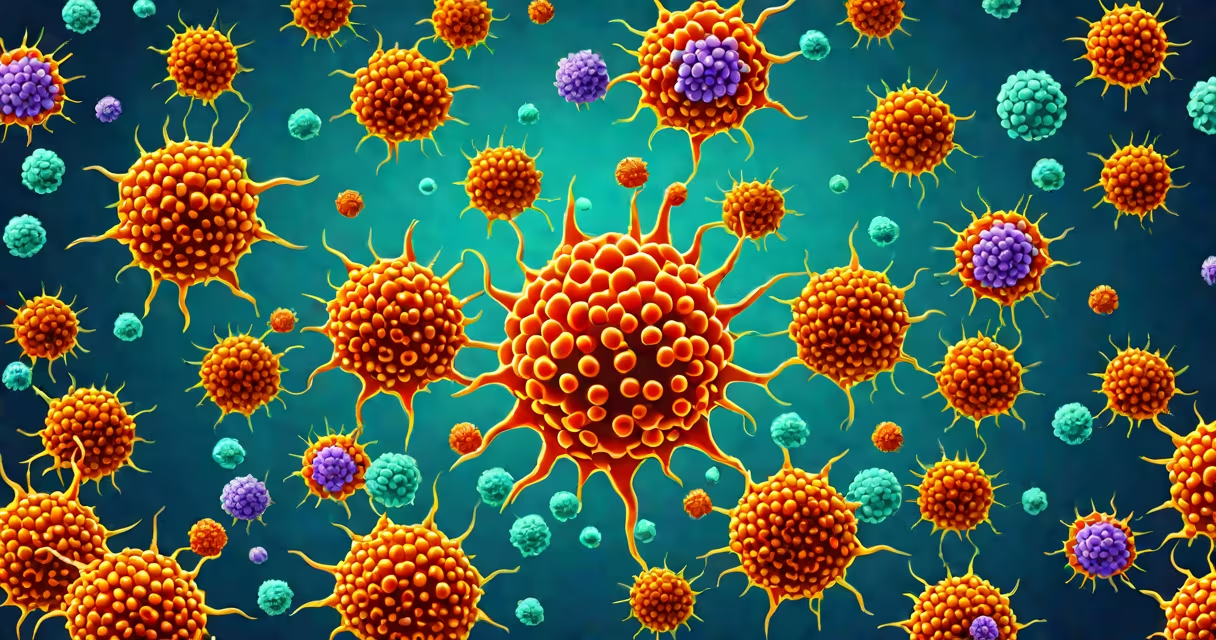
Human body immunity is the complex network of cells, tissues, and processes that defend against infections and abnormal cell growth. It includes both immediate innate responses and long-term adaptive defenses that remember past threats.
The immune system operates through two main branches: innate immunity and adaptive immunity. Innate immunity provides rapid, non-specific protection using physical barriers like skin and mucous membranes, along with cellular responses from macrophages and neutrophils. Adaptive immunity develops over days and targets specific pathogens using B cells and T cells, generating tailored responses and lasting memory.
When a pathogen enters the body, innate cells detect it via pattern recognition receptors. For example, toll-like receptors on dendritic cells recognize bacterial lipopolysaccharides. This triggers inflammation and recruits more immune cells. Within hours, phagocytes engulf and destroy invaders. If the threat persists, antigen-presenting cells activate T cells and B cells, initiating the adaptive response.
Immune function begins at entry points: skin, respiratory tract, gastrointestinal lining. These surfaces act as primary barriers. If breached, innate immune cells respond within minutes. Neutrophils, the most abundant white blood cells, migrate to infection sites and release enzymes to kill bacteria.
Macrophages engulf pathogens and present fragments to T cells. This activates helper T cells (CD4+) that coordinate the immune response by releasing cytokines. Cytokines signal other immune cells to proliferate and increase vascular permeability, allowing more immune cells to reach the site.
B cells produce antibodies-Y-shaped proteins that bind specifically to antigens. Each antibody recognizes a unique epitope on a virus or bacterium. Antibodies neutralize pathogens, mark them for destruction, or activate complement proteins that punch holes in microbial membranes. After exposure, some B cells become memory cells, enabling faster responses upon re-exposure.
The immune system relies on specialized organs and cell types. Bone marrow produces all blood cells, including immune precursors. The thymus matures T cells into functional subtypes: CD4+ helper T cells and CD8+ cytotoxic T cells. Lymph nodes filter lymph fluid and serve as hubs where immune cells meet antigens.
Antibodies fall into five classes: IgG, IgM, IgA, IgD, and IgE. IgG is the most common in blood and provides long-term protection. IgM appears early in infection and is effective at agglutinating pathogens. IgA protects mucosal surfaces like the gut and lungs. IgE mediates allergic reactions and defends against parasites.
A single B cell clone can produce thousands of identical antibodies per minute. During a viral infection, plasma cells derived from activated B cells may secrete up to 2000 antibodies per second. This level of production ensures rapid neutralization of circulating viruses.
| Type | Function | Example Response |
|---|---|---|
| Innate immunity | Immediate, broad-spectrum defense | Neutrophils attacking Staphylococcus aureus in a cut |
| Adaptive immunity | Targeted, memory-based response | B cells producing anti-measles IgG after vaccination |
| Humoral immunity | Antibody-mediated protection in fluids | IgA in breast milk preventing infant gut infections |
| Cell-mediated immunity | T cell-driven killing of infected cells | Cytotoxic T cells destroying HIV-infected CD4+ cells |
Immunity is not synonymous with "strength." A solid immune response can cause tissue damage. Autoimmune diseases like lupus and rheumatoid arthritis occur when the immune system attacks self-tissues. In these cases, the system is hyperactive, not weak.
Another misconception is that vaccines overwhelm the immune system. The average person encounters 10,000 antigens daily through food and environmental exposure. A single vaccine contains fewer than 100 distinct antigens. The immune system handles this load easily.
Some believe natural exposure confers better immunity than vaccination. But natural infection carries risks: polio can cause paralysis, measles can lead to encephalitis. Vaccines mimic infection safely, training the immune system without disease risk. According to the CDC, measles vaccination prevents 1.5 million deaths annually worldwide.
During a 2020 flu season, I observed patients with weakened immunity due to chronic illness. One patient with untreated diabetes developed a severe pneumonia caused by Streptococcus pneumoniae. Despite antibiotic treatment, his recovery was delayed because his neutrophils showed reduced chemotaxis-the ability to move toward infection signals. This illustrates how metabolic health directly affects innate immunity.
Immunotherapy now uses engineered T cells to treat cancers. CAR-T therapy modifies a patient's T cells to target cancer antigens. In clinical trials, 83% of pediatric acute lymphoblastic leukemia patients achieved remission after infusion. This demonstrates how understanding human body immunity enables life-saving treatments.
Immune responses vary widely between people. Genetic differences in HLA genes affect which antigens T cells can recognize. A person with HLA-B*27 is more likely to develop ankylosing spondylitis-a condition where immune cells attack spinal joints. This shows that immunity is shaped by genetics, environment, and prior exposures.
Human body immunity influences public health outcomes. Countries with high vaccination coverage report lower rates of preventable diseases. For example, Japan eliminated rubella in 2013 after introducing universal childhood vaccination. The World Health Organization estimates that immunization prevents 2-3 million deaths each year.
Immune function also affects aging. Immunosenescence-the decline in immune efficiency with age-increases susceptibility to infections and reduces vaccine efficacy. Older adults often require higher-dose flu vaccines to achieve protective antibody levels.
Understanding human body immunity helps explain why some people recover quickly from illness while others face complications. It guides decisions about travel, medication, and lifestyle choices. For instance, people with compromised immunity may avoid crowded places during flu season.
Human body immunity is not a single mechanism but a changing, layered defense system. It integrates immediate responses with long-term memory, adapts to new threats, and maintains balance to avoid self-harm. Its complexity explains both resilience and vulnerability in human health.