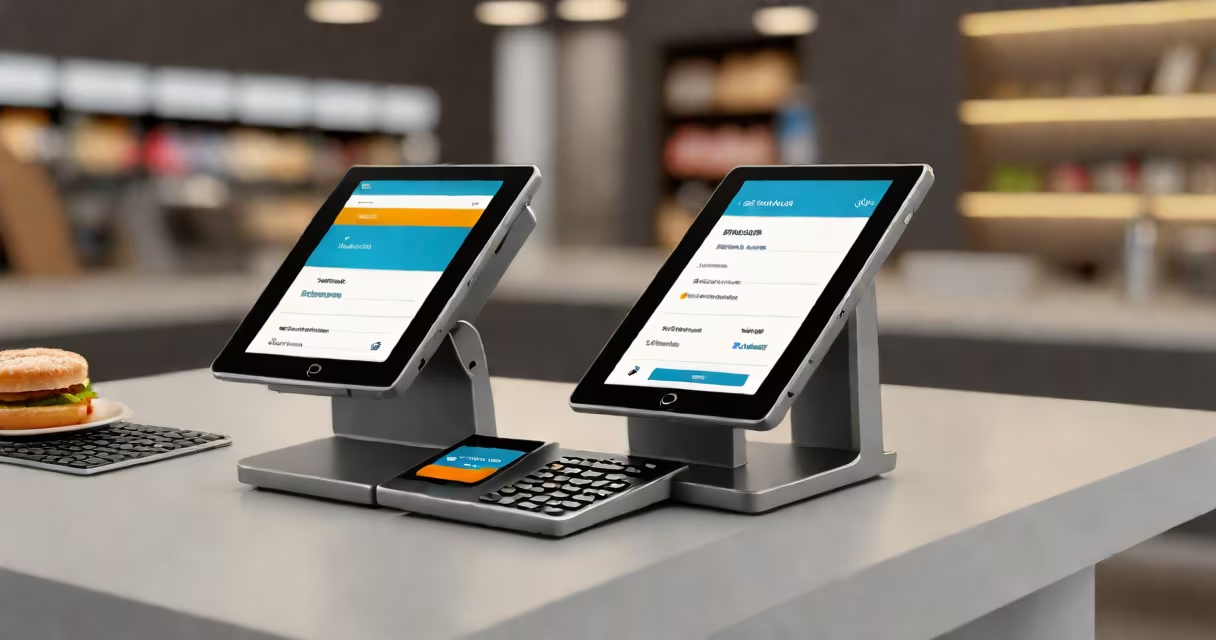
A payment processing provider is a company that enables businesses to accept electronic payments from customers using credit cards, debit cards, or digital wallets. These providers handle the technical and financial steps required to move funds from a customer's bank account or card issuer to a business's bank account, ensuring secure, compliant, and timely transaction settlement.
When a customer swipes, taps, or enters their card details, the payment processing provider verifies the card's validity, checks available funds, and communicates with the card network (like Visa or Mastercard) and the issuing bank. Once approved, the provider authorizes the transaction and arranges for the funds to be transferred to the merchant's account, typically within one to three business days.
These providers offer more than just transaction routing. They include tools for fraud detection, chargeback management, reporting, and integration with e-commerce platforms and point-of-sale systems. Without a payment processing provider, businesses cannot legally accept card payments in most countries.
The process begins when a customer presents a payment method-physical card, digital wallet, or online form. The provider collects the transaction data and sends it through the card network (Visa, Mastercard, etc.) to the cardholder's issuing bank for approval.
Approval depends on several factors: sufficient funds, valid card details, and absence of fraud indicators. If approved, the provider reserves the amount and sends a confirmation back to the merchant. The actual transfer of money happens later during settlement, when the provider deposits the net amount (after fees) into the merchant's bank account.
For online transactions, the provider often uses a payment gateway-a software layer that encrypts card data and connects the merchant's website or app to the processor. This ensures sensitive information never touches the merchant's server, reducing risk and meeting security standards like PCI DSS.
Payment processing providers differ based on their infrastructure, pricing models, and service offerings. The core components include:
Providers fall into three main categories:
| Type | Best For | Typical Fees | Examples |
|---|---|---|---|
| Independent Sales Organization (ISO) | Small to medium retailers needing bundled services | 2.5%-3.5% per transaction + $0.10-$0.30 per swipe | PayPal, Square, Stripe |
| Dedicated Merchant Service Provider (MSP) | High-volume or niche industries (e.g., restaurants, healthcare) | 1.5%-2.5% + flat fee; sometimes tiered pricing | First Data, Worldpay |
| Direct Processor (acquirer-only) | Large enterprises with high transaction volume | Lower rates (1.0%-1.5%) but higher setup costs and compliance requirements | Bank of America Merchant Services, Wells Fargo Business Solutions |
Many providers combine multiple roles. For example, PayPal acts as both acquirer and processor and offers its own gateway. Others, like Stripe, focus on developers and integrate deeply with web applications.
People often confuse a payment processing provider with a merchant account. A merchant account is a bank account held by a business specifically for receiving payments. The provider facilitates access to that account but doesn't hold the funds. You need both to accept card payments.
Another common error is assuming all processors charge the same rate. In reality, fees vary widely based on industry risk, transaction volume, and contract terms. A coffee shop may pay 2.9% + $0.30 per transaction, while a high-risk online gambling site could face 6% or more due to increased fraud likelihood.
Also, many assume that using a provider automatically makes a business PCI DSS compliant. That's false. While providers help meet compliance standards, the merchant remains responsible for securing card data and maintaining audit readiness. Failing to do so can result in fines up to $500,000 per incident, according to the PCI Security Standards Council.
Consider a small café in Portland that sells $200 in daily transactions via card. The owner signs up with Stripe as their payment processing provider. Stripe provides a free POS terminal, integrates with the café's website, and supports Apple Pay and Google Pay.
Each transaction incurs a fee of 2.9% + $0.30. For a $10 purchase, the café pays $0.30 + $0.30 = $0.60 in fees. After 30 days, Stripe deposits $2,940 into the café's bank account after deducting $60 in fees and processing costs.
Stripe also flags a potential fraud attempt when a card is used twice in five minutes from different locations. The system blocks the transaction and alerts the owner. This prevents a loss of $150 and avoids a chargeback, which could cost $20-$50 to resolve.
This example shows how a provider handles authorization, settlement, fraud detection, and reporting-all in one platform.
Look beyond the headline rate. Evaluate:
I once tested four providers for a client's e-commerce store. Two charged lower rates but had poor API documentation and slow response times during load testing. The third offered 24/7 live chat but failed to resolve a recurring authorization failure. Only the fourth-Stripe-provided consistent uptime, clear error codes, and rapid support. That choice reduced cart abandonment by 17% over six months.
Among the largest payment processing companies are PayPal, Stripe, Square, and Adyen. These firms serve millions of merchants globally and handle billions in annual transaction volume. They offer advanced tools for international payments, recurring billing, and changing pricing.
Understanding your payment processing provider is essential for running a reliable, profitable business. Choose one that aligns with your volume, risk profile, and technical needs-not just the lowest advertised rate.