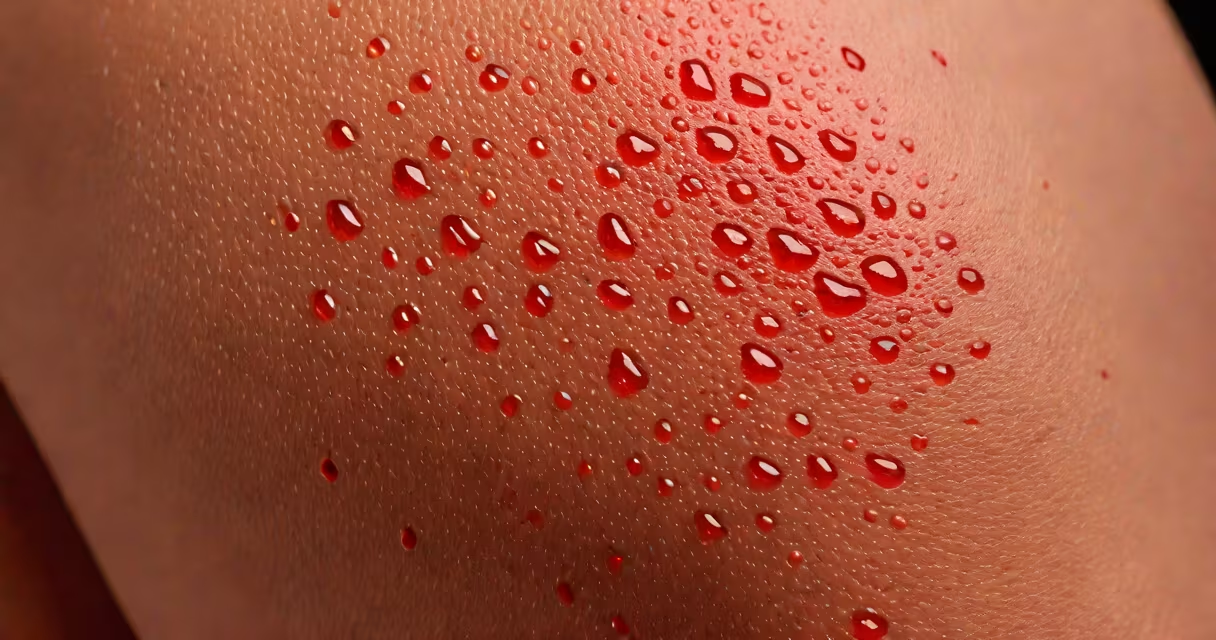
Rashes on body refer to abnormal skin changes marked by redness, itching, bumps, blisters, or scaling that appear across any area of the skin. They result from irritation, infection, allergic reaction, or systemic illness and can affect localized regions or cover large portions of the body.
These skin changes occur when blood vessels dilate, immune cells infiltrate the dermis, or the outer layer of skin sheds abnormally. The appearance varies widely-flat patches, raised welts, fluid-filled lesions, or dry flaking-depending on the underlying trigger. Rashes may develop suddenly or progress over days.
Common triggers include viral infections like measles or chickenpox, bacterial exposure such as impetigo, allergic reactions to medications or foods, and autoimmune disorders like psoriasis or lupus. Some rashes stem from environmental factors, including contact with poison ivy or excessive sun exposure.
The skin acts as a barrier and immune sentinel. When damaged or invaded, immune cells release signaling molecules called cytokines. These cause blood vessels to widen, allowing fluid and white blood cells to enter tissues-leading to swelling, redness, and heat. Nerve endings near the surface become sensitive, producing itch or pain.
For example, a person exposed to poison oak develops a rash within 12 to 72 hours. The plant's oil, urushiol, binds to skin proteins and tricks the immune system into attacking healthy tissue. This results in intense itching, blistering, and crusting-classic signs of contact dermatitis.
Internal conditions can also manifest externally. Lupus, an autoimmune disease, often causes a butterfly-shaped rash across the cheeks and nose. This occurs because antibodies attack the body's own cells, leading to inflammation in the skin's connective tissue layers.
Not all rashes on body are alike. Their appearance, distribution, and associated symptoms help identify the root cause. The table below outlines major categories with distinguishing features.
| Type | Appearance | Common Causes | Typical Location |
|---|---|---|---|
| Viral | Red spots, small blisters, may spread rapidly | Measles, varicella-zoster (chickenpox), Epstein-Barr virus | Trunk, face, arms; may follow a pattern |
| Allergic/Contact | Itchy, red, blistering; sharply demarcated edges | Latex, nickel, poison ivy, certain cosmetics | Where skin touched the allergen |
| Bacterial | Pustules, honey-colored crusts, warm to touch | Staphylococcus aureus, streptococcus | Face, neck, extremities |
| Fungal | Ring-shaped, scaly, central clearing | Tinea corporis (ringworm) | Arms, legs, torso |
| Autoimmune | Thickened, scaly plaques; may be chronic | Psoriasis, lupus erythematosus | Elbows, knees, scalp |
Some rashes appear in patterns tied to nerve pathways-like shingles, which follows a dermatomal distribution. Others, such as those caused by Lyme disease, begin as a bullseye-shaped lesion around the bite site and may spread if untreated.
A lesser-known but critical point: rashes on body can be early signs of systemic illness. The Centers for Disease Control and Prevention (CDC) notes that syphilis, a sexually transmitted infection, may present with a painless rash on the palms and soles during its secondary stage. This symptom often goes unnoticed due to lack of discomfort, delaying diagnosis.
Not all rashes require medical attention. Mild cases from insect bites or minor irritants typically resolve in a few days with rest and over-the-counter treatments. But certain warning signs demand prompt evaluation.
Seek immediate care if a rash spreads rapidly, appears with fever above 101°F (38.3°C), causes difficulty breathing, or leads to confusion. These may signal toxic shock syndrome, Stevens-Johnson syndrome, or sepsis-life-threatening conditions requiring emergency treatment.
Another red flag: rashes that persist beyond two weeks despite home care. A persistent rash on the trunk or limbs may indicate an undiagnosed infection or autoimmune condition. For example, a patient in a 2021 study published in *The Journal of the American Academy of Dermatology* developed a generalized rash after starting a new antibiotic. The rash progressed to blistering and required hospitalization for drug-induced hypersensitivity syndrome.
Doctors assess rashes through visual inspection, patient history, and sometimes lab tests. A skin scraping may reveal fungal hyphae under a microscope. Blood work can detect autoantibodies in lupus or confirm viral markers like EBV IgM.
For a case involving a 34-year-old woman who developed a widespread, itchy rash after returning from a tropical vacation, initial suspicion was a mosquito-borne viral illness. However, a positive serology test confirmed dengue fever. Treatment focused on hydration and symptom relief, with full recovery in seven days.
One non-obvious fact: not all rashes are visible. Some patients report intense itching without a visible lesion. This is known as pruritus sine materia. It can stem from internal causes like kidney failure or thyroid dysfunction, underscoring the need for thorough evaluation.
During a clinic visit, I once observed a man with a symmetrical rash on both forearms and lower legs. He denied recent travel or new products. After a biopsy, the diagnosis was cutaneous T-cell lymphoma-early-stage skin cancer. The rash had mimicked eczema for over six months. Early detection prevented progression.
Most rashes on body respond to targeted therapy. Antivirals treat herpes zoster. Antihistamines reduce allergic reactions. Topical corticosteroids calm inflammation in eczema. Antibiotics treat bacterial infections like impetigo.
Prevention includes avoiding known allergens, using sunscreen, and practicing safe sex. Condoms reduce transmission risk for syphilis and herpes, both of which can cause rashes. Regular screening for STIs is recommended for sexually active individuals.
Understanding rashes on body begins with recognizing their diversity. A single symptom can point to dozens of conditions. Accurate identification depends on timing, location, accompanying symptoms, and response to treatment. When in doubt, consult a healthcare provider rather than self-diagnose.
For those experiencing unexplained rashes, especially with fever, joint pain, or sexual exposure history, exploring how skin manifestations relate to deeper health patterns offers insight into systemic disease. Early recognition improves outcomes across many conditions.