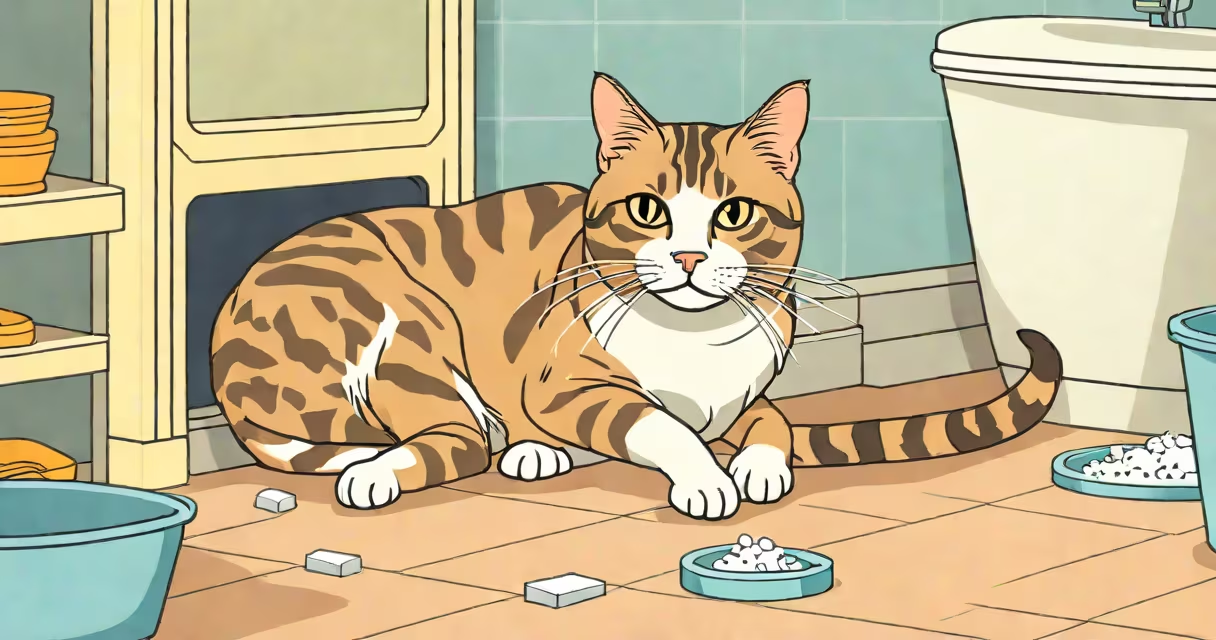
Diarrhea in cats involves loose or watery stools occurring more frequently than usual, often indicating an underlying issue in the digestive tract. It can result from sudden diet changes, bacterial or viral infections, food allergies, or stress. Persistent or severe cases require prompt veterinary evaluation.
Cats process food through the small intestine and colon, where water absorption happens. When this system is disrupted-due to inflammation, rapid transit, or poor digestion-stool becomes loose and frequent. A single episode may resolve within 24 hours, but ongoing or recurring diarrhea signals a deeper problem.
The American Veterinary Medical Association (AVMA) notes that diarrhea is among the top five reasons pet owners consult veterinarians for cats. It's not a disease itself but a symptom of conditions ranging from mild to life-threatening.
When a cat eats, food moves from the mouth to the stomach, then into the small intestine. Nutrients are absorbed here, and water is drawn out in the large intestine. If something disrupts this flow-like irritation from a pathogen or an allergic reaction-water stays in the stool, making it runny.
Acute diarrhea lasts less than three days and often resolves on its own. Chronic diarrhea persists beyond three weeks and suggests long-term issues such as inflammatory bowel disease (IBD), pancreatitis, or malabsorption disorders. The frequency and consistency of stools help determine severity.
A 2021 study published in Veterinary Record found that 62% of cats presenting with diarrhea had normal blood work, indicating that clinical signs alone aren't enough to diagnose the cause. This highlights the need for diagnostic testing beyond basic observation.
Common causes fall into categories based on origin: infectious, dietary, metabolic, or systemic. Each type presents differently and requires distinct management.
| Type | Common Triggers | Typical Duration | Key Indicators |
|---|---|---|---|
| Dietary | Sudden food change, treats, human food, overfeeding | 1-3 days | Loose stool after meal, mild discomfort |
| Infectious | Cryptosporidium, Giardia, feline parvovirus, bacteria | 3-7 days (can persist) | Blood or mucus in stool, fever, lethargy |
| Allergic/Immune | Food sensitivities, IBD, eosinophilic enteritis | Weeks to months | Chronic loose stools, weight loss, vomiting |
| Metabolic/Systemic | Hyperthyroidism, kidney disease, cancer | Persistent | Weight loss, appetite changes, dehydration |
One non-obvious fact: intestinal parasites like roundworms or tapeworms often cause diarrhea without visible worms in stool. A fecal flotation test is required to detect them. The Cornell Feline Health Center reports that 15% of indoor-only cats tested positive for parasitic ova despite no external exposure.
Stress-induced diarrhea is more common than assumed. Cats are sensitive to environmental shifts-moving homes, new pets, loud noises. A 2019 study in Journal of Feline Medicine and Surgery showed that 38% of cats with acute diarrhea had recent household changes, even if owners didn't notice behavioral shifts.
Diarrhea lasting more than 48 hours, especially with blood, mucus, or signs of dehydration (sunken eyes, dry gums), demands veterinary attention. Other red flags include vomiting, fever, weakness, or refusal to eat.
I've seen a 7-year-old domestic shorthair come in with chronic diarrhea after switching from dry kibble to a raw diet. Despite initial improvement, symptoms returned after two weeks. Fecal analysis revealed Giardia cysts. After treatment with metronidazole and a return to a balanced commercial diet, the cat stabilized within five days.
Some owners mistake occasional soft stools for diarrhea. A healthy cat may pass one soft stool daily without illness. True diarrhea involves increased volume, urgency, or frequent defecation. Monitoring litter box habits daily improves early detection.
For mild, isolated episodes, withholding food for 12 hours while offering small amounts of water can rest the gut. After that, reintroduce a bland diet-boiled chicken and rice in a 1:1 ratio-for 2-3 days. Gradually transition back to regular food.
Over-the-counter remedies like probiotics (e.g., FortiFlora) may help restore gut flora. But avoid human anti-diarrheals like loperamide-these are toxic to cats and can cause severe constipation or ileus.
If symptoms don't improve or worsen, contact your vet. They may recommend fecal tests, blood panels, or imaging. Treatment depends on the root cause. For example, antibiotics treat bacterial infections, while antiparasitics clear worms.
Diarrhea in cats is rarely trivial. While some episodes resolve quickly, others signal serious illness. Understanding the triggers-especially those invisible to owners-helps prevent complications and ensures timely care.