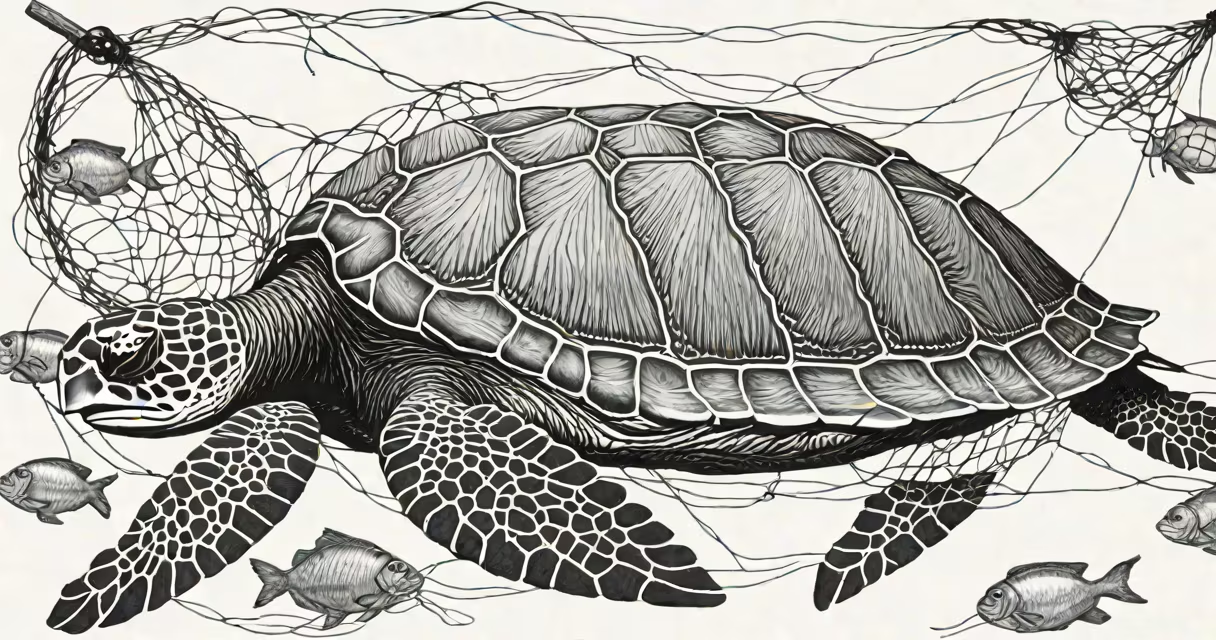
Sea creatures plastic describes plastic waste in marine environments that directly harms or kills marine animals through ingestion, entanglement, or habitat degradation. This includes large debris like bags and nets, as well as microplastics ingested by small organisms.
Plastic enters oceans through rivers, stormwater runoff, shipping, fishing operations, and improper disposal. Once in water, it persists for decades or centuries due to slow degradation. Marine animals mistake floating plastic for food, ingest it, and suffer internal injuries, starvation, or death. Larger items can trap or strangle animals, restricting movement or causing drowning.
The United Nations Environment Programme (UNEP) estimates that 11 million metric tons of plastic enter oceans annually. A 2022 study published in *Science Advances* found that over 700 marine species have documented interactions with plastic, including seabirds, fish, turtles, and mammals. These interactions are not limited to surface debris-microplastics have been detected in deep-sea sediments and within the tissues of commercially caught fish.
Plastic waste originates from urban runoff, industrial discharge, and maritime activities. Single-use plastics such as bottles, straws, and packaging dominate the waste stream. When discarded improperly, these materials travel via rivers into coastal zones and eventually the open ocean.
Currents concentrate plastic into gyres-vast rotating systems of ocean currents. The Great Pacific Garbage Patch, located between Hawaii and California, contains an estimated 1.8 trillion pieces of plastic weighing 80,000 metric tons. Most of this material is fragmented into microplastics under 5 millimeters in size, invisible to the naked eye but highly bioavailable.
Plastic does not biodegrade. Instead, it photodegrades-breaking into smaller pieces under sunlight. These fragments absorb toxins like PCBs and DDT from seawater, which then transfer into the food chain when consumed by marine life.
Marine animals encounter plastic in four primary forms:
| Type | Examples | Effect on Sea Creatures |
|---|---|---|
| Macroplastics | Fishing nets, six-pack rings, bottles | Entanglement, suffocation, injury from sharp edges |
| Microplastics | Fragmented plastic, synthetic fibers from clothing | Ingestion leading to internal blockages, reduced feeding, toxin transfer |
| Nanoplastics | Particles smaller than 1 micrometer | Penetrate cell membranes, disrupt metabolism, accumulate in organs |
| Secondary pollutants | Plastic coated with absorbed chemicals | Endocrine disruption, reproductive harm, immune suppression |
A 2021 study in *Environmental Science & Technology* showed that 35% of sampled fish from the North Atlantic contained microplastics in their digestive tracts. Some individuals had over 100 particles per gram of tissue. This level of contamination raises concerns about human consumption risks and system-wide effects.
Many assume that only large animals like sea turtles or whales are affected. In reality, even plankton-the base of the marine food web-consume microplastics. A 2020 experiment at the Scripps Institution of Oceanography demonstrated that copepods exposed to microplastics reduced reproduction rates by 40% and altered feeding behavior.
Another myth is that plastic biodegrades in the ocean. It does not. While UV light breaks larger pieces into smaller ones, the chemical structure remains intact. A 2023 report from the National Oceanic and Atmospheric Administration (NOAA) confirmed that polyethylene, the most common plastic, takes 200-400 years to fragment completely.
Some believe recycling solves the problem. Only 9% of all plastic ever produced has been recycled globally. The rest ends up in landfills, incinerators, or the environment. Even recyclable plastics often degrade in quality after one cycle, limiting reuse potential.
In 2023, researchers in Costa Rica recovered a juvenile olive ridley turtle from a beach near Playa Grande. The animal had ingested a plastic bag that blocked its esophagus. The bag was still identifiable by its original logo-"Ocean Fresh" brand, sold in local markets.
Veterinarians performed surgery to remove the obstruction. Post-op analysis revealed microplastics in the turtle's liver and kidneys. The turtle survived but required months of rehabilitation. This case illustrates how consumer products, even those used briefly, can persist long enough to impact endangered species.
During the recovery, scientists collected nearby debris. Of 120 samples taken from the sand, 68% were plastic fragments. Most were from single-use containers and packaging. This highlights the direct link between local waste habits and marine harm.
Plastic pollution alters entire ecosystems. Coral reefs, important nurseries for fish, become smothered by plastic debris. A 2021 study in *Nature Communications* found that corals exposed to plastic had a 20% higher mortality rate and reduced growth. Plastic also introduces pathogens; a 2020 paper in *Frontiers in Microbiology* identified 100 bacterial species on plastic surfaces in the Mediterranean, many pathogenic to marine life.
Humans depend on healthy oceans for food, climate regulation, and economic activity. Over 3 billion people rely on seafood as a primary protein source. Contaminated fish may carry microplastics and associated toxins, posing health risks to consumers.
When plastic enters the food chain, it moves from small organisms to predators. A 2022 study in *Environmental Pollution* tracked microplastics in tuna from the Pacific. Samples contained an average of 1.8 particles per gram of muscle tissue. This demonstrates that plastic in the sea reaches human tables.
Reducing sea creatures plastic requires systemic change. Governments enforce bans on single-use plastics. The European Union's Single-Use Plastics Directive, effective 2021, eliminated plastic cutlery, plates, and straws from member states. Enforcement led to a 45% drop in plastic waste in coastal areas within two years.
Individuals can reduce consumption, choose reusable alternatives, and support policies that limit plastic production. Businesses are shifting toward circular models-designing products for reuse, repair, or safe recycling.
Sea creatures plastic is not a distant environmental concern-it is a measurable, ongoing threat to biodiversity and human well-being. Addressing it demands awareness, policy, and daily choices that prevent plastic from reaching marine habitats.