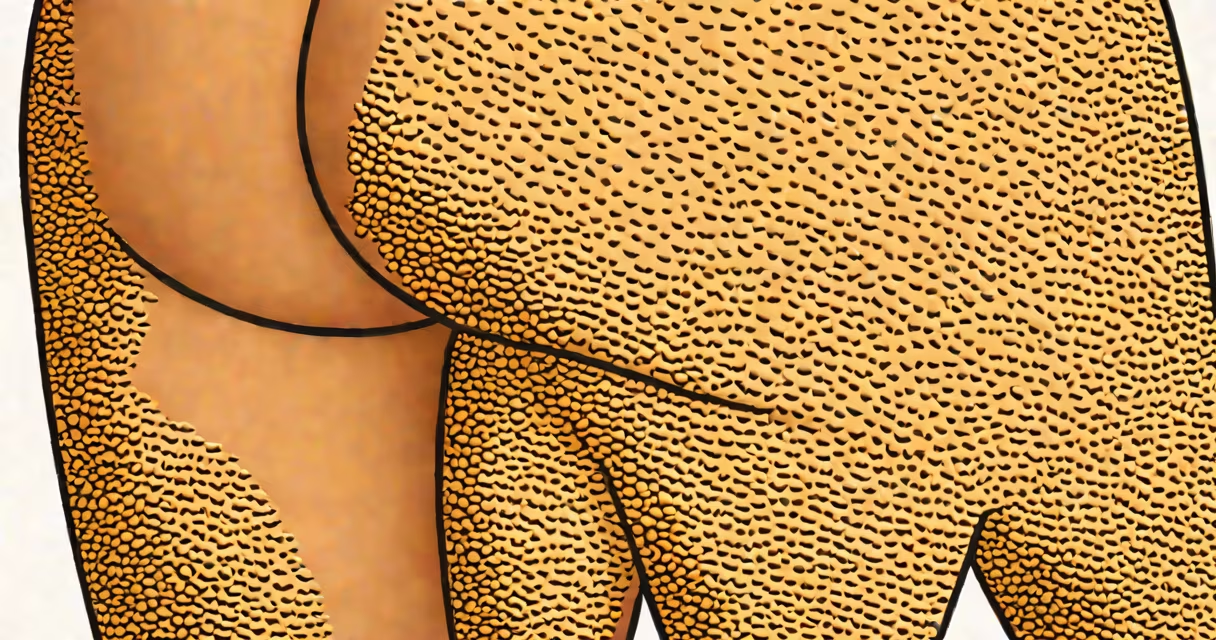
Bumps on the inner thighs are typically caused by clogged hair follicles, excess keratin buildup, or inflammation from friction and sweat. They often appear as small, rough, red or flesh-colored dots, especially in areas with frequent rubbing or moisture.
These bumps are most commonly due to keratosis pilaris, a harmless condition affecting up to 50% of adults, according to the American Academy of Dermatology. They may worsen in dry winter months and improve with consistent moisturizing. Other causes include folliculitis-bacterial or fungal infection of hair follicles-and ingrown hairs, particularly after shaving or waxing.
While many cases are mild and resolve on their own, persistent or painful bumps may signal a need for medical evaluation. The appearance varies by cause: keratosis pilaris forms rough, sandpaper-like patches; folliculitis presents as pus-filled red bumps; ingrown hairs show as tender, raised nodules with a visible hair curling under the skin.
Keratosis pilaris occurs when excess keratin-a protein that protects skin-builds up and blocks the opening of hair follicles. This leads to small, hard bumps that feel like goosebumps. The condition is genetic and often appears during puberty, though it can persist into adulthood.
Folliculitis develops when bacteria (usually Staphylococcus aureus) or fungi enter hair follicles through minor trauma. Sweat, tight clothing, and hot environments increase risk. A single bump may grow rapidly, become painful, and drain pus. Recurrent folliculitis is common in people who shave frequently or wear synthetic fabrics that trap heat and moisture.
Ingrown hairs happen when a shaved or waxed hair curls back into the skin instead of growing out. The body treats the hair as a foreign object, triggering inflammation. This results in a firm, red bump that may itch or burn. Ingrown hairs are especially common in people with curly or coarse hair.
The following table outlines the most frequent causes of bumps on the inner thighs:
| Type | Appearance | Common Triggers | Typical Treatment |
|---|---|---|---|
| Keratosis pilaris | Rough, small, flesh-colored or red bumps; feels like sandpaper | Dry skin, cold weather, genetics | Moisturizers with lactic acid or urea; topical retinoids |
| Folliculitis | Red, pus-filled bumps; may cluster; can be tender | Shaving, tight clothes, hot tubs, bacterial/fungal exposure | Antibacterial washes; topical antibiotics; antifungals if fungal |
| Ingrown hairs | Round, raised, red or darkened bumps; may contain visible hair | Shaving, waxing, friction from clothing | Warm compresses; exfoliation; gentle hair removal techniques |
A common misunderstanding is equating all bumps with infections. Not every bump requires antibiotics. For example, keratosis pilaris is not contagious and does not respond to antibacterial products. Using harsh soaps or scrubbing too hard can worsen irritation and lead to secondary infection.
Another misconception is that these bumps indicate poor hygiene. They are not caused by dirt or lack of cleaning. In fact, over-washing or using scented soaps can strip the skin's natural barrier and make conditions like folliculitis more likely.
See a dermatologist if bumps are painful, spreading, draining fluid, or failing to improve after two weeks of home care. Signs of systemic infection-fever, swollen lymph nodes, or rapid worsening-require prompt evaluation.
Recurrent folliculitis may indicate an underlying issue such as diabetes or weakened immunity. A 2021 study in the Journal of the American Academy of Dermatology found that 15% of patients with chronic folliculitis had undiagnosed metabolic syndrome. Testing for blood sugar and insulin levels may be recommended.
I once treated a patient with persistent bumps on both inner thighs after years of self-treatment with over-the-counter creams. The diagnosis was keratosis pilaris with secondary bacterial colonization. After switching to a lactic acid-based moisturizer and using a benzoyl peroxide wash, symptoms improved within four weeks. The key was identifying the root cause rather than treating all bumps as infections.
Keep skin clean and dry. Use fragrance-free, pH-balanced cleansers. Avoid tight-fitting synthetic fabrics; opt for breathable cotton or moisture-wicking materials. Shave with a sharp razor and in the direction of hair growth to reduce ingrowns.
For keratosis pilaris, apply a thick moisturizer daily. Look for ingredients like lactic acid (10%), urea (10-20%), or salicylic acid. Apply after showering while skin is still damp to lock in hydration.
For accurate diagnosis and treatment, consult a healthcare provider. Some rarer causes-like pityriasis rubra pilaris or lichen planopilaris-mimic keratosis pilaris but require different management. A dermatologist can perform a skin biopsy or dermoscopy if needed.
Understanding what are the bumps on your inner thighs begins with observing their pattern, texture, and response to care. Most are benign and manageable at home. But when they persist or change, seeking professional guidance ensures effective treatment and prevents complications.
For detailed insight into potential causes and next steps, explore what bumps on your inner thigh mean.