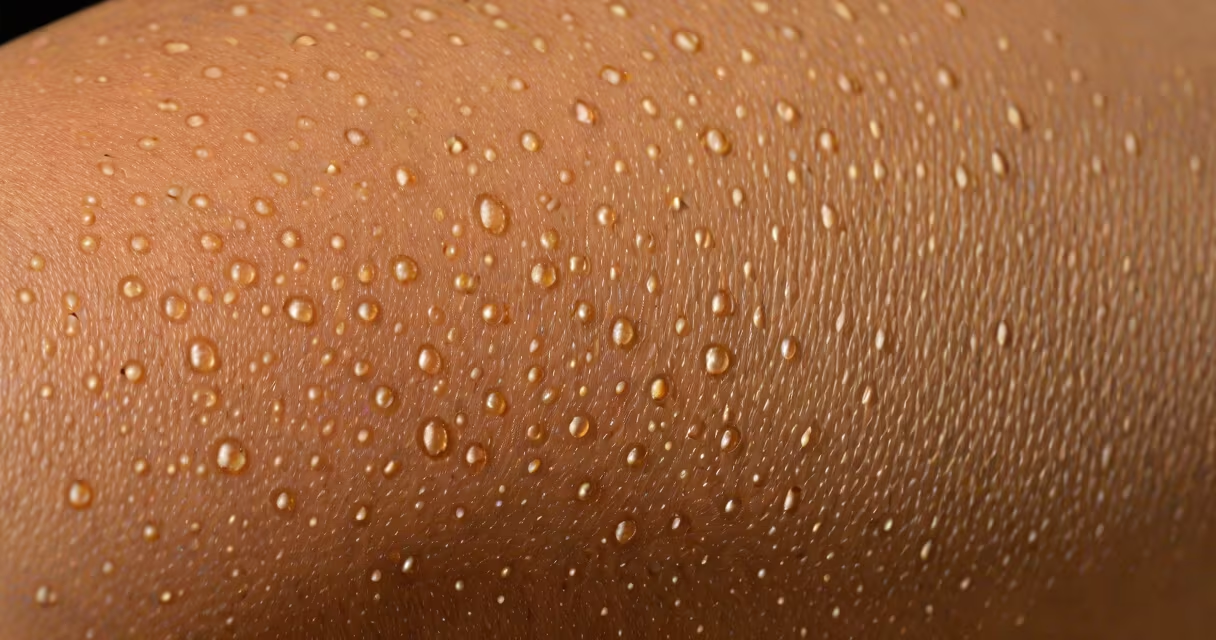
Little bumps on skin typically result from blocked hair follicles, trapped dead skin cells, or inflammation in the outer layer of the skin. These bumps may appear as tiny, flesh-colored, red, or dark spots and are often found on arms, legs, cheeks, or back.
Most cases stem from harmless conditions like keratosis pilaris or folliculitis. Less commonly, they signal allergic reactions, infections, or autoimmune responses. Identifying the cause requires assessing location, texture, color, and whether they itch, hurt, or spread.
Bumps form when the skin's natural shedding process becomes disrupted. Dead skin cells clump together and block the opening of a hair follicle. This creates a small, firm bump that may stay flat or rise slightly above the surface. If bacteria enter the blocked follicle, infection can develop, leading to redness, swelling, and pus.
The process begins beneath the skin's surface. Sebaceous glands produce oil to lubricate the skin. When excess oil mixes with dead cells, it can harden and obstruct the follicle. This blockage traps debris and microbes, triggering inflammation. The immune system responds by sending white blood cells to the area, causing localized redness and tenderness.
For example, a person with oily skin who showers daily with hot water may notice small bumps on their upper back within a week. The heat strips natural oils, prompting the skin to overproduce sebum. Combined with dead skin buildup, this leads to clogged follicles and early-stage folliculitis.
Not all bumps are the same. The appearance and location help distinguish between common causes:
| Type | Appearance | Location | Primary Cause |
|---|---|---|---|
| Keratosis pilaris | Flesh-colored or red, sandpaper-like bumps | Upper arms, thighs, buttocks | Excess keratin blocking follicles |
| Folliculitis | Red, pus-filled bumps around hair follicles | Arms, legs, face, groin | Bacterial or fungal infection in follicles |
| Miliaria (heat rash) | Small, clear or pink blisters | Areas prone to sweating: neck, chest, underarms | Blocked sweat ducts due to heat or humidity |
| Acne comedones | Whiteheads or blackheads | Face, back, shoulders | Oil and dead cell buildup in pores |
Keratosis pilaris affects approximately 40% of adults and 50% of adolescents, according to the American Academy of Dermatology. It often appears during puberty and improves with age. The condition is linked to genetics and dry skin, not poor hygiene.
Folliculitis, especially caused by Staphylococcus aureus, is common in people who shave frequently or wear tight clothing. A 2021 study in the Journal of the American Academy of Dermatology found that 68% of patients with recurrent folliculitis had a history of shaving or using occlusive skincare products.
Many assume all small skin bumps are acne. Acne primarily involves clogged pores with visible blackheads or whiteheads. Bumps from keratosis pilaris lack this structure-they're not plugged with sebum and don't have a central plug. They feel rough, like sandpaper, and rarely inflame unless irritated.
Another mistake is treating every red bump as an infection. Not all red, tender bumps are bacterial. Miliaria, for instance, results from blocked sweat glands, not germs. Sweating in hot weather causes sweat to pool under the skin, leading to tiny blisters. Cooling down and wearing loose clothes usually resolves it within hours.
A non-obvious distinction: some bumps are not skin-related at all. For example, a person with eczema may develop small, scaly bumps from scratching. These are secondary lesions caused by trauma, not primary skin conditions. True folliculitis starts in the follicle; scratching damages the surrounding tissue and creates false impressions of infection.
See a dermatologist if bumps persist for more than four weeks, spread rapidly, or cause pain, fever, or drainage. These signs suggest infection or a systemic issue like psoriasis or lupus.
I once treated a patient with persistent red bumps on his forearms. He assumed it was dry skin and applied thick moisturizers. After two months, the bumps worsened and began oozing. A biopsy revealed lichen planus, an autoimmune disorder. Early diagnosis prevented further skin damage.
For mild cases, over-the-counter treatments can help. A 2% salicylic acid wash reduces dead cell buildup in keratosis pilaris. Topical clindamycin treats bacterial folliculitis. Avoid harsh scrubs-these worsen irritation and increase risk of secondary infection.
Knowing the root cause of little bumps on skin prevents misdiagnosis and guides effective management. Most are benign and manageable at home. But persistent or painful bumps require professional evaluation to rule out serious conditions.