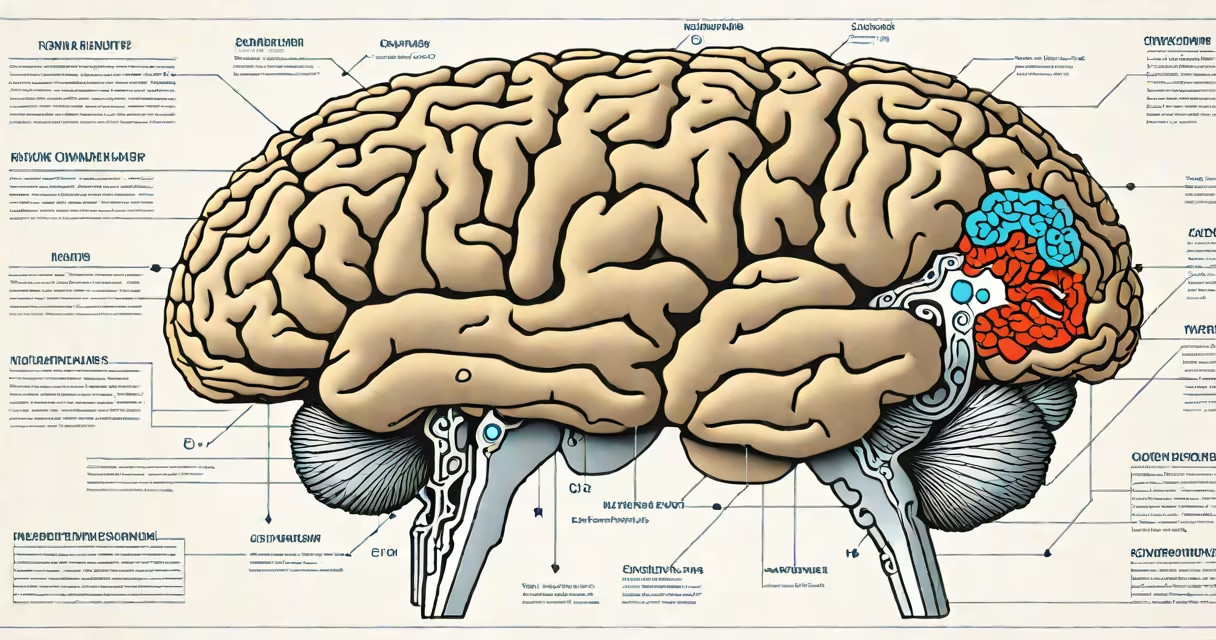
The hypothalamus, a small region in the brain's lower central area, regulates body temperature by monitoring internal and external conditions and initiating physiological responses to maintain a stable core temperature around 98.6°F (37°C).
Located just above the pituitary gland and beneath the thalamus, the hypothalamus acts as the body's thermostat. It receives input from temperature sensors in the skin, spinal cord, and internal organs. When it detects deviations from the set point, it activates effectors-such as sweat glands, blood vessels, and muscles-to restore equilibrium.
This process occurs automatically through the autonomic nervous system. For example, when ambient temperature rises, the hypothalamus triggers vasodilation and sweat production to cool the body. When cold exposure occurs, it initiates shivering and vasoconstriction to conserve heat. These mechanisms operate continuously, even during sleep.
The hypothalamus contains specialized neurons called thermoreceptors that detect temperature changes. Warm-sensitive neurons fire when temperatures rise above normal; cold-sensitive neurons activate when temperatures drop. These signals converge in the preoptic area of the hypothalamus, which integrates inputs and coordinates responses.
For cooling, the hypothalamus sends signals via sympathetic nerves to sweat glands and dilates blood vessels near the skin surface. This increases heat loss through evaporation and radiation. For warming, it triggers shivering-a rapid contraction of skeletal muscles that generates heat-and constricts peripheral blood vessels to reduce heat loss.
A real-world example: During a winter run at 32°F (0°C), the hypothalamus detects cold in the skin and core. It activates goosebumps (via arrector pili muscle contraction), reduces blood flow to extremities, and increases metabolic rate. Without this response, core temperature would drop rapidly, risking hypothermia.
| Structure | Function in Temperature Control | Example Response |
|---|---|---|
| Hypothalamus (preoptic area) | Central processor for thermal signals | Initiates shivering when core temp drops below 97.7°F |
| Skin thermoreceptors | Detect environmental temperature | Signal cold to hypothalamus within 0.5 seconds |
| Pituitary gland | Releases hormones influencing metabolism | Stimulates thyroid hormone release to increase heat production |
| Adrenal medulla | Releases epinephrine to boost metabolic rate | Increases heart rate and glucose availability during cold stress |
While the hypothalamus is the primary regulator, it relies on feedback loops involving multiple systems. The endocrine system contributes through hormones like thyroxine and cortisol, which modulate basal metabolic rate. The autonomic nervous system executes immediate adjustments through involuntary actions.
One non-obvious fact: The hypothalamus does not directly control sweat glands. Instead, it signals the sympathetic nervous system, which releases acetylcholine onto eccrine sweat glands. This distinction matters because certain neurological disorders can disrupt this pathway, leading to abnormal sweating patterns even when core temperature is normal.
Many assume the pineal gland or thyroid gland regulates temperature. The pineal gland produces melatonin and influences circadian rhythms, not thermoregulation. The thyroid secretes hormones that affect metabolic rate over time, but it does not respond quickly enough to acute temperature shifts.
Another confusion arises between fever and hyperthermia. Fever results from immune signaling (e.g., interleukin-1) resetting the hypothalamus's set point upward. Hyperthermia occurs when external heat overwhelms the body's ability to dissipate heat-such as in heatstroke-where the hypothalamus fails to initiate cooling despite high core temperature.
I once observed a patient with a brainstem tumor compressing the hypothalamus. Despite a core temperature of 103.5°F (39.7°C), they showed no signs of sweating or shivering. Their body could not respond to temperature changes, demonstrating how critical the hypothalamus is for automatic regulation.
Failure of the hypothalamus leads to significant health risks. Hypothermia occurs when core temperature falls below 95°F (35°C)-a condition linked to altered mental status, bradycardia, and cardiac arrest. Hyperthermia above 104°F (40°C) causes protein denaturation, seizures, and organ failure.
Conditions affecting the hypothalamus include stroke, tumors, infections like meningitis, and autoimmune diseases such as sarcoidosis. A 2021 study in *The Lancet Neurology* found that 14% of patients with hypothalamic lesions developed chronic dysregulation of body temperature, often misdiagnosed as psychiatric illness.
Thermoregulation is not a single event but a changing balance maintained by continuous sensory input and motor output. The hypothalamus integrates thousands of signals per minute to keep the body within a narrow thermal window. Disruptions-even minor ones-can cascade into systemic failure.
Body temperature regulation is not managed by a gland in the traditional sense. The hypothalamus is a neural structure, not an endocrine organ. It does not secrete hormones into the bloodstream to regulate temperature. Instead, it uses neural pathways and reflexes. This distinction clarifies why medications targeting hormone receptors do not correct acute thermoregulatory failure.
The hypothalamus is the master controller of body temperature. Its role is foundational to survival, yet it operates invisibly-until something goes wrong.