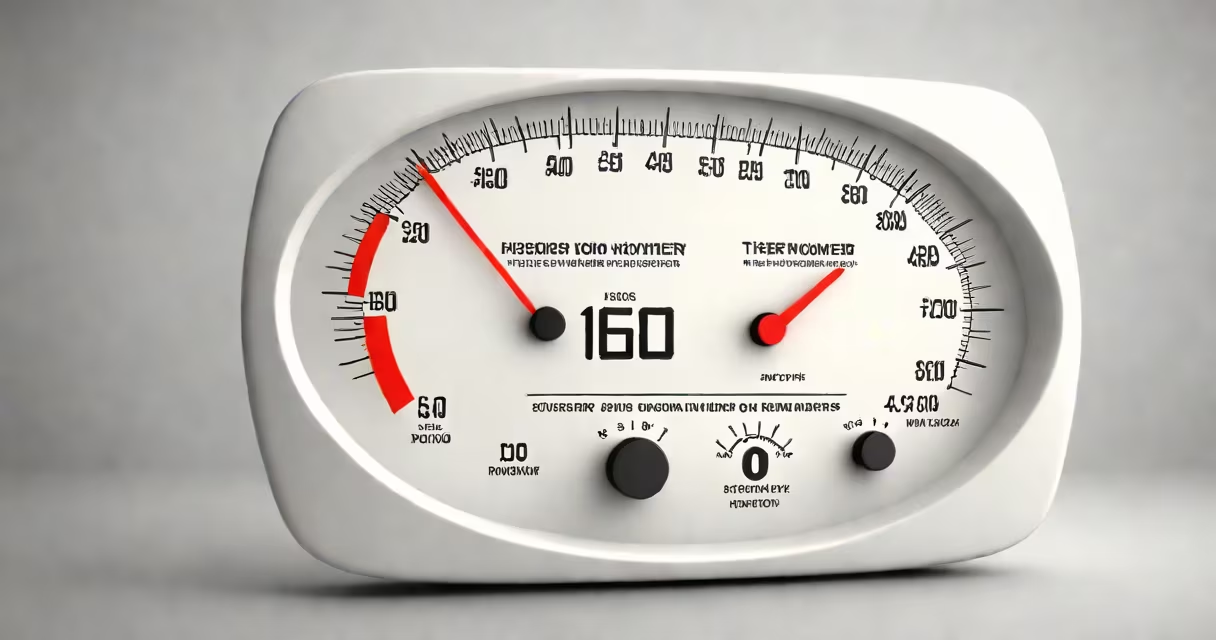
A thermo hygrometer is a single instrument that simultaneously measures ambient temperature and relative humidity. It combines a thermometer and a hygrometer into one unit, providing real-time data on both parameters. These devices are widely used in homes, greenhouses, laboratories, and storage facilities where environmental control is critical.
Modern thermo hygrometers use electronic sensors rather than mechanical components. They typically feature a digital display showing temperature in degrees Celsius or Fahrenheit and humidity as a percentage. Some models include alarms, data logging, and wireless connectivity to smartphones or cloud platforms.
The term "thermo hygrometer" comes from Greek roots: "thermo" meaning heat, and "hygro" meaning moisture. Together, they describe a tool designed to track two core environmental factors. This dual functionality makes it far more efficient than using separate instruments.
Thermo hygrometers rely on two distinct sensing technologies. Temperature is measured using a thermistor-a resistor whose electrical resistance changes predictably with temperature. Humidity is detected via a capacitive sensor, which measures changes in capacitance caused by water vapor absorption in a dielectric material.
When air moisture increases, the dielectric layer absorbs water molecules, altering its ability to store charge. The sensor detects this change and converts it into a relative humidity reading. Both signals are processed by a microcontroller and displayed digitally.
Calibration is essential. Most consumer-grade units are factory-calibrated but can drift over time due to exposure to extreme conditions. Professional models often allow manual recalibration using reference standards. According to the National Institute of Standards and Technology (NIST), even small errors in humidity measurement can affect material stability in archival environments.
Thermo hygrometers come in several forms based on application and precision. The most common categories are portable handheld units, wall-mounted models, and stationary desktop devices.
| Type | Best For | Precision Range | Common Features |
|---|---|---|---|
| Basic handheld | Home use, gardening | ±1°C, ±5% RH | Simple display, battery-powered |
| Wall-mounted | Greenhouses, basements | ±0.5°C, ±3% RH | Alarms, continuous monitoring |
| Lab-grade | Pharmaceuticals, research | ±0.1°C, ±1% RH | Data logging, NIST traceability |
High-end models may include Bluetooth or Wi-Fi for remote access. A few integrate with smart home systems to trigger dehumidifiers or HVAC adjustments automatically. These features are especially useful in climate-sensitive applications like storing vintage wine or preserving historical documents.
One lesser-known fact: many inexpensive thermo hygrometers report humidity inaccurately above 80% relative humidity. A 2021 study published in *Atmospheric Measurement Techniques* found that 68% of low-cost capacitive sensors showed significant positive bias under high-moisture conditions. This error can lead to false readings that mislead users about actual air moisture levels.
Thermo hygrometers are standard equipment in environments where precise control of temperature and humidity is necessary. In residential settings, they help maintain indoor comfort and prevent mold growth. The Environmental Protection Agency (EPA) recommends keeping indoor humidity between 30% and 50% to reduce allergens and damp-related health risks.
In agriculture, greenhouse operators use thermo hygrometers to regulate plant growth. Orchids, for example, thrive at 60-70% humidity and 20-24°C. Without accurate monitoring, growers risk root rot or stunted development. A grower in Oregon reported a 30% increase in yield after switching from a basic analog hygrometer to a calibrated digital thermo hygrometer with alarm functions.
Industries such as pharmaceuticals and food processing require strict environmental controls. The U.S. Food and Drug Administration (FDA) mandates that storage areas for certain medications remain within defined temperature and humidity ranges. Failure to comply can result in product degradation and regulatory penalties.
Many people assume that any device labeled "digital hygrometer" also measures temperature. That's not always true. Some standalone hygrometers only track humidity. Always verify the specifications before purchase.
Another frequent error is placing the device near heat sources or windows. A thermo hygrometer mounted on a radiator or in direct sunlight will give misleading temperature readings. The sensor should be located in a central, shaded area away from drafts or appliances.
Users often overlook calibration. Over time, sensors degrade. Even a well-maintained device can lose accuracy after two years. The American Society for Testing and Materials (ASTM) recommends recalibrating thermo hygrometers annually using a known reference condition, such as a saturated salt solution at 75% RH and 25°C.
I once installed a wall-mounted thermo hygrometer in a basement during a renovation. The initial reading showed 65% humidity and 22°C. After moving the unit to a more central location and allowing it to stabilize for 12 hours, the corrected reading was 58% humidity and 20°C. The difference was enough to change the decision on whether to install a dehumidifier.
Start by identifying your primary use case. For general home monitoring, a basic model with ±1°C and ±5% RH accuracy suffices. For sensitive applications like art conservation or seed storage, invest in a lab-grade device with traceable calibration and data logging.
Look for features like backlighting, auto-switching between °C and °F, and long battery life. If you plan to use the device remotely, ensure it supports wireless transmission and integrates with your preferred app or platform.
Always compare specifications. A device advertised as "highly accurate" may still lack proper certification. Check for compliance with ISO 17025 standards or NIST-traceable calibration reports when purchasing for professional use.
Understanding the function and limitations of a thermo hygrometer ensures better decisions in both personal and professional contexts. overseeing industrial processes, accurate readings matter.