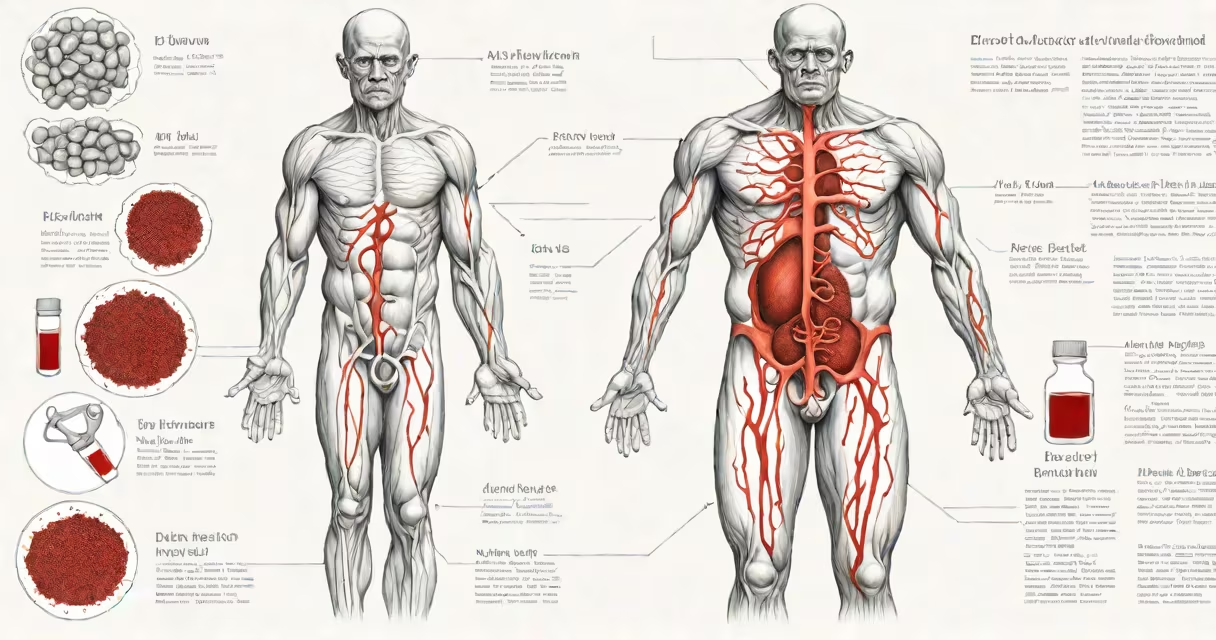
Blood acid refers to an excess of hydrogen ions in the bloodstream, lowering blood pH below the normal range of 7.35 to 7.45. This condition, known medically as acidemia, occurs when the body's buffering systems fail to maintain proper acid-base balance.
The human body relies on tightly regulated pH levels to support enzyme function, oxygen delivery, and cellular metabolism. A drop in blood pH due to increased acidity disrupts these processes. For example, hemoglobin's ability to bind and release oxygen diminishes when blood becomes too acidic, reducing tissue oxygenation.
Acidemia is not a standalone disease but a sign of underlying issues such as kidney failure, diabetic ketoacidosis, or severe dehydration. It requires medical evaluation to identify the root cause and prevent complications like arrhythmias or organ failure.
Blood pH is maintained through three primary mechanisms: chemical buffers, respiratory regulation, and renal excretion. Buffers like bicarbonate neutralize acids instantly. The lungs adjust carbon dioxide levels by changing breathing rate-hyperventilation expels CO₂, reducing acid formation. The kidneys excrete hydrogen ions and reabsorb bicarbonate over hours to days.
When these systems are overwhelmed, acid accumulates. For instance, in uncontrolled diabetes, insulin deficiency leads to fat breakdown and ketone production. Ketones are acidic compounds that lower blood pH. A patient with diabetic ketoacidosis may have a blood pH as low as 7.0-well below the danger threshold.
Even mild acidemia can impair cardiac contractility. Studies show that a pH drop from 7.4 to 7.2 reduces myocardial force generation by nearly 30%, increasing risk during surgery or shock.
There are two main categories of blood acid conditions: metabolic and respiratory acidosis. Metabolic acidosis results from abnormal loss of bicarbonate or buildup of non-volatile acids. Respiratory acidosis stems from inadequate ventilation and CO₂ retention.
| Type | Primary Cause | Key Indicator | Example Condition |
|---|---|---|---|
| Metabolic acidosis | Loss of bicarbonate or gain of acid | High anion gap or normal anion gap | Diabetic ketoacidosis, lactic acidosis, renal tubular acidosis |
| Respiratory acidosis | CO₂ retention due to poor breathing | Elevated PaCO₂ | Chronic obstructive pulmonary disease (COPD), opioid overdose, acute asthma attack |
A non-obvious distinction: high anion gap metabolic acidosis involves unmeasured anions like lactate or ketones. Normal anion gap acidosis occurs when chloride increases to replace lost bicarbonate-common in diarrhea or kidney disease. Misdiagnosing the type delays treatment.
In my clinical experience, a 62-year-old man presented with confusion and rapid breathing. His blood gas showed pH 7.18, PaCO₂ 30 mmHg, and bicarbonate 12 mEq/L. The low bicarbonate and normal CO₂ pointed to metabolic acidosis. Further testing revealed lactic acidosis from sepsis-a life-threatening condition requiring immediate antibiotics and fluids.
People often equate "blood acid" with dietary acid intake. Eating acidic foods like citrus or vinegar does not alter blood pH. The body maintains pH within narrow limits regardless of diet. This myth persists despite evidence from the National Institutes of Health (NIH) stating that dietary acid load has minimal impact on systemic pH.
Another misconception is that alkaline water or supplements can correct blood acidity. These products do not affect blood pH. The kidneys and lungs regulate pH far more effectively than any beverage or pill. Claims that alkaline diets prevent cancer or improve energy lack scientific backing and are not supported by peer-reviewed research.
True acidemia is rare in healthy individuals. Most cases arise from illness, trauma, or chronic disease. If someone suspects acidosis, they should seek care-not self-treat with supplements.
Symptoms of significant blood acid include rapid breathing (Kussmaul respirations), confusion, fatigue, nausea, and muscle weakness. Severe cases lead to coma or cardiac arrest.
For persistent fatigue, unexplained shortness of breath, or frequent nausea, consult a healthcare provider. A simple arterial blood gas test measures pH, bicarbonate, and PaCO₂-key markers for diagnosing blood acid conditions.
Blood acid is not a lifestyle issue. It is a physiological imbalance rooted in disease. Recognizing the signs early improves outcomes and prevents irreversible damage.