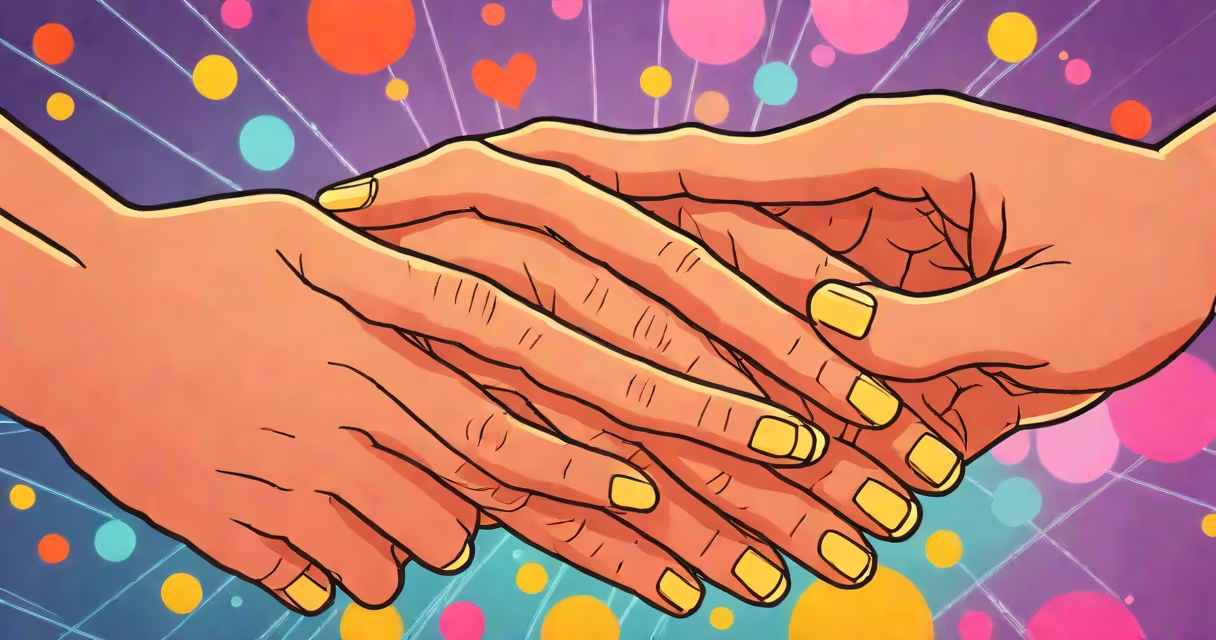
Love feels like a surge of warmth in the chest, a racing heartbeat when you see someone, and a quiet sense of safety when they're near. It's both a biological response and a deeply personal experience shaped by memory, attachment, and shared moments.
Love isn't a single sensation-it's a layered mix of emotions, physical reactions, and mental patterns. It begins with attention: noticing someone's smile, their voice, the way they hold a cup. That attention triggers brain chemicals like dopamine, oxytocin, and norepinephrine. These aren't abstract concepts-they're measurable shifts in neural activity that explain why love can feel electric or calming, depending on context.
For example, a 2017 fMRI study published in *Social Cognitive and Affective Neuroscience* showed that people in early-stage romantic love had heightened activity in brain regions linked to reward and motivation-specifically the ventral tegmental area and caudate nucleus-when viewing photos of their partner. This mirrors the brain's response to addictive substances, explaining why love can feel compulsive.
When you fall in love, your nervous system activates in stages. The first phase-passionate love-is driven by dopamine and norepinephrine. Dopamine spikes create euphoria, focus, and craving. Norepinephrine increases heart rate, reduces appetite, and sharpens attention. You might find yourself thinking about someone constantly, skipping meals, or staying awake just to replay a conversation.
After weeks or months, the brain shifts toward attachment. Oxytocin, released during touch, eye contact, and intimate moments, builds trust and long-term bonding. This phase feels less frantic. It's quieter-like the comfort of lying together in silence, or the ease of sharing a meal without needing to talk.
A 2020 review in *Frontiers in Psychology* confirmed that oxytocin levels rise during prolonged physical contact, such as holding hands or cuddling. This hormone doesn't just promote bonding-it reduces stress hormones like cortisol, which explains why love can feel protective and soothing.
Love isn't one thing. Psychologists distinguish between types based on emotional and neurological drivers:
| Type | Primary Neurochemicals | Common Triggers | Typical Duration |
|---|---|---|---|
| Passionate love | Dopamine, norepinephrine | First meetings, intense attraction, idealization | 3-18 months |
| Companionate love | Oxytocin, vasopressin | Shared routines, mutual support, physical intimacy | Years to decades |
| Platonic love | Serotonin, endorphins | Deep friendship, shared values, long-term trust | Varies |
Passionate love often feels overwhelming. You might cry unexpectedly, lose sleep, or forget to eat. Companionate love feels stable. It's the warmth of a hand on your shoulder during a hard day, or the unspoken understanding when your partner brings you tea without being asked.
One non-obvious fact: love isn't always positive. The same brain systems that drive affection can also generate obsession or anxiety. A 2016 study in *Psychological Science* found that people in love reported higher levels of rumination and intrusive thoughts-even when relationships were healthy. This isn't weakness-it's biology. The brain prioritizes the loved one, sometimes at the cost of peace.
People describe love in different ways depending on culture, gender, and life stage. A teenager might say love feels like "excitement and butterflies." An older adult might say it feels like "home." These differences reflect developmental stages and social learning.
For example, research from the University of Michigan shows that adults raised in secure attachment environments report love as feeling "calm and steady," while those with anxious attachment describe it as "intense and unpredictable." These aren't personality flaws-they're learned responses shaped by early experiences.
I once watched a couple in their 70s sit side by side on a park bench, not speaking. They held hands. One reached over and adjusted the other's scarf. The gesture took two seconds. But the way they looked at each other-soft, familiar, complete-wasn't performance. It was love as quiet presence. That moment wasn't dramatic. It didn't involve fireworks. But it carried the weight of decades.
People often mistake lust, infatuation, or loneliness for love. Lust is desire focused on physical pleasure. Infatuation is intense attraction without deep knowledge of the person. Loneliness can mimic love-especially when someone craves connection but hasn't built trust.
Love differs because it includes care, recognition, and commitment. You don't just want someone-you want their well-being. You notice their habits, remember their fears, and show up when they're hurting. That's not just chemistry-it's choice.
For instance, someone might feel a rush of excitement when their crush walks into a room. That's dopamine. But if they stay to talk, listen, and later check in on the person's day, that's love building. The difference lies in action, not just sensation.
"what is love feel like" defies a single answer. It's not just a feeling-it's a practice. It's choosing to stay, to listen, to grow. It's the quiet certainty that someone matters-not because they're perfect, but because they're real.