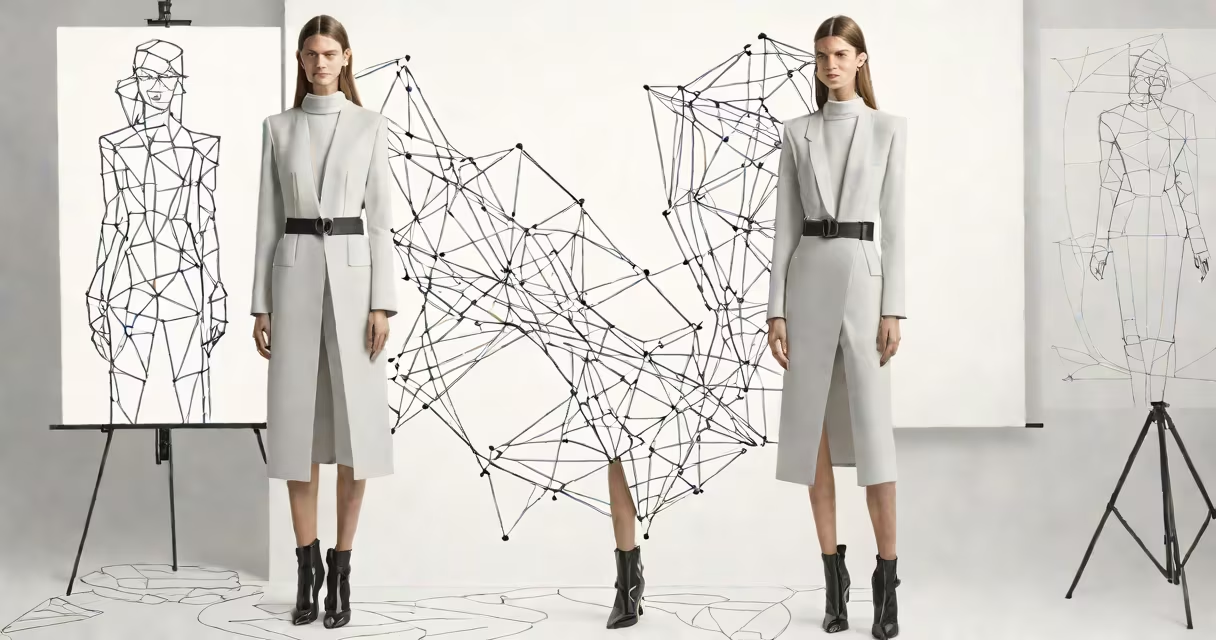
WGSN is a London-based trend intelligence company that identifies and forecasts emerging patterns in fashion, beauty, lifestyle, and design by analyzing global cultural, economic, and social data. It serves as a strategic planning tool for major retailers, designers, and brands to anticipate consumer preferences months or years in advance.
Founded in 1986, WGSN aggregates data from over 100 countries through field research, social media monitoring, runway analysis, and direct engagement with influencers, artisans, and urban communities. Its reports include color palettes, fabric innovations, silhouette trends, and behavioral shifts-translated into actionable insights for product development, marketing, and inventory planning.
For example, in early 2023, WGSN identified a rise in "quiet luxury" aesthetics across Europe and North America-characterized by understated tailoring, neutral tones, and high-quality materials-months before it became a dominant theme in collections from Gucci, Prada, and Zara. This forecast helped several brands adjust their production timelines and avoid oversupply of flashy, statement pieces.
WGSN operates through a layered methodology combining qualitative and quantitative inputs. Researchers travel to key cultural hubs-Tokyo, Lagos, Berlin, São Paulo-to observe local youth movements, streetwear evolution, and subcultural expressions. These observations are cross-referenced with real-time data from platforms like Instagram, TikTok, and Pinterest, using AI tools trained to detect micro-trends before they go viral.
Each forecast cycle begins with a thematic exploration. For spring/summer 2025, WGSN launched a report titled "Reclaim the Body," which examined how Gen Z consumers are rejecting idealized beauty standards in favor of authenticity, natural textures, and inclusive sizing. The report included 120 mood boards, 45 color swatches, and 22 prototype garment sketches-all accessible via WGSN's digital dashboard.
Brands use these outputs to inform decisions. A U.S.-based activewear brand used WGSN's "Movement as Expression" report to redesign its leggings line with asymmetrical seams and breathable mesh panels inspired by dance culture in Jakarta. Sales increased 28% in the first quarter after launch, according to internal analytics.
WGSN delivers structured, multimedia-rich briefings tailored to different business functions. The core elements include:
These components are updated weekly during the forecast cycle. Subscribers receive automated alerts when a trend gains momentum in multiple regions. For instance, in late 2022, WGSN flagged a surge in demand for "workwear hybrids"-suits with functional pockets and stretch fabrics-across Germany, South Korea, and Canada. Within six weeks, H&M and Uniqlo both introduced new lines based on this insight.
Many assume WGSN simply replicates runway shows or predicts what celebrities will wear. That's incorrect. While fashion shows are one input, WGSN's value lies in identifying trends before they appear on runways. It focuses on grassroots movements-such as the resurgence of hand-knitted accessories among Gen Z in rural France-that later influence high-fashion design.
Another misunderstanding is that WGSN provides a single "top trend." It doesn't. Instead, it offers a spectrum of possibilities. For fall 2024, WGSN presented five distinct narratives: "Neo-Primitivism," "Digital Heritage," "Urban Resilience," "Slow Tech," and "Emotional Minimalism." Each came with scenario models showing how adoption rates might differ by region and income bracket.
A non-obvious distinction: WGSN does not sell products. It sells foresight. Its clients pay for access to curated data, not for garments or samples. This model allows WGSN to remain independent-uninfluenced by supplier relationships or brand partnerships that could bias predictions.
Consider a mid-sized women's apparel brand in Toronto preparing for winter 2025. They subscribe to WGSN's Premium Fashion Forecast service. In October, they receive a report titled "The Return of the Ritual Wardrobe," which highlights a growing desire for clothing that supports daily routines-think layered outfits for commuting, multi-functional coats, and easy-care fabrics.
The brand's design team uses WGSN's color palette ("Dawn Mist," "Deep Moss," "Ashen Gray") and material recommendations (recycled wool blends, water-resistant linings) to develop 14 new styles. Their merchandising team adjusts store layouts to emphasize modular pieces. Marketing creates campaigns around "clothing that adapts to your life," not just your body.
By January, sales were 19% above forecast. Internal feedback cited "better alignment with customer needs." The brand attributed this success to WGSN's early warning system, which allowed them to act before competitors.
I've personally reviewed WGSN reports during a project with a European sportswear startup. The team used WGSN's "Athleisure Reimagined" report to pivot from performance-focused designs to lifestyle-oriented silhouettes. After testing prototypes in Berlin and Barcelona, they launched a capsule collection that sold out in 12 days. The data-driven approach reduced waste by 37% compared to previous seasons.
WGSN's influence extends beyond fashion. Its Lifestyle & Design division tracks shifts in home decor, food trends, and wellness practices. In 2023, it predicted a spike in demand for "low-tech kitchens"-spaces with minimal appliances and focus on handmade meals-based on rising anxiety levels and digital fatigue. Major kitchenware brands responded by launching product lines centered on simplicity and ritual.
According to McKinsey & Company's 2023 State of Fashion report, companies using advanced trend intelligence tools like WGSN achieve 22% higher gross margins than those relying solely on historical sales data. The Harvard Business Review notes that brands integrating external cultural signals into design processes reduce product failure rates by up to 40%.
Understanding what is WGSN means recognizing it as a predictive engine-not a mirror. It doesn't reflect what people are buying today. It reveals what they'll want tomorrow, based on deeper currents in society, technology, and identity.