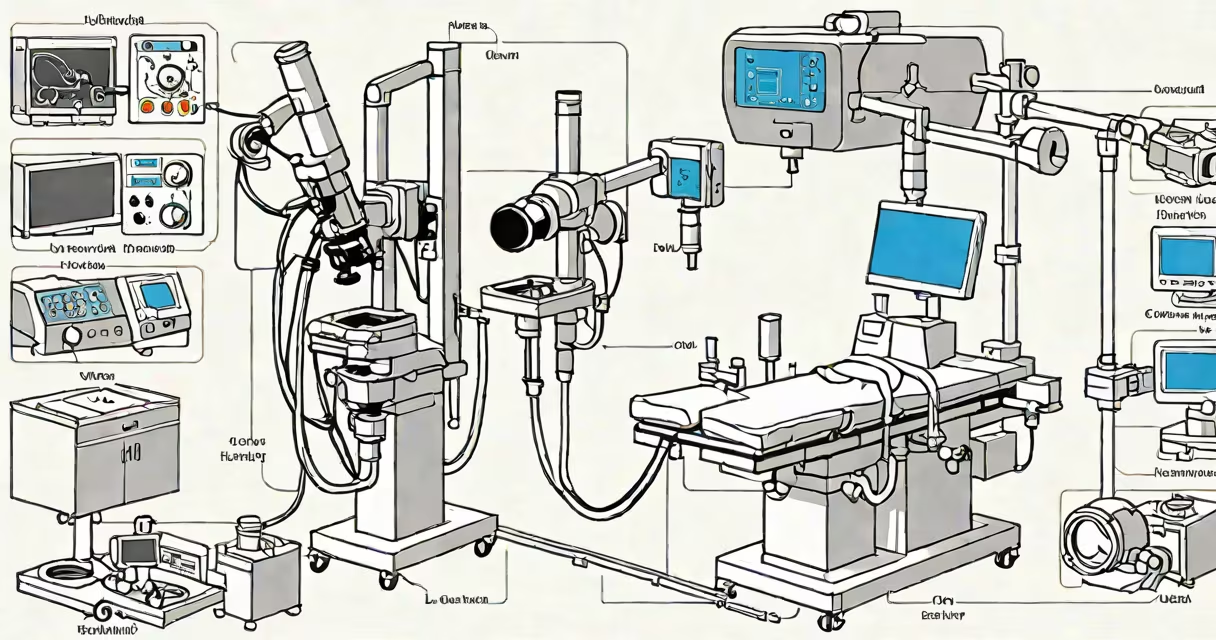
Endoscopy is a medical procedure that uses a thin, flexible tube with a light and camera to examine the interior of hollow organs or body cavities, such as the digestive tract, respiratory system, or urinary bladder. It allows doctors to visualize internal structures in real time, take tissue samples, and perform minor treatments without major surgery.
The term comes from Greek roots: "endo" meaning inside, and "skopein" meaning to look. Modern endoscopy combines optical imaging, fiber optics, and digital video processing to deliver high-resolution views of internal surfaces. It's used in both diagnosis and treatment across multiple specialties, including gastroenterology, pulmonology, urology, and gynecology.
A physician inserts a flexible endoscope through a natural opening-such as the mouth, anus, or urethra-or through a small incision. The device contains a lens at the tip, a light source, and channels for tools like biopsy forceps or suction tubes. As the scope moves through the body, images transmit to a monitor in real time.
For example, during a colonoscopy, the endoscope travels through the rectum into the large intestine. The doctor checks for polyps, inflammation, or abnormal growths. If a suspicious lesion appears, the doctor can remove it immediately using tools passed through the scope's working channel. This reduces the need for follow-up surgeries.
Modern endoscopes use high-definition video and narrow-band imaging (NBI), which enhances blood vessel visibility. This improves detection of early-stage cancers-especially in the esophagus and colon-where traditional methods may miss subtle changes.
Endoscopy varies by body area and purpose. Common types include:
| Type | Body Area Examined | Common Uses | Procedure Duration |
|---|---|---|---|
| Gastroscopy | Esophagus, stomach, duodenum | Detect ulcers, H. pylori infection, Barrett's esophagus, early gastric cancer | 10-20 minutes |
| Colonoscopy | Large intestine (colon) | Screen for colorectal cancer, remove polyps, evaluate chronic diarrhea | 30-60 minutes |
| Flexible Sigmoidoscopy | Lower colon and rectum | Initial screening for polyps and cancer in the distal colon | 10-15 minutes |
| Bronchoscopy | Lungs and airways | Diagnose lung infections, tumors, or airway obstructions | 20-45 minutes |
| Cystoscopy | Bladder and urethra | Evaluate hematuria, recurrent UTIs, bladder tumors | 15-30 minutes |
Each procedure requires specific preparation. For colonoscopy, patients must clear the bowel with laxatives 24 hours prior. Gastroscopy typically requires fasting for six hours before the test. Sedation is common in upper GI procedures but not always needed for lower endoscopy.
Endoscopy is central to early disease detection. According to the American Cancer Society, regular colonoscopy reduces colorectal cancer deaths by up to 60% by removing precancerous polyps before they progress. The U.S. Preventive Services Task Force recommends screening starting at age 45 for average-risk individuals.
One non-obvious fact: many endoscopic procedures are performed under conscious sedation, not general anesthesia. This lowers risks and recovery time. A 2022 study in *Gastroenterology* found that 87% of patients undergoing colonoscopy reported minimal discomfort when sedated with propofol, compared to 53% without sedation.
Endoscopy also enables therapeutic intervention. During a gastroscopy, a doctor can stop bleeding from an ulcer by injecting medication or applying clips. In cases of esophageal varices, band ligation can prevent life-threatening hemorrhage.
People often confuse endoscopy with imaging scans like CT or MRI. Unlike those, endoscopy provides direct visual access and allows for biopsies. A CT scan shows structure but cannot confirm inflammation or early cancer without tissue sampling.
Another misconception: endoscopy is painful. Most patients report mild discomfort, not pain. The sensation is similar to a strong burp or pressure during insertion. Recovery is quick-most return to normal activities within 24 hours.
I've observed this firsthand during a rotation at a community hospital. A 62-year-old man scheduled for a colonoscopy was anxious about the procedure. After sedation, he slept through the entire exam. The doctor found and removed a 6mm adenomatous polyp-pre-cancerous but treatable. The patient later said he felt "relieved, not scared."
Endoscopy is not a one-size-fits-all tool. Its effectiveness depends on operator skill, equipment quality, and patient preparation. Poor bowel prep reduces polyp detection rates by up to 30%, according to a 2021 study in *The Lancet Gastroenterology & Hepatology*.
Endoscopy carries low but real risks: perforation (rare, ~1 in 1,000), bleeding, or adverse reactions to sedatives. Patients with severe heart failure, unstable angina, or recent stroke may be advised against certain endoscopic procedures due to increased cardiovascular stress.
Some patients avoid endoscopy due to fear or misinformation. However, guidelines from the American Society for Gastrointestinal Endoscopy emphasize that benefits outweigh risks when indicated. For example, screening colonoscopy saves approximately 100,000 lives annually in the U.S., per CDC estimates.
If you're considering an endoscopy, discuss risks, alternatives, and timing with your provider. Ask about sedation options and whether you'll need someone to drive you home afterward.