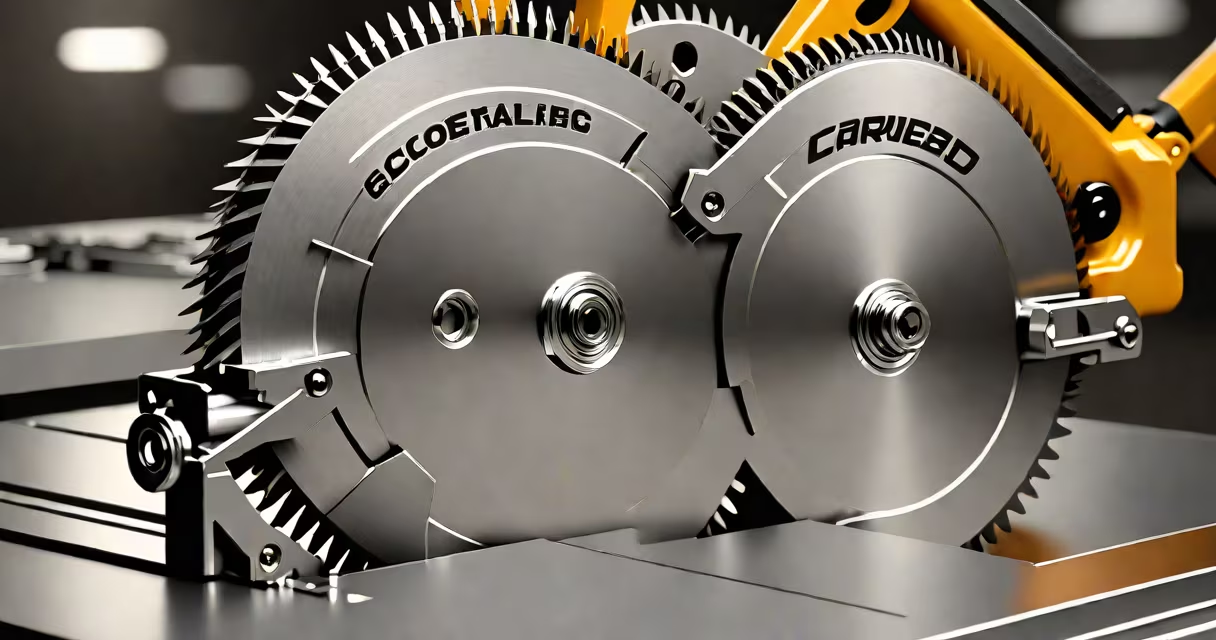
To cut aluminum, use a fine-toothed circular saw blade, a reciprocating saw with a metal-cutting blade, or a handheld hacksaw with a high-teeth-per-inch (TPI) blade. For thin sheets, aviation snips or manual aluminum shears work well. Choose tools designed for non-ferrous metals to avoid overheating, chipping, or dulling blades.
Aluminum is soft compared to steel but highly reactive. It deforms easily under pressure and can gall-where material sticks to the cutting edge-causing poor cuts and rapid tool wear. Standard woodworking blades melt or clog quickly when used on aluminum. A blade must have a high tooth count, a positive rake angle, and heat-resistant coating to perform reliably.
For thicknesses under 1/8 inch (3 mm), hand tools like aviation snips or manual aluminum shears deliver clean, accurate cuts without vibration or heat buildup. These tools are ideal for HVAC ductwork, flashing, or custom brackets. For thicker stock-up to 1 inch (25 mm)-power tools are necessary. A circular saw with a carbide-tipped blade rated for metal cuts cleanly through aluminum without excessive friction.
| Material Thickness | Recommended Tool | Blade Type | Key Feature |
|---|---|---|---|
| Under 1/8 in (≤3 mm) | Aviation snips or aluminum shears | Manual shear blades | Zero heat, no vibration |
| 1/8 to 1/4 in (3-6 mm) | Circular saw or jigsaw | Carbide-tipped, 24-32 TPI | Heat-resistant coating |
| 1/4 to 1 in (6-25 mm) | Reciprocating saw or band saw | Metal-cutting blade, 14-18 TPI | Positive rake angle |
| Over 1 in (>25 mm) | Bandsaw or CNC router | High-speed steel or carbide | Variable speed control |
When using a circular saw, set the blade depth slightly above the material thickness. This reduces drag and prevents binding. Always use a backing board to prevent tear-out on the underside. A lubricant such as vegetable oil or light machine oil applied to the blade's teeth can reduce friction and extend blade life. Some users apply a light coat of wax to the cut surface to reduce galling during the cut.
A common mistake is using a standard wood-cutting blade on aluminum. These blades have low TPI (teeth per inch), typically 10-14, which causes the aluminum to jam between teeth. The result is a rough, uneven cut and rapid blade degradation. According to the American Society of Mechanical Engineers (ASME), metal-cutting blades require a minimum of 18 TPI for aluminum to maintain consistent chip removal and prevent heat accumulation.
Another error is operating power tools at maximum RPM without adjusting for material hardness. Aluminum's low melting point (660°C) means friction can generate enough heat to soften the metal around the cut, leading to tearing or deformation. Reducing the feed rate and using variable-speed tools helps maintain control. For example, a 7-inch circular saw running at 3,000 RPM cuts aluminum effectively when the feed rate is kept below 10 inches per minute.
I once cut a 6-foot aluminum panel for a solar mounting frame using a portable circular saw. I used a 36 TPI carbide-tipped blade, set the depth to 1/4 inch, and applied a few drops of cooking oil to the blade's teeth. The cut was smooth, with no burrs. Without the oil, the blade heated up within 30 seconds and began to chatter. After switching to a blade with a higher positive rake angle, the cut improved. This experience confirmed that blade selection and lubrication are critical, not optional.
Some confuse aluminum shears with tin snips. While both look similar, tin snips are designed for softer materials like thin steel or copper. Aluminum shears have reinforced blades and angled handles that provide greater use. Using tin snips on aluminum leads to bent edges and broken blades. Always verify the tool's intended material rating before use.
For precision work, such as cutting aluminum tubing or extrusions, a rotary tool with a diamond-coated cutoff wheel offers accuracy. These wheels spin at high speeds and remove material in thin layers. They're ideal for tight spaces or curved cuts. However, they produce dust and require eye protection and ventilation.
When choosing a blade, look for "metal-cutting" or "non-ferrous" labeling. Avoid generic "all-metal" blades unless they specify compatibility with aluminum. Brands like Freud, Diablo, and Bosch offer models specifically engineered for aluminum with optimized tooth geometry and heat resistance. A 10-inch circular saw blade with 36 TPI and a titanium nitride coating lasts up to 50% longer than standard blades when cutting aluminum.
Always secure the material with clamps or a vise. Unstable workpieces cause wobbling, leading to inaccurate cuts and safety risks. Use a straightedge guide for long, straight cuts. Measure twice, cut once-especially when working with expensive aluminum alloys like 6061-T6.
For complex shapes or repetitive cuts, consider a CNC plasma cutter or laser cutter. These machines cut with extreme precision and minimal heat-affected zones. However, they require setup time and access to industrial equipment. For most DIY and small workshop tasks, a combination of proper blade choice and controlled feed rate delivers excellent results.
Understanding what to use to cut aluminum begins with assessing thickness, desired finish, and available tools. Match the tool to the material, not the other way around. Whether using hand tools or power equipment, prioritize blades designed for non-ferrous metals to ensure clean, safe, and efficient cuts.