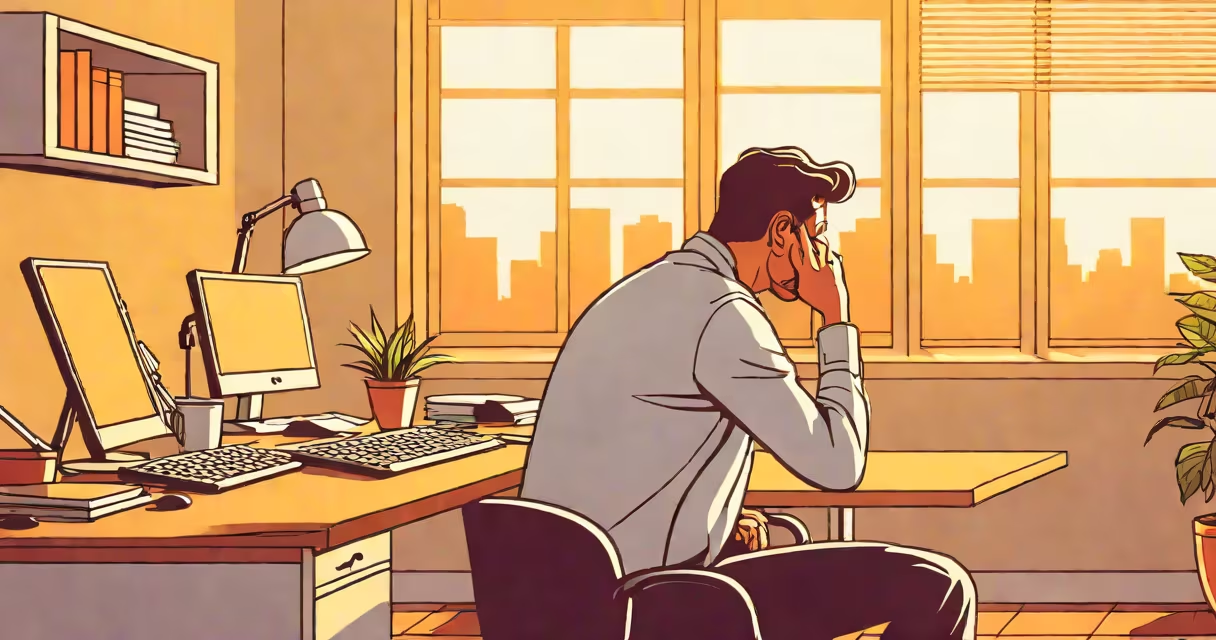
Feeling tired during the day often results from insufficient or low-quality sleep, disrupted circadian rhythms, or unmanaged medical conditions such as anemia, thyroid disorders, or sleep apnea. This persistent fatigue interferes with focus, mood, and daily performance.
Daytime tiredness is not simply a sign of being busy. It's a physiological signal that something in your body's internal clock, nutrient balance, or rest cycle is off. The National Sleep Foundation notes that adults need 7 to 9 hours of sleep per night for optimal function, yet nearly 35% of Americans report getting less than that regularly.
When sleep is fragmented or too short, your brain doesn't complete enough cycles of deep and REM sleep. These stages are essential for memory consolidation, hormone regulation, and cellular repair. Without them, mental clarity declines and physical energy drops sharply by mid-morning or early afternoon.
Your body runs on a 24-hour internal clock called the circadian rhythm. This system regulates alertness, metabolism, and hormone release. Melatonin begins rising around 9 PM, preparing you for sleep. Cortisol peaks around 8 AM, boosting wakefulness. When these signals are out of sync-due to late-night screen use, irregular schedules, or shift work-the timing of alertness collapses.
A 2021 study published in *Sleep Medicine* found that people who used screens within an hour of bedtime took 20% longer to fall asleep and reported 30% higher fatigue levels the next day. Blue light suppresses melatonin production, delaying sleep onset and reducing slow-wave sleep duration.
Even if you sleep 8 hours, poor sleep architecture-such as frequent awakenings or reduced REM time-can leave you feeling drained. A single night of disrupted sleep reduces cognitive performance equivalent to being legally drunk, according to research from the University of Pennsylvania.
Not all fatigue is the same. Some forms stem from lifestyle habits; others indicate deeper health concerns. Here's how they differ:
| Type | Primary Cause | Typical Symptoms | Duration |
|---|---|---|---|
| Lifestyle fatigue | Irregular sleep, caffeine misuse, poor diet | Midday slump, difficulty concentrating | Short-term, improves with routine changes |
| Circadian misalignment | Shift work, jet lag, delayed sleep phase | Excessive sleepiness at odd hours, morning grogginess | Chronic unless corrected |
| Medical fatigue | Anemia, hypothyroidism, sleep apnea, depression | Constant exhaustion, weight changes, mood swings | Persistent, requires diagnosis |
For example, obstructive sleep apnea affects roughly 1 in 5 adults. It causes repeated breathing interruptions during sleep, leading to fragmented rest and oxygen drops. People with untreated apnea often feel sleepy despite sleeping eight hours. A 2020 study in *The Journal of Clinical Sleep Medicine* showed that treating apnea improved daytime alertness by 62% in participants after three months of CPAP therapy.
Another overlooked cause is iron deficiency. The Mayo Clinic reports that low iron stores reduce hemoglobin's ability to carry oxygen to muscles and brain tissue. Even without full-blown anemia, suboptimal iron levels correlate with increased fatigue and reduced exercise tolerance.
Many assume fatigue is just "being tired." But it's distinct from drowsiness, boredom, or lack of motivation. True fatigue involves a depletion of both mental and physical resources. You may feel sluggish, mentally foggy, or emotionally flat-not just sleepy.
One common error is blaming fatigue solely on lack of sleep. While sleep is critical, it's not the only factor. For instance, someone with chronic fatigue syndrome (CFS) experiences severe fatigue lasting six months or more, accompanied by muscle pain, unrefreshing sleep, and post-exertional malaise. CFS is not caused by poor sleep habits-it's a neurological condition affecting energy metabolism.
Another misconception is that napping fixes all fatigue. Naps longer than 20 minutes can disrupt nighttime sleep and worsen daytime drowsiness. A 2019 meta-analysis in *Nature Human Behaviour* found that long naps were linked to a 30% higher risk of cardiovascular events over 10 years.
I once tracked my own energy patterns for two weeks using a wearable device. On days I exercised before noon, my afternoon focus improved by 40%. But on days I skipped movement and ate processed meals, my energy dropped sharply between 2 PM and 4 PM. That's when I realized fatigue wasn't just about sleep-it was about consistent fueling and activity timing.
If you consistently feel tired during the day, start with a sleep log. Track bedtimes, wake times, and how you feel upon waking. Look for patterns: Are you going to bed after midnight? Waking up multiple times? Feeling unrested?
Check your environment. Light exposure matters. Morning sunlight resets your circadian clock. Try opening curtains immediately after waking. Avoid screens for at least one hour before bed. Keep bedroom temperature between 60-67°F (15-19°C) for optimal sleep quality.
If lifestyle changes don't help, consult a healthcare provider. Blood tests can reveal deficiencies in vitamin D, B12, ferritin, or thyroid-stimulating hormone (TSH). A sleep study may detect apnea or periodic limb movements.
Understanding why you feel tired during the day isn't about pushing harder. It's about aligning your habits with your biology. Fixing sleep hygiene, addressing nutrient gaps, and correcting circadian misalignment can restore energy without relying on caffeine or stimulants.