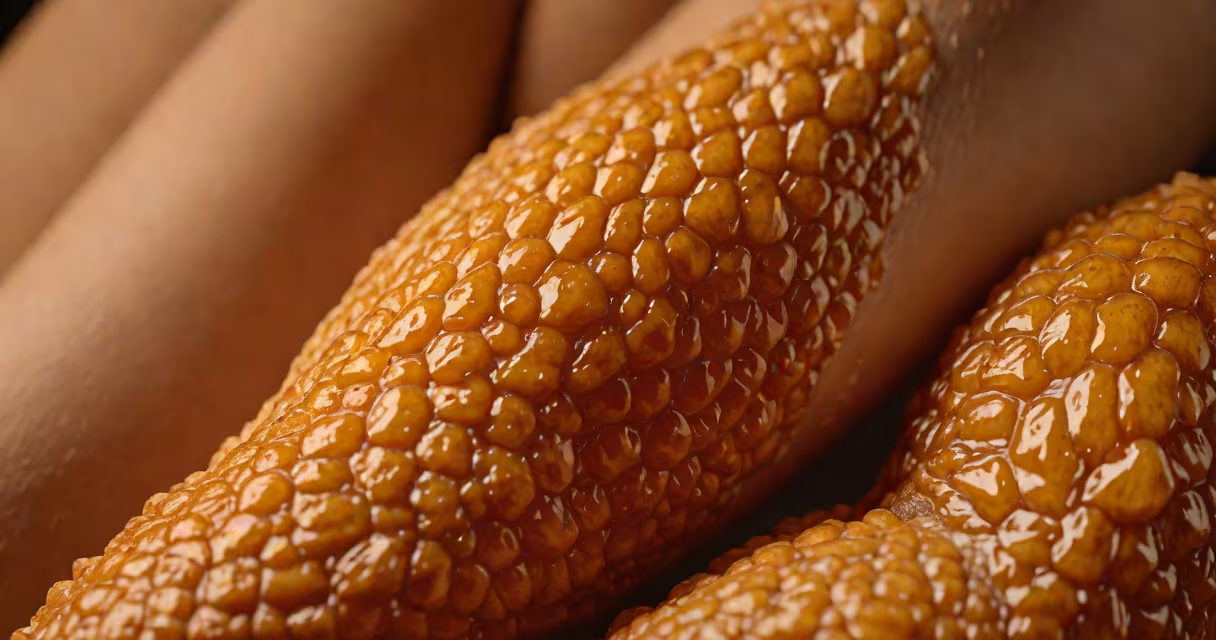
Keratosis pilaris is a harmless, common skin condition that causes small, rough, flesh-colored or red bumps on the skin, most often on the upper arms, thighs, and buttocks. These bumps resemble gooseflesh or chicken skin, especially when the skin is stretched.
The condition results from an overproduction of keratin, a protein that protects the skin from infection and injury. Excess keratin forms a plug that blocks the opening of hair follicles, trapping hairs beneath the surface. This leads to the formation of tiny, hard bumps that feel like sandpaper under the fingers.
While keratosis pilaris is not contagious or dangerous, it can cause cosmetic concern. It affects approximately 40% of adults and up to 80% of adolescents, according to the American Academy of Dermatology Association (AAD).
Keratosis pilaris occurs when keratin accumulates around hair follicles and hardens into a plug. This process is influenced by genetics, hormonal changes, and dry skin conditions. The plugs prevent hair shafts from emerging normally, leading to visible bumps.
When the skin is stretched-such as when lifting the arm or bending the knee-the bumps become more apparent. They may appear pale, red, or brown depending on skin tone and inflammation levels. In darker skin tones, the bumps can leave behind post-inflammatory hyperpigmentation, which fades slowly over time.
A 2021 study published in *Dermatologic Clinics* noted that keratosis pilaris often worsens in cold, dry weather and improves during humid summer months. This seasonal variation underscores the role of environmental factors in symptom severity.
People often mistake keratosis pilaris for acne, eczema, or folliculitis. However, unlike acne, which involves clogged pores with pus or blackheads, keratosis pilaris lacks inflammatory lesions and does not produce pus. Unlike eczema, it rarely causes intense itching or oozing.
Some confuse it with pityriasis versicolor, a fungal rash that causes discolored patches. But pityriasis versicolor typically appears as scaly, tan or pink patches on the chest or back-not bumpy, textured areas on the limbs.
One key difference: keratosis pilaris is symmetrical. Bumps usually appear on both legs, both arms, and both cheeks. If only one side is affected, other conditions such as contact dermatitis or lichen planus should be considered.
There are three main presentations of keratosis pilaris:
| Type | Appearance | Common Location | Typical Age Onset |
|---|---|---|---|
| Classic (most common) | Flesh-colored or slightly red, small bumps | Upper arms, thighs, buttocks | Childhood to early adulthood |
| Atrophoderma vermiculata | More pronounced, waxy, or depressed areas | Thighs, lower back | Adolescence to adulthood |
| Hyperkeratotic | Dense, thickened patches with prominent scaling | Extremities, especially knees and elbows | Adult onset, often linked to chronic dryness |
Classic keratosis pilaris is the most frequently seen form. It often begins in childhood and may improve with age, though some people continue to experience symptoms into their 40s.
There is no cure for keratosis pilaris, but several strategies reduce visibility and discomfort. Moisturizing daily with products containing lactic acid, urea, or salicylic acid helps loosen dead skin cells and soften the plugs.
Over-the-counter treatments like CeraVe Moisturizing Cream (which contains 10% lactic acid) have shown effectiveness in reducing bump appearance in clinical trials. A 2019 study in *Journal of Clinical and Aesthetic Dermatology* reported that 68% of participants using lactic acid cream twice daily saw noticeable improvement after four weeks.
I once applied a 10% urea cream to my own legs after noticing persistent bumps. After two weeks of consistent use, the texture smoothed. The skin felt softer, and the visual impact dropped from "chicken skin" to barely perceptible roughness.
Most cases don't require medical treatment. However, consult a dermatologist if the bumps spread rapidly, become painful, bleed, or develop pus. These signs suggest a secondary infection or a different disorder, such as follicular dysplasia or Darier's disease.
If over-the-counter remedies fail after eight weeks, prescription-strength topical retinoids (like tretinoin) may be recommended. These medications increase cell turnover and prevent new plugs from forming. They are not safe during pregnancy and require careful use to avoid irritation.
Many assume keratosis pilaris is caused by poor hygiene. This is false. The condition stems from genetic predisposition and abnormal keratin production-not dirt or lack of cleaning.
Another myth is that it can be permanently cured with diet changes. While hydration and omega-3 intake support skin health, they do not alter the underlying keratinocyte dysfunction responsible for the condition.
Some believe laser treatments remove bumps entirely. While certain lasers can reduce redness and improve texture, they do not eliminate the root cause. Results are temporary and require maintenance sessions.
If your skin resembles chicken skin but doesn't respond to standard care, consider these differential diagnoses:
Why do my legs look like chicken skin? The answer lies in keratosis pilaris-a benign, genetic condition where excess keratin blocks hair follicles. It affects millions worldwide and responds well to consistent moisturizing and exfoliation. While it cannot be eliminated entirely, visible improvements are achievable with targeted care.