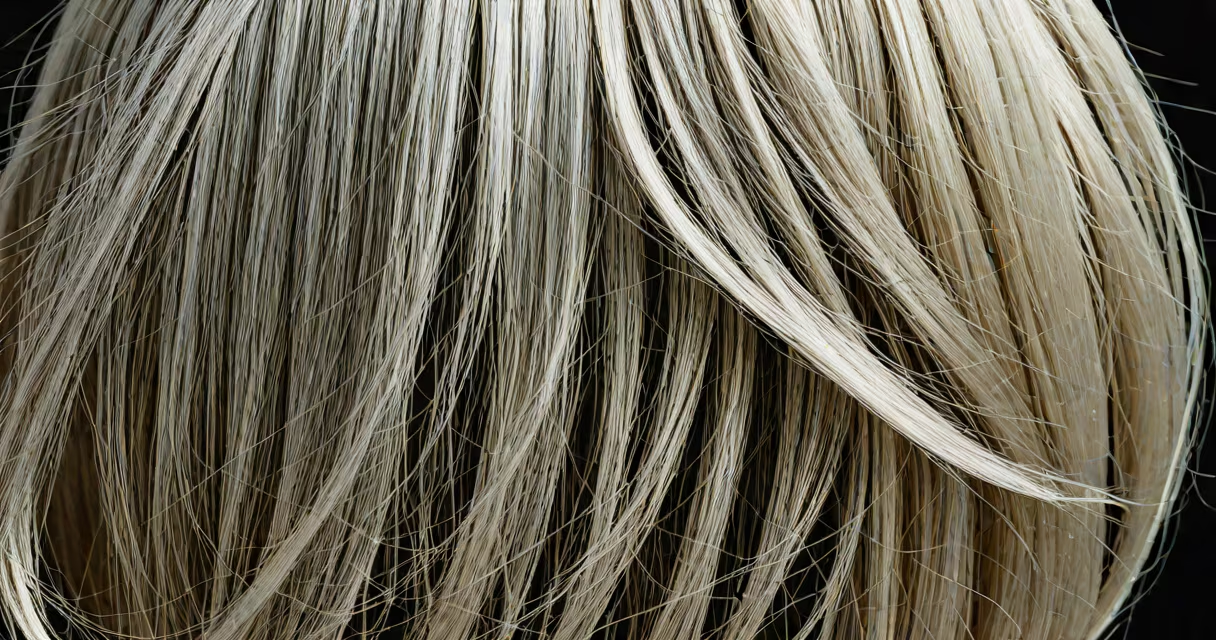
White hair results from a loss of melanin, the pigment responsible for hair color, due to aging, genetics, or underlying health conditions. Melanocytes in hair follicles stop producing pigment, leading to hair that appears gray or white.
Human hair gets its color from melanin, a pigment produced by specialized cells called melanocytes. As people age, these cells gradually lose function. When melanin production drops below detectable levels, hair turns gray and eventually white. This process typically begins in the late 20s or early 30s for many individuals, though timing varies widely.
Genetics play a major role. A 2016 study published in *Nature Communications* found that variants in the IRF4 gene are strongly linked to early graying. People with a family history of premature graying often start losing pigment earlier than average. For example, if both parents grayed before age 30, their children have a 70% chance of doing the same.
Hair grows from follicles beneath the scalp. Inside each follicle, melanocytes transfer melanin into developing hair shafts. The amount and type of melanin determine whether hair appears black, brown, red, or blond. As melanocytes age or become damaged, they produce less melanin until none remains.
Gray hair is not actually gray-it's a mix of unpigmented (white) and pigmented hairs. Over time, more hairs lose pigment, making the appearance whiter. True white hair contains no melanin at all. This change happens gradually, not overnight.
A 2021 study in *Pigment Cell & Melanoma Research* showed that oxidative stress damages melanocyte stem cells in mouse models. When these stem cells fail to regenerate, pigment production stops permanently. This mechanism may explain why some people develop white hair suddenly after severe illness or emotional trauma.
Premature graying-defined as white hair before age 30-is often genetic. However, several medical and environmental factors can accelerate the process.
| Factor | How It Affects Pigmentation | Example |
|---|---|---|
| Genetics | Inherited mutations reduce melanocyte longevity | Family member with early graying |
| Autoimmune disorders | Immune system attacks melanocytes | Albinism, vitiligo |
| Thyroid dysfunction | Imbalanced hormones disrupt pigment cells | Untreated hypothyroidism |
| Stress | Chronic stress triggers oxidative damage | Post-traumatic graying in military personnel |
Autoimmune diseases such as vitiligo can cause patchy loss of skin and hair color. In vitiligo, the immune system targets melanocytes, leading to white patches on the scalp and body. According to the National Institutes of Health (NIH), about 10% of vitiligo patients report sudden onset of white hair.
Thyroid imbalances also affect pigmentation. Hyperthyroidism increases metabolic rate, which may speed up melanocyte aging. A 2019 study in *Endocrine Connections* found that 15% of patients with untreated thyroid disease experienced accelerated graying.
Stress-induced graying is supported by animal research. A 2020 study at Harvard Medical School observed that mice under chronic stress lost pigment in their fur within days. The researchers linked this to the release of norepinephrine, which depletes melanocyte stem cells. While human studies are limited, anecdotal reports of rapid graying after traumatic events are common.
White hair is not caused by frequent washing, using certain shampoos, or poor diet alone. While nutrition plays a supporting role, deficiencies in vitamin B12, copper, or iron don't directly cause graying. They may worsen existing issues but aren't primary triggers.
Some believe that pulling out a white hair causes more to grow. This is false. Each hair follicle operates independently. Pulling one hair won't affect neighboring follicles. The myth likely stems from the visual effect of seeing multiple white hairs emerge together during aging.
Another misconception is that white hair is stronger. In reality, gray and white hair tend to be drier and more brittle due to reduced lipid content in the hair shaft. A 2018 study in *Journal of Cosmetic Dermatology* found that white hair has 30% lower moisture retention than pigmented hair.
Sudden or widespread graying before age 30 warrants evaluation. It may signal an underlying condition such as pernicious anemia, Addison's disease, or autoimmune disorders. A blood test can screen for vitamin B12 deficiency, thyroid markers, and autoimmune antibodies.
I once observed a 27-year-old patient who developed extensive white hair after recovering from a severe viral infection. Blood work revealed low B12 levels and elevated thyroid-stimulating hormone (TSH). After treatment, hair color stabilized, though no pigment returned. This case highlights that while graying may be reversible in rare cases, it's usually permanent once melanocytes cease functioning.
If you're concerned about your hair color changes, consult a dermatologist or endocrinologist. They can assess for systemic causes and rule out treatable conditions. Early diagnosis improves outcomes, especially if an autoimmune or hormonal issue is involved.
Understanding why your hair is turning white begins with recognizing that it's a natural biological process-but not always inevitable. Genetics set the baseline, but lifestyle and health can influence timing. Knowing the difference between normal aging and abnormal change helps you respond appropriately.