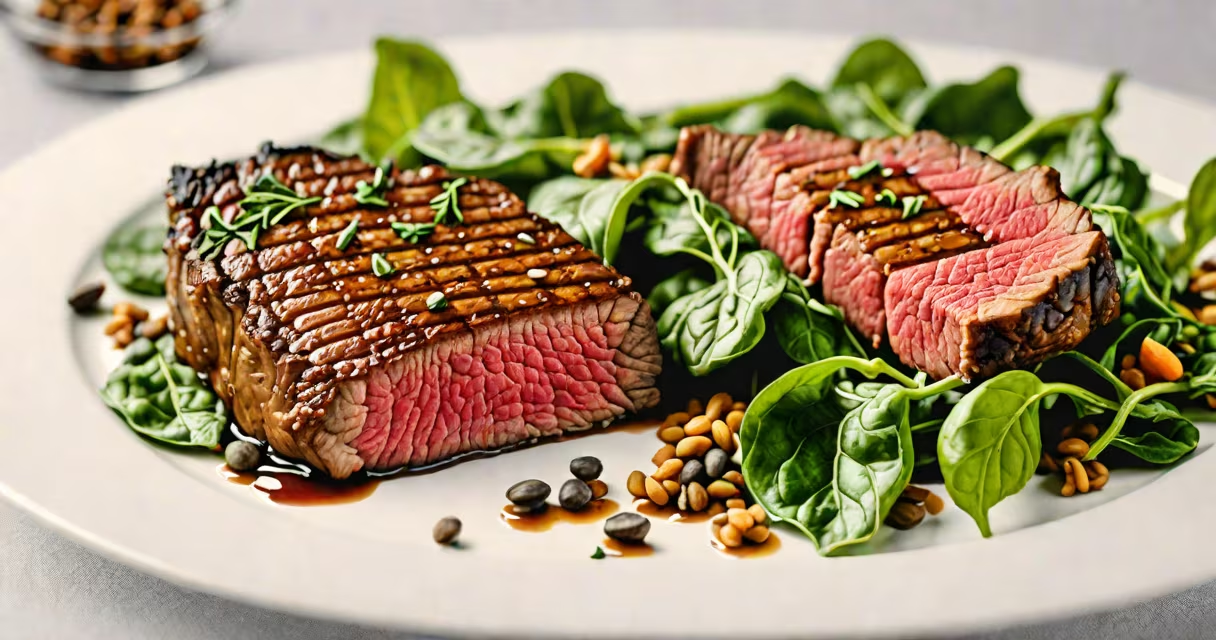
The best source of iron is heme iron, found primarily in animal tissues such as red meat, poultry, and fish. This form is absorbed by the human body at rates between 15% and 35%, higher than non-heme iron from plants, which averages 2% to 20% absorption. Heme iron is biologically optimized for human uptake and plays a direct role in hemoglobin synthesis.
Heme iron is derived from hemoglobin and myoglobin in animal muscle tissue. Its molecular structure includes an iron atom bound within a porphyrin ring, making it stable and highly bioavailable. Non-heme iron, found in legumes, leafy greens, fortified grains, and seeds, lacks this structure and is more easily affected by dietary inhibitors like phytates and polyphenols.
According to the National Institutes of Health (NIH), heme iron contributes about 10% of total daily iron intake in Western diets but accounts for roughly 50% of iron absorbed. This efficiency makes animal-based sources the most effective for preventing or correcting iron deficiency-anemia, a condition affecting over 1 billion people globally, per the World Health Organization (WHO).
Iron absorption occurs mainly in the duodenum, the first section of the small intestine. Heme iron enters intestinal cells via specific transporters like HCP1 (heme carrier protein 1), bypassing many of the regulatory mechanisms that control non-heme iron uptake. This allows for consistent absorption even when iron stores are low.
Non-heme iron, however, relies on divalent metal transporter 1 (DMT1), which is sensitive to pH and competing minerals. For example, calcium inhibits DMT1 activity, reducing iron absorption by up to 50% when consumed together. Phytic acid in whole grains and legumes chelates iron, forming insoluble complexes that pass through the gut unabsorbed.
A 2021 study published in the American Journal of Clinical Nutrition showed that adding vitamin C to a meal containing non-heme iron increased absorption by 67%. A single 100 mg dose of vitamin C (equivalent to half a large orange) nearly doubled iron uptake from a spinach-based meal. This effect does not apply to heme iron, which remains highly absorbable regardless of co-ingested nutrients.
There are two primary forms of dietary iron: heme and non-heme. Each has distinct origins, absorption profiles, and physiological roles.
| Type | Source Examples | Absorption Rate | Key Advantage |
|---|---|---|---|
| Heme iron | Beef liver (3.5 mg per 3 oz), chicken dark meat (2.4 mg per 3 oz), salmon (1.1 mg per 3 oz) | 15%-35% | Highly efficient absorption; less affected by dietary inhibitors |
| Non-heme iron | Spinach (6.4 mg per cooked cup), lentils (6.6 mg per cooked cup), fortified cereal (18 mg per serving) | 2%-20% | Widely available in plant-based diets; supports vegetarian nutrition |
Despite lower absorption, non-heme iron contributes the majority of iron in plant-based diets. For individuals avoiding animal products, combining iron-rich foods with vitamin C sources is essential. A lentil stew with bell peppers and tomatoes delivers both iron and a natural enhancer, improving net absorption.
One non-obvious fact: cooking in cast-iron cookware increases iron content in food. A 2017 study in the journal Food Chemistry found that acidic foods like tomato sauce cooked in cast-iron pans gained up to 13 mg of iron per serving. This is not a substitute for dietary iron but adds meaningful amounts in regions with limited access to nutrient-dense foods.
Many assume that spinach is a superior iron source due to its high iron concentration. A cooked cup of spinach contains 6.4 mg of iron-more than a 3-ounce serving of beef. However, absorption is drastically lower. The oxalates in spinach bind iron, rendering over 90% of it unavailable. In practice, the body absorbs less than 1 mg from a full cup.
Another myth is that plant-based diets lead to iron deficiency. While vegetarians have lower iron stores on average, they rarely develop clinical anemia. The body adapts by increasing non-heme iron absorption efficiency. A 2019 review in Nutrients confirmed that well-planned vegetarian diets meet iron needs when paired with vitamin C and mindful food combinations.
I once prepared a meal for a client with iron-deficiency anemia who ate only plant-based foods. She reported fatigue despite consuming iron-rich greens and legumes. After adding a vitamin C supplement and switching her iron source to fortified oats with orange juice, her hemoglobin levels rose within eight weeks. This illustrates that quantity matters less than bioavailability.
To achieve optimal iron status, prioritize heme iron sources if dietary flexibility allows. For those following plant-based diets, focus on combining iron-rich foods with vitamin C-rich ingredients. A bowl of fortified oatmeal with strawberries and a side of black beans with lime juice provides over 10 mg of absorbable iron.
Limit tea and coffee with meals. Tannins in these beverages inhibit iron absorption. Drinking them between meals avoids interference. Also, avoid calcium supplements during iron-rich meals-calcium competes with iron for DMT1 binding sites.
For individuals with chronic iron deficiency, medical evaluation is necessary. Blood tests measuring serum ferritin, transferrin saturation, and hemoglobin identify deficiency stages. Treatment may include heme iron supplements or prescription iron formulations like ferrous sulfate, which deliver 65 mg of elemental iron per 325 mg tablet.