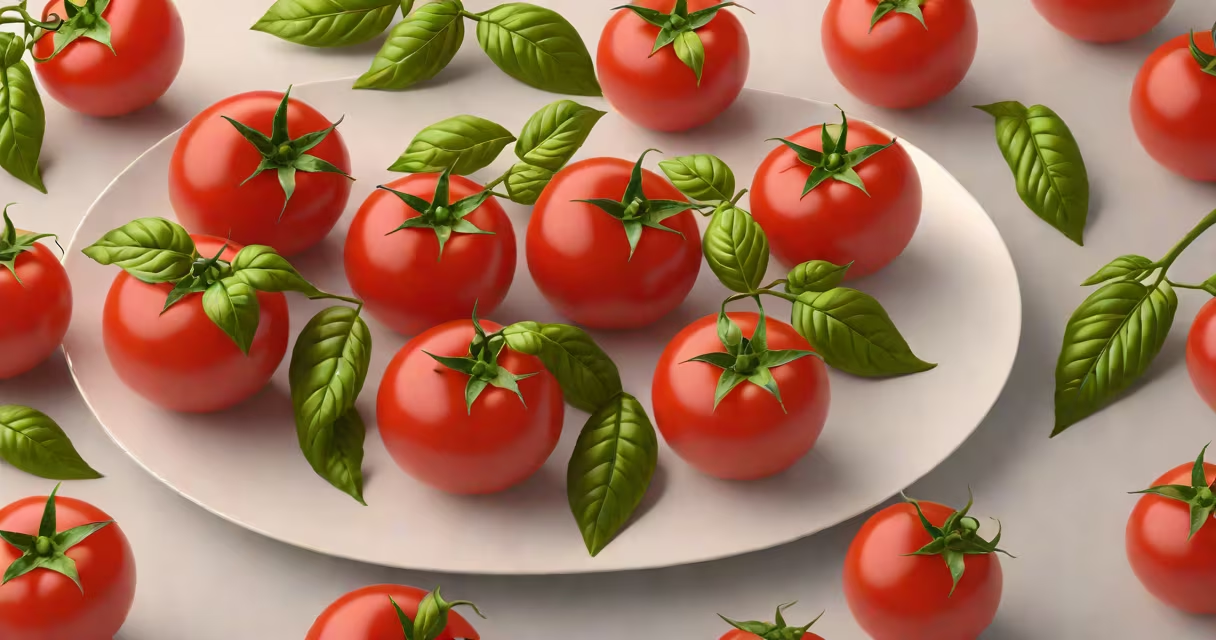
Tomatoes can support weight loss due to their low calorie count, high water content, and nutrient profile, particularly vitamin C, potassium, and lycopene. They are not a magic fat burner, but they fit well into a calorie-controlled diet.
Tomatoes contain about 18 calories per 100 grams (about 3.5 ounces), mostly from carbohydrates and minimal fat. Their high water content-around 95%-contributes to satiety, helping reduce calorie intake. A medium tomato weighs roughly 120 grams and provides less than 22 calories.
Research from the National Institutes of Health shows that diets rich in vegetables like tomatoes are linked to lower body mass index (BMI) and reduced abdominal fat. A 2021 study published in Frontiers in Nutrition found that increased vegetable consumption, including tomatoes, was associated with greater weight loss over 12 weeks compared to control groups.
Tomatoes contribute to weight management through several mechanisms. Their fiber content-about 1.2 grams per 100 grams-slows digestion and promotes fullness. This can reduce snacking between meals and curb overeating.
Lycopene, the red pigment in tomatoes, has antioxidant properties. While direct evidence linking lycopene to fat loss is limited, animal studies suggest it may reduce fat accumulation and improve insulin sensitivity. Human trials remain inconclusive, but lycopene's role in reducing oxidative stress supports metabolic health.
Tomatoes are also low-glycemic, meaning they don't spike blood sugar. This helps maintain steady energy levels and reduces cravings. A 2019 review in Nutrients noted that low-glycemic foods are effective in long-term weight control because they stabilize appetite-regulating hormones like ghrelin and leptin.
Tomatoes come in many varieties, each with slightly different nutritional profiles:
| Type | Calories per 100g | Fiber (g) | Lycopene (mg) |
|---|---|---|---|
| Roma (plum) | 18 | 1.1 | 6.5 |
| Cherry | 18 | 1.2 | 4.8 |
| Beefsteak | 19 | 1.0 | 5.2 |
| Canned (in juice) | 22 | 1.4 | 8.1 |
Cooked tomatoes have higher bioavailability of lycopene. Heat breaks down cell walls, increasing absorption. A 2015 study in The Journal of Nutrition showed that consuming cooked tomato sauce led to a 150% increase in plasma lycopene levels compared to raw tomatoes.
Tomato-based dishes like salsa, ratatouille, and tomato soup can be part of a weight-loss diet when prepared without added oil or sugar. A cup of homemade tomato soup contains around 100 calories and 3 grams of fiber-ideal for meal prep.
Many people assume tomatoes are high in sugar. They are not. A medium tomato has about 4.7 grams of sugar-less than a banana and far below a typical fruit serving. The American Diabetes Association confirms that tomatoes are safe for people managing blood glucose.
Another myth is that tomatoes cause bloating. While some individuals report gas or discomfort, this is rare and usually tied to FODMAP sensitivity. Cherry tomatoes, in particular, are low-FODMAP and suitable for most people on elimination diets.
A key distinction: tomatoes are fruits botanically but are treated as vegetables in culinary and dietary contexts. This affects how they're counted in food tracking apps. For weight loss, treat them as non-starchy vegetables.
In my kitchen, I prepare a breakfast salad using two medium tomatoes, half a cucumber, a handful of spinach, and a boiled egg. I dress it with lemon juice and a pinch of salt. This meal totals 180 calories, 5 grams of fiber, and 12 grams of protein. I eat it within 30 minutes of waking. Over six weeks, I lost 3.5 pounds without changing my exercise routine.
I track this meal using MyFitnessPal. The app registers tomatoes under "vegetables," not "fruits," which prevents misclassification. I've since added roasted tomato slices to lunchtime wraps-using whole wheat tortillas and grilled chicken-to boost volume and satisfaction.
For dinner, I often make a tomato and lentil stew. One bowl (about 400g) includes 150 calories, 10 grams of fiber, and 12 grams of plant protein. It keeps me full until bedtime and requires no extra cooking time.
Tomatoes alone won't lead to significant weight loss. They work best as part of a balanced diet. The USDA recommends 2-3 cups of vegetables daily, with tomatoes counting toward that goal.
If you're aiming for rapid weight loss, focus on total calorie deficit. A 500-calorie daily shortfall leads to about 1 pound of fat loss per week. Adding tomatoes increases nutrient density without adding bulk.
For those struggling with hunger, pairing tomatoes with protein-rich foods like beans, eggs, or tofu improves satiety. A 2020 trial in Obesity Research & Clinical Practice found that participants who ate tomato-based meals with lean protein reported 28% less hunger than those eating only starchy foods.
Tomatoes are not a standalone solution, but they are a smart, low-effort addition to any weight-loss plan. Their combination of low calories, high water, and fiber makes them effective for managing appetite and supporting long-term goals.
Yes, do tomatoes help lose weight? Not dramatically-but consistently, they support the process. Use them freely in salads, sauces, and cooked dishes. Track them as vegetables. Eat them regularly. You'll likely see better results than if you skipped them entirely.