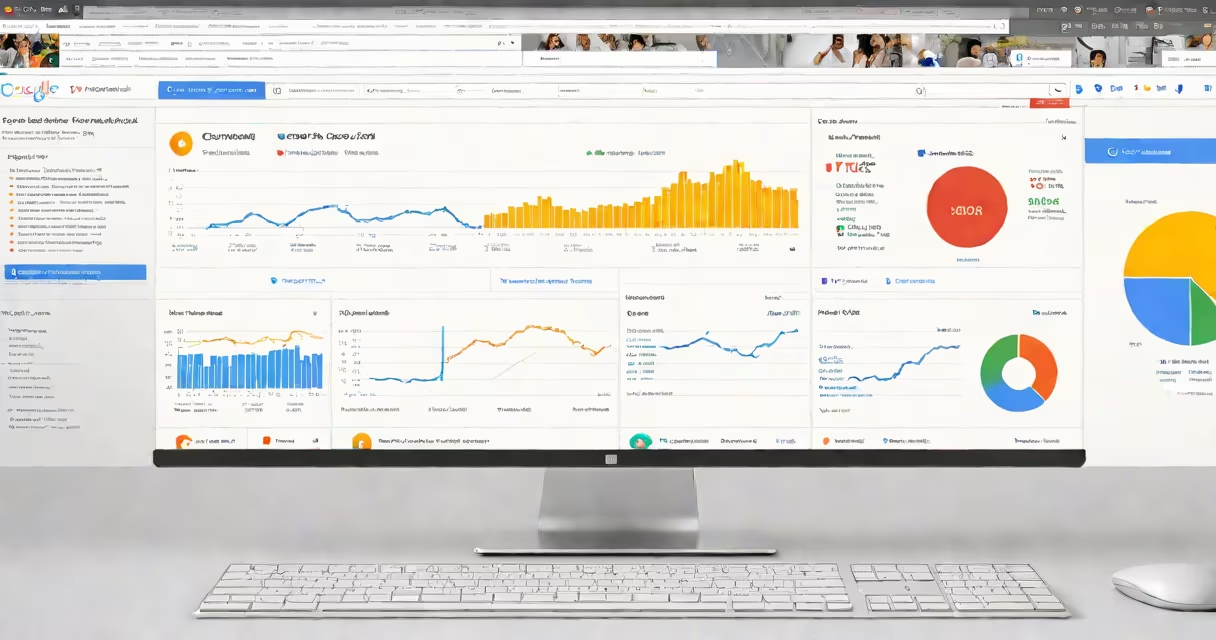
Google Site Console is a free tool that allows website owners to verify ownership, monitor search performance, and manage how their site appears in Google Search results. It replaced Google Webmaster Tools in 2015 and serves as the central hub for technical SEO and visibility reporting.
When you add a site to Google Site Console, you gain access to real-time data on how Google indexes your pages, which search queries drive traffic, and whether errors prevent proper crawling. This includes metrics like click-through rates, average position, and crawl error reports. You can also submit sitemaps and request indexing for new or updated content.
Verification is required before you can access any data. Google offers multiple methods: uploading an HTML file, adding a meta tag to your site's header, using DNS records, or linking via Google Analytics. Once verified, you can start analyzing performance and fixing issues that affect visibility.
The system operates by sending crawlers to your website at regular intervals. These bots index your pages and store metadata such as page titles, structured data, and loading speed. When someone searches for content related to your site, Google uses this stored information to determine ranking and display eligibility.
After verification, Google sends a daily report on crawl status, including any blocked resources or server errors. For example, if a page returns a 404 error, the console flags it under "Coverage" and shows how many times it was attempted. You can then fix the issue and resubmit the URL for re-crawling.
Site Console also tracks mobile usability, security issues, and AMP (Accelerated Mobile Pages) validation. If your site lacks HTTPS, it may appear in the "Security Issues" tab with a warning. Fixing this improves trust and reduces bounce rates.
Google Site Console provides several data categories critical for ongoing site maintenance:
For example, a local bakery added their site to Google Site Console and discovered that 12 out of 45 product pages were returning 404 errors due to a recent redesign. After correcting the URLs and resubmitting the sitemap, those pages reappeared in search within 48 hours.
Many users assume that adding a site to Google Site Console guarantees high rankings. That's incorrect. The tool doesn't influence SEO directly-it only reports what Google sees. A site can be verified but still rank poorly due to weak content, slow load times, or low backlink authority.
Another frequent mistake is confusing Google Site Console with Google Analytics Console. While both track user behavior, they serve different purposes. Site Console focuses on search visibility and technical health. Analytics tracks user sessions, bounce rates, and conversion paths. Using both together gives a complete picture of performance.
A non-obvious point: Google does not require you to verify every subdomain separately. If you verify the root domain (e.g., example.com), all subdomains (like blog.example.com) inherit the verification unless explicitly excluded. However, you must still configure each subdomain's settings individually.
To begin, go to https://search.google.com/search-console/ and sign in with your Google account. Click "Add Property," enter your website URL (including https://), and choose a verification method.
For most sites, the easiest option is adding a meta tag to the <head> section of your homepage. Google provides a unique string to paste into the HTML. After saving, return to the console and click "Verify." The process takes seconds if the code is correctly placed.
If you're managing a WordPress site, plugins like Yoast SEO or Rank Math automatically insert the meta tag during setup. For static sites, editing the index.html file directly works. If you use a CDN or caching service, ensure the change is pushed to the live server before verifying.
I once helped a nonprofit verify their site using the DNS method because their hosting provider blocked file uploads. We added a TXT record to their domain registrar's dashboard. After 15 minutes, Google confirmed ownership. The delay wasn't due to the method-it was the DNS propagation time.
Understanding the differences between similar platforms prevents confusion and misconfiguration.
| Feature | Google Site Console | Google Analytics Console | Google Contacts Site |
|---|---|---|---|
| Purpose | Search visibility and indexing | User behavior and session tracking | Contact list management |
| Data Type | Search queries, crawl errors, indexing status | Page views, bounce rate, session duration | Names, emails, phone numbers |
| Access Level | Public and private data (requires verification) | Private user data (requires login) | Private contact data (requires login) |
Each tool serves a distinct function. Site Console monitors how Google finds your site. Analytics tracks how users interact with it. Google Contacts Site manages personal or team contact information. Confusing them leads to wasted time and incorrect decisions.
Set up alerts for critical issues. In Site Console, go to "Settings" and enable notifications for crawl errors or security warnings. This lets you respond quickly before traffic drops.
Use the "URL Inspection Tool" to test individual pages. Enter a URL, click "Request Indexing," and see if Google can access it. If it fails, the tool shows the reason-often a blocked robots.txt rule or server error.
Regularly review the "Search Appearance" section. If your site appears in rich results (like recipes or events), ensure the markup is valid. Invalid schema can cause removal from featured snippets.
For larger websites, create multiple property accounts under one Google account. This allows team members to have role-based access-view-only, editor, or owner-without sharing credentials.
Remember: Google Site Console is not a traffic generator. It's a diagnostic and monitoring tool. To grow visibility, combine its data with content improvements, backlink building, and technical optimization.
After setting up, check your site's performance weekly. Look for spikes in impressions or drops in average position. These changes often signal algorithm updates or internal issues. Acting early preserves rankings and user trust.
For long-term success, treat Google Site Console as a core part of your site operations-not a one-time task. Regular checks prevent small problems from becoming major visibility losses.
Google Site Console remains essential for anyone who wants to understand how their website performs in search. It delivers actionable data, identifies risks, and confirms when fixes take effect. With consistent use, it becomes a useful ally in maintaining online presence.