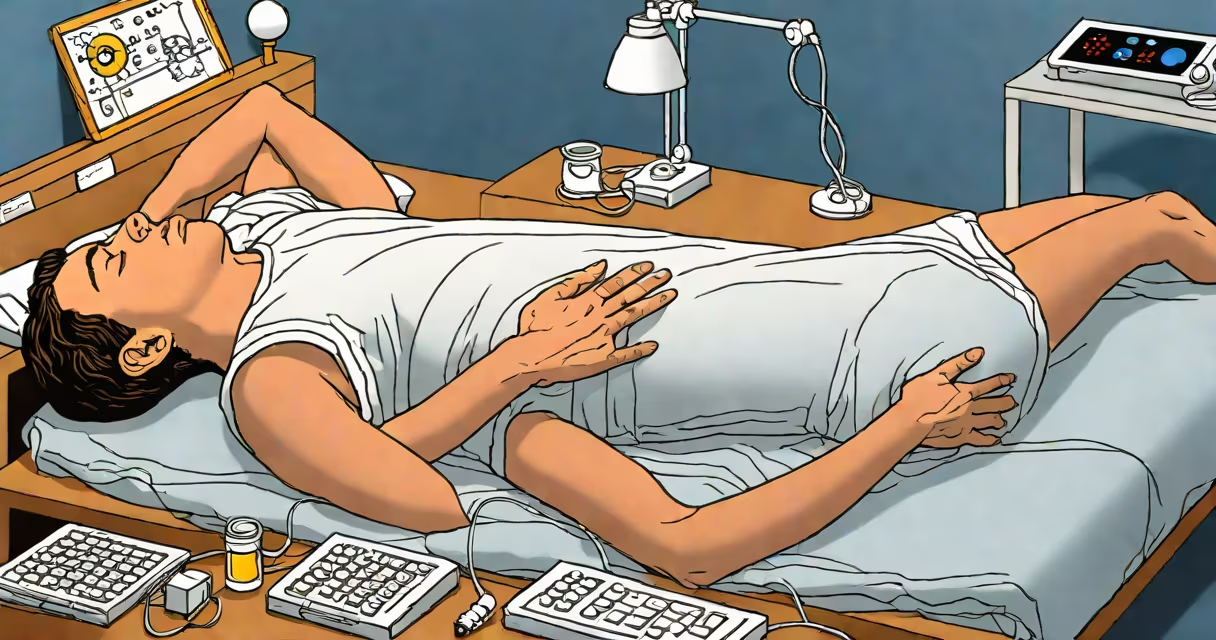
Severe stomach pain is intense, persistent abdominal discomfort that may indicate a serious underlying condition. Immediate relief strategies include heat application, hydration, positioning, and avoiding irritants. Medical evaluation is essential if pain persists beyond 12 hours or worsens.
Severe stomach pain arises from sudden or prolonged irritation in the gastrointestinal tract. It often stems from acute conditions like food poisoning, gallstones, pancreatitis, or bowel obstruction. Unlike mild cramping, severe pain typically disrupts sleep, limits movement, and may accompany fever, vomiting, or blood in stool. The pain's location-upper right quadrant, lower left, or central-can signal different causes. For example, sharp pain under the right rib cage suggests gallbladder involvement, while cramping around the navel may indicate intestinal blockage.
Medical guidelines from the American College of Gastroenterology state that pain lasting longer than 12 hours without improvement warrants urgent care. Self-treatment should focus on symptom management, not diagnosis. Avoid NSAIDs like ibuprofen during active pain-they can worsen stomach lining damage. Instead, opt for acetaminophen (Tylenol) if needed for pain control. Always consult a provider before taking medications.
Heat therapy reduces muscle spasms and improves blood flow to the abdomen. Apply a heating pad set to low or medium for 15-20 minutes. A warm bath or hot water bottle wrapped in a towel offers similar benefits. Heat does not treat the root cause but can ease cramping and tension.
Hydration prevents dehydration caused by nausea or diarrhea. Sip clear fluids such as water, oral rehydration solutions, or weak tea. Avoid caffeine, alcohol, and carbonated drinks-they increase gastric acidity and bloating. If vomiting occurs, take small sips every 10 minutes to avoid overwhelming the stomach.
Positioning affects comfort. Lying on your side with knees drawn up (fetal position) reduces pressure on the abdomen. Sitting upright with a pillow behind your back can ease acid reflux-related pain. Avoid lying flat-this increases risk of aspiration if vomiting occurs.
Many assume spicy foods or stress alone cause severe pain. While they can trigger flare-ups in people with IBS or gastritis, they rarely cause sudden, severe episodes requiring emergency care. True severe pain often signals structural issues-like a perforated ulcer or appendicitis-that don't resolve with diet changes.
A common error is using antacids for all stomach pain. Antacids neutralize acid but offer no benefit for pain due to inflammation, infection, or mechanical blockages. Taking them unnecessarily delays proper diagnosis. For example, a patient with early-stage pancreatitis may feel temporary relief from antacids but still require hospitalization.
Another misconception is that "stomach pain" always means digestive issues. Pain originating from the kidneys, reproductive organs, or heart can radiate to the abdomen. Left upper quadrant pain may stem from splenic rupture or referred pain from a heart attack. Always consider systemic causes when pain is unexplained.
Seek emergency care if pain is sudden, sharp, and worsening. Red flags include:
The National Institute of Diabetes and Digestive and Kidney Diseases (NIDDK) notes that delayed treatment for conditions like appendicitis increases risk of rupture. One study found that patients who waited more than 6 hours to seek care had twice the rate of complications compared to those treated within 2 hours.
For persistent or recurrent pain, see a gastroenterologist. Diagnostic tests may include blood work, ultrasound, CT scan, or endoscopy. Do not delay care based on fear of cost-early intervention reduces long-term health risks.
After acute pain subsides, reintroduce bland foods gradually. Start with clear liquids, then progress to toast, bananas, rice, applesauce, and boiled potatoes (BRAT diet). These foods are low in fiber and fat, reducing gut stimulation.
Some foods actively support healing. Ginger reduces inflammation and nausea-consume fresh ginger tea or capsules. Chamomile tea calms intestinal spasms. A 2021 review in Phytotherapy Research confirmed chamomile's anti-spasmodic effects in human trials, showing reduced pain scores in 78% of participants after 7 days.
A 34-year-old woman experienced sharp, burning pain in her upper abdomen after eating spicy curry. She had nausea and belching. After 3 hours, pain intensified and she developed a low-grade fever. She applied a heating pad, sipped electrolyte solution, and rested in a fetal position. By hour 6, pain remained unchanged. She sought care at an urgent clinic.
Lab tests showed elevated white blood cells and C-reactive protein. An endoscopy revealed erosive gastritis. She was prescribed proton pump inhibitor (PPI) medication and advised to avoid alcohol and NSAIDs. Within 48 hours, pain resolved. This case illustrates that self-care manages symptoms but cannot replace diagnosis.
Understanding how to relieve severe stomach pain begins with recognizing danger signs. Immediate actions like heat, hydration, and positioning provide temporary relief. But only a healthcare provider can determine whether the cause is benign or life-threatening. Know your limits. When in doubt, get evaluated.