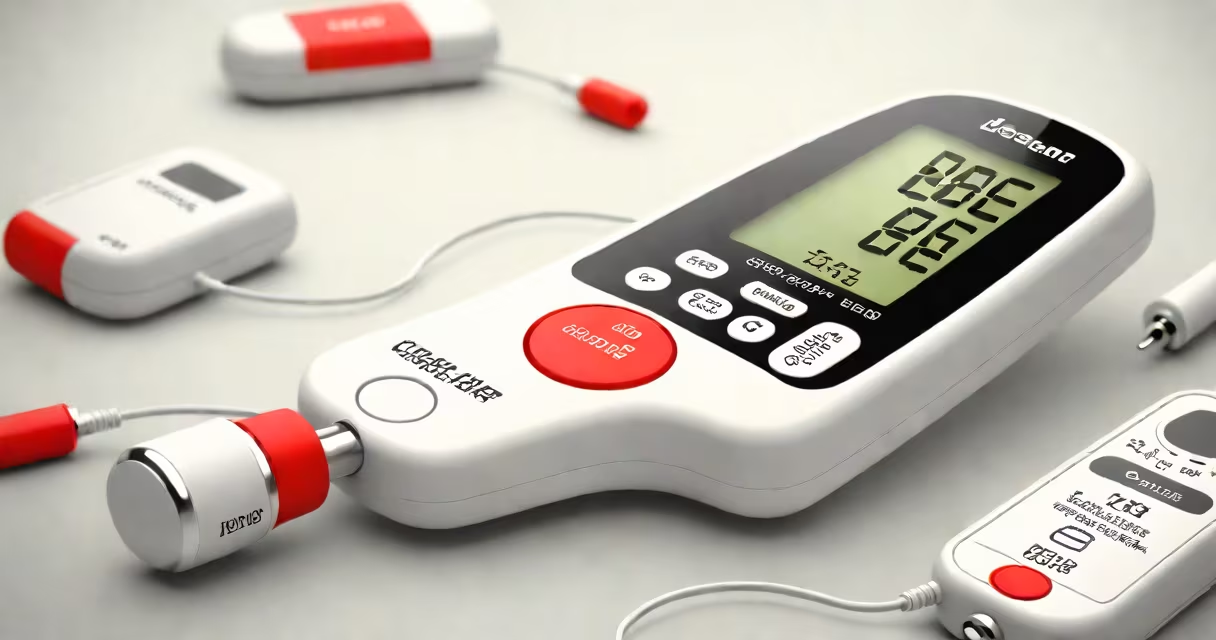
Blood sugar readings measure the concentration of glucose in the bloodstream, typically reported in milligrams per deciliter (mg/dL) or millimoles per liter (mmol/L). These values indicate how much sugar is circulating in the blood at a specific moment, serving as a key metric for diagnosing and managing conditions like diabetes.
Readings are obtained through fingerstick tests using a glucometer, continuous glucose monitors (CGMs), or laboratory draws. Fasting glucose levels are measured after at least eight hours without food, while postprandial readings occur two hours after eating. Normal fasting levels fall between 70-99 mg/dL; levels above 126 mg/dL on two separate occasions confirm a diagnosis of diabetes, according to the American Diabetes Association (ADA).
For people with diabetes, regular monitoring prevents complications such as neuropathy, retinopathy, and kidney disease. A single high reading doesn't diagnose diabetes-consistent patterns do. The ADA recommends testing at least once daily for those on insulin, and multiple times a day for tighter control.
Fingerstick testing remains the most common method. A lancet pricks the fingertip, and a drop of blood is placed on a test strip inserted into a glucometer. Results appear within seconds. This method is accurate when performed correctly and widely available without prescription.
Continuous glucose monitors (CGMs) offer real-time tracking. Devices like Dexcom G6 or Abbott FreeStyle Libre use a tiny sensor under the skin to measure interstitial fluid glucose every five minutes. Data syncs to a smartphone or receiver, showing trends and alerts for highs or lows. CGMs reduce the risk of hypoglycemia during sleep, a major concern for insulin users.
Laboratory tests such as the hemoglobin A1c (HbA1c) reflect average blood sugar over the past two to three months. An HbA1c below 5.7% indicates normal glucose control; 5.7% to 6.4% signals prediabetes; and 6.5% or higher confirms diabetes. The American Diabetes Association notes that HbA1c results correlate strongly with long-term outcomes, including reduced risk of cardiovascular events.
Understanding context is essential. Here's how different readings are interpreted:
| Reading Type | When Taken | Normal Range (mg/dL) | Diabetic Target Range (mg/dL) |
|---|---|---|---|
| Fasting glucose | After 8+ hours without food | 70-99 | 80-130 |
| Pre-meal (before eating) | Before any meal | 70-130 | 80-130 |
| Postprandial (2 hours after eating) | Two hours after starting a meal | <140 | <180 |
| Nocturnal (during sleep) | Between midnight and 3 AM | 70-120 | 70-110 |
These ranges are based on guidelines from the American Diabetes Association and the Endocrine Society. For example, a fasting reading of 105 mg/dL falls within normal limits, but a postprandial value of 220 mg/dL exceeds the recommended threshold for people with diabetes.
Non-diabetic individuals may experience reactive hypoglycemia-low blood sugar after meals-due to excessive insulin release. Symptoms include shakiness, sweating, and confusion. A documented episode with a reading below 70 mg/dL confirms the condition, requiring medical evaluation.
Many assume a single high reading means diabetes. That's incorrect. Diagnosis requires consistent elevated values across multiple tests. A fasting glucose of 120 mg/dL on one day doesn't meet diagnostic criteria. The ADA requires confirmation on a subsequent day unless symptoms are severe.
Another misconception is that all blood sugar meters are equally accurate. The FDA mandates that home glucose meters be within ±15% of lab results for values under 100 mg/dL and ±20% for values over 100 mg/dL. Some models, like the Accu-Chek Aviva, have shown accuracy within 1% of reference methods in independent studies.
Users often skip proper handwashing before testing. Residual food particles on fingers can cause falsely high readings. A study published in *Diabetes Technology & Therapeutics* found that 12% of errors in home testing stemmed from poor hygiene, leading to unnecessary insulin dosing.
Consider a 52-year-old woman with type 2 diabetes who checks her blood sugar before lunch and finds it at 110 mg/dL. After eating a meal containing 60 grams of carbohydrates, she tests again two hours later and records 210 mg/dL. This spike exceeds the target range of less than 180 mg/dL.
She reviews her log and notices similar spikes after meals rich in refined grains. She adjusts her diet by replacing white rice with quinoa and adding a 10-minute walk after eating. Over the next week, her post-meal readings stabilize around 140 mg/dL. This demonstrates how blood sugar readings inform behavioral changes that improve control.
Readings below 70 mg/dL indicate hypoglycemia. Symptoms include dizziness, rapid heartbeat, and blurred vision. Immediate action is needed: consume 15 grams of fast-acting carbohydrate (e.g., four glucose tablets or 4 ounces of juice). Recheck after 15 minutes. If still low, repeat.
Consistently high readings above 180 mg/dL after meals or 130 mg/dL fasting suggest poor control. This increases the risk of long-term damage to nerves, eyes, and kidneys. The CDC reports that uncontrolled diabetes contributes to nearly 100,000 cases of lower-limb amputations annually in the U.S.
Some people experience dawn phenomenon-rising blood sugar between 2 AM and 8 AM due to hormonal shifts. A reading of 160 mg/dL at 6 AM may not require insulin adjustment if the person feels fine and has no symptoms. But if it happens regularly, medication timing may need shifting.
One of the most overlooked facts is that individual readings are less meaningful than patterns. A single high reading after a holiday meal doesn't require intervention. But repeated postprandial spikes over weeks signal a need for dietary or medication change.
I once observed a patient whose daily logs showed consistent post-meal highs despite taking metformin. Upon review, he was skipping his evening dose. Correcting the schedule brought his average post-meal glucose down from 190 mg/dL to 145 mg/dL within two weeks. This illustrates how adherence and consistency matter more than isolated numbers.
High-frequency monitoring via CGM provides insight into glucose variability. A person with wide swings-between 50 and 250 mg/dL-faces greater risk of complications than someone with steady levels near 100 mg/dL. The American Diabetes Association emphasizes that minimizing fluctuations is as important as achieving target averages.
Blood sugar readings are not just numbers-they are signals. They guide decisions, reveal patterns, and enable proactive management. Whether using a fingerstick device or a wearable sensor, understanding how to interpret these values empowers better health outcomes.