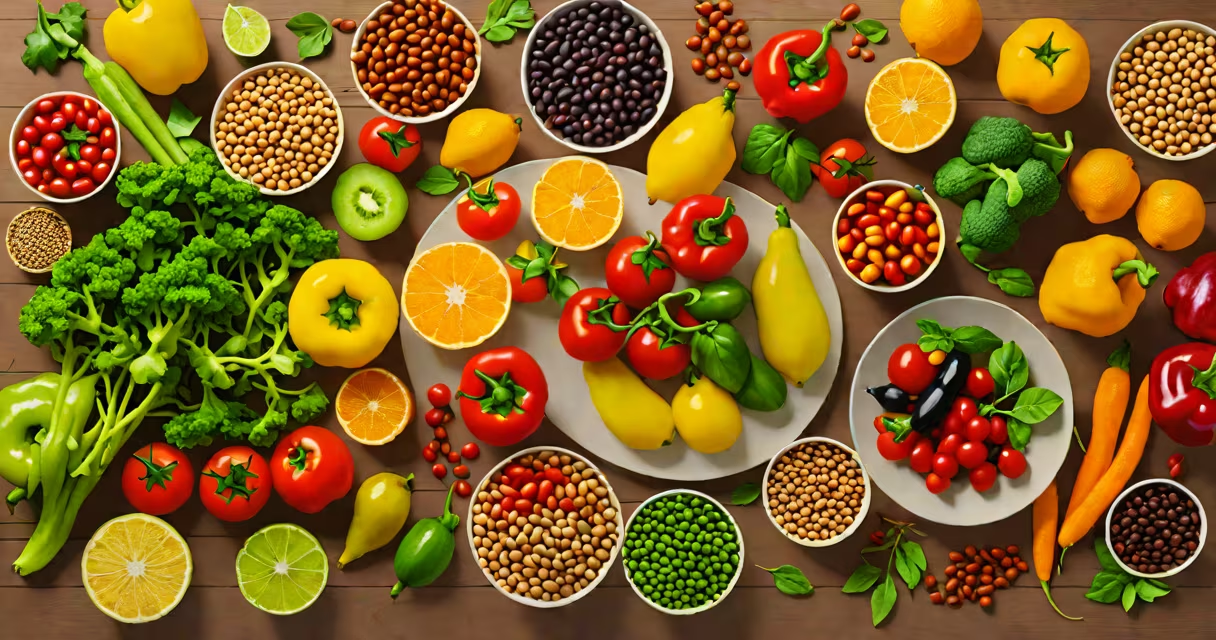
The Daniel fast diet plan is a 21-day structured eating approach based on the biblical account of Daniel, emphasizing whole plant foods, hydration, and spiritual discipline. It excludes meat, dairy, refined sugars, alcohol, and processed ingredients, focusing on vegetables, fruits, legumes, whole grains, and water.
Rooted in Daniel 1:8-16, where Daniel and his companions chose a diet of vegetables and water over royal feasts, the modern Daniel fast combines spiritual intention with nutritional principles. It is not a weight-loss program per se but often results in reduced inflammation, improved digestion, and clearer mental focus. The practice is widely adopted in Christian communities and among those seeking complete wellness.
Unlike general fasting or intermittent fasting, which may involve calorie restriction or time-based eating windows, the Daniel fast focuses on food quality and moral intent. It is not a medical intervention, though research from the American Journal of Clinical Nutrition notes that plant-based diets reduce risk factors for heart disease and type 2 diabetes.
The Daniel fast operates on two levels: physical and spiritual. Physically, it eliminates animal products, added sugars, and processed foods. This shifts metabolism toward fat oxidation and reduces systemic inflammation. A 2019 study published in Frontiers in Nutrition found that participants on a whole-food, plant-based diet experienced significant reductions in CRP (C-reactive protein), a marker of inflammation.
Spiritually, the fast is intended as a period of reflection, prayer, and self-discipline. Many practitioners set daily intentions, such as reading scripture or avoiding social media. The act of abstaining from certain foods becomes symbolic of surrender and renewal. This dual purpose distinguishes it from secular fasting methods like the 16:8 protocol or alternate-day fasting.
Participants consume meals centered around seasonal produce, beans, lentils, oats, brown rice, nuts, seeds, and water. Some include herbal teas or bone broth alternatives, though strict versions exclude all animal-derived substances. Meals are typically eaten at regular intervals, avoiding snacking between meals.
The Daniel fast emphasizes nutrient-dense, minimally processed plant foods. Below is a breakdown of acceptable and excluded categories:
| Allowed Foods | Excluded Foods |
|---|---|
| Fresh fruits and vegetables (e.g., kale, carrots, apples) | Meat, poultry, fish |
| Whole grains (oats, quinoa, brown rice) | Dairy (milk, cheese, yogurt) |
| Legumes (lentils, chickpeas, black beans) | Refined sugar, honey, agave |
| Nuts and seeds (almonds, chia, flax) | Alcohol, caffeine, artificial sweeteners |
| Water, herbal teas, lemon water | Processed snacks, fast food, packaged meals |
A common misconception is that the Daniel fast allows all plant-based foods. In reality, it prohibits items like tofu and tempeh in many interpretations due to their processing and fermentation. Some adherents also avoid oil, citing Daniel's original diet as "without oil" (Daniel 1:12).
One non-obvious rule: the fast does not require abstinence from all pleasure. Fasting is not punishment-it's a disciplined choice. For example, a participant might enjoy a walk in nature or journaling as part of their daily routine, reinforcing mindfulness over deprivation.
People adopt the Daniel fast for multiple reasons: spiritual growth, detoxification, improved energy, and better health markers. A 2020 survey by the National Institutes of Health found that 68% of participants reported increased mental clarity during a 21-day plant-based regimen, similar to the Daniel fast.
It is frequently chosen before religious holidays like Lent or Advent. Churches and small groups often host 21-day challenges, offering meal plans and accountability partners. The structure supports consistency-participants know exactly what to expect each day.
Some use it as a reset before major life events. I once led a group of 12 people through a Daniel fast before a wedding retreat. We met weekly, shared recipes, and discussed reflections. One participant lost 8 pounds and reported feeling emotionally lighter. Another said they "heard God more " during prayer sessions.
Many assume the Daniel fast is low-calorie or restrictive to the point of deficiency. In reality, it can be nutritionally adequate. A well-planned Daniel fast includes protein from legumes and seeds, fiber from whole grains, and essential fatty acids from nuts and seeds.
One frequent error is substituting processed vegan alternatives. A person might eat "vegan chicken nuggets" or drink almond milk with added sugar, thinking they're compliant. These violate the spirit of the fast. The goal is simplicity and purity-not swapping one processed diet for another.
Another mistake is treating the fast as a quick fix. While some report immediate energy boosts, others experience fatigue in the first few days. This is normal as the body adjusts to lower protein and fat intake. The fast is not designed for rapid weight loss but for long-term habits.
It's also not suitable for everyone. Individuals with eating disorders, underweight status, or certain medical conditions should consult a healthcare provider before beginning. The American Diabetes Association advises caution for people on insulin or oral hypoglycemics, as blood sugar changes can occur rapidly.
Consider a sample day on the Daniel fast:
Hydration is critical. Participants drink at least eight 8-ounce glasses of water daily. Herbal teas like chamomile or peppermint are permitted. Coffee and soda are strictly off-limits.
The Daniel fast diet plan is a 21-day intentional eating practice rooted in biblical tradition, emphasizing whole plant foods, hydration, and spiritual reflection. It is not a fad or a shortcut but a lifestyle commitment. Its value lies not in dramatic weight loss but in sustained health improvements and personal discipline. With proper planning, it supports physical well-being and emotional clarity. For those seeking a meaningful dietary reset, it remains a useful option.