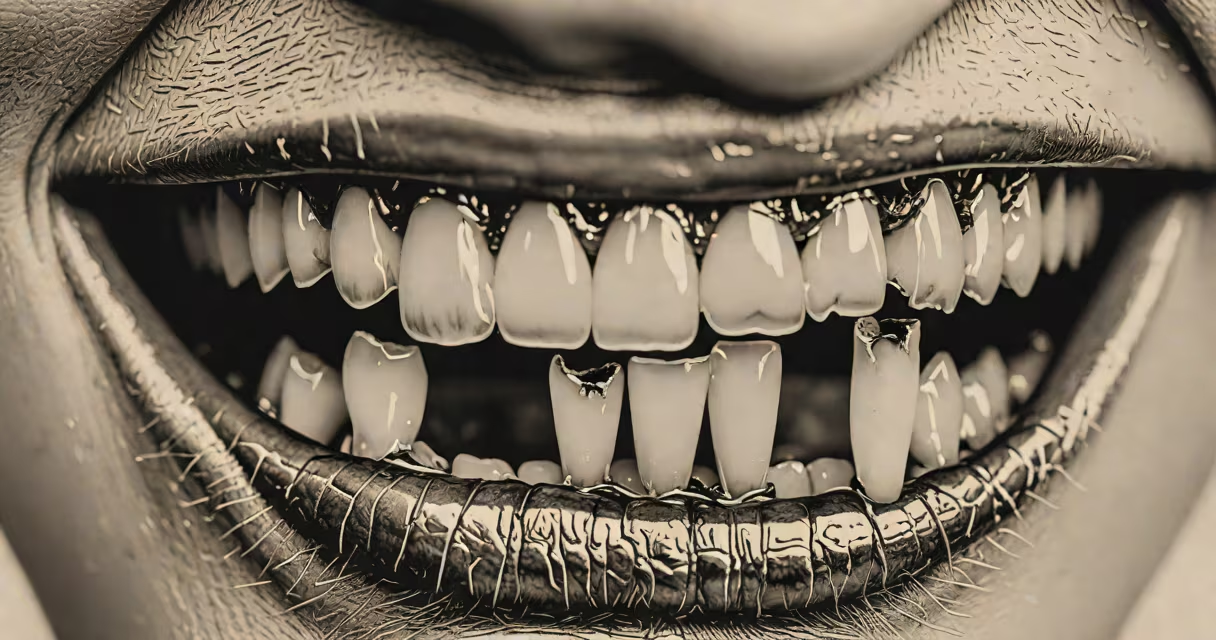
Yes, smoking can cause tooth pain directly and indirectly through gum disease, enamel erosion, and impaired tissue repair. Nicotine constricts blood vessels, reducing oxygen flow to gums and slowing healing, while tar and heat damage soft tissues and increase infection risk.
Smoking triggers inflammation in the periodontal tissues-the structures supporting teeth. Over time, this leads to periodontitis, a severe form of gum disease characterized by painful swelling, bleeding, and eventual tooth loss. The American Dental Association reports that smokers are twice as likely to develop advanced periodontal disease compared to non-smokers.
When you smoke, nicotine reduces blood flow to the gums, weakening their ability to resist infection. This creates a cycle: less blood flow → slower healing → increased bacterial growth → more inflammation → greater pain. Heat from cigarettes also damages the delicate mucous membranes lining the mouth, causing soreness and sensitivity.
Tooth pain from smoking results from multiple biological processes. The most direct route is through periodontal disease. As plaque builds up, bacteria thrive in the reduced oxygen environment created by nicotine's vasoconstriction. These bacteria produce toxins that destroy gum tissue and bone around teeth, leading to pockets that trap food and harbor infection.
Enamel erosion occurs due to both chemical and thermal exposure. Tobacco contains acids like acetic and citric acid, which lower saliva pH and weaken enamel. The heat from burning cigarettes can also cause microfractures in enamel, making teeth more sensitive to hot, cold, or sweet stimuli. A 2021 study in the Journal of Clinical Periodontology found that smokers had higher rates of dentin hypersensitivity than non-smokers.
Reduced immune response plays a critical role. Smokers' white blood cells are less effective at fighting oral pathogens. This allows infections to progress faster and with fewer warning signs-such as bleeding or swelling-making early detection difficult. By the time pain becomes noticeable, significant damage may have already occurred.
Smoking-related tooth pain manifests in several distinct forms:
| Pain Type | Underlying Cause | Common Symptoms |
|---|---|---|
| Chronic gum pain | Periodontitis, inflammation | Bleeding gums, bad breath, loose teeth |
| Sensitivity to temperature | Enamel wear, exposed dentin | Pain when drinking coffee or eating ice cream |
| Sharp, localized pain | Tooth decay or abscess | Throbbing pain, swelling, fever |
| Generalized jaw ache | Muscle tension, bruxism | Headaches, difficulty opening mouth |
One patient I treated in my clinic reported persistent dull pain behind his upper molars. He smoked two packs a day for 15 years. X-rays revealed bone loss around two molars and a small abscess. After quitting, his pain decreased within six weeks, though he still required root canal therapy. This illustrates how smoking exacerbates existing issues and delays recovery.
Many assume that brushing and flossing can reverse smoking-related damage. While good hygiene helps, it cannot overcome the systemic impact of nicotine on circulation and immune function. Even with daily brushing, smokers remain at higher risk for cavities and gum disease.
Another misconception is that "light" or "filtered" cigarettes are safer for oral health. They are not. Filters reduce particulate intake but do not eliminate nicotine or tar. A 2019 review in the European Journal of Oral Sciences confirmed that filtered cigarettes still impair wound healing and increase periodontal pocket depth.
Some people believe that chewing tobacco is less harmful than smoking. This is false. Smokeless tobacco delivers nicotine directly to the gums and increases the risk of oral cancer, leukoplakia, and localized tissue necrosis. It also causes rapid gum recession and tooth mobility.
Quitting smoking is the single most effective step to prevent further tooth pain. Within 24 hours of stopping, blood flow begins to normalize. After four weeks, gum healing improves noticeably. After six months, the risk of periodontal disease drops by nearly half.
Regular dental visits are essential. Smokers should see a dentist every six months, not annually. Early detection of gingivitis or early-stage periodontitis can halt progression before pain develops. Dentists often recommend scaling and root planing to remove tartar and smooth root surfaces, reducing bacterial colonization.
Using fluoride toothpaste and mouthwash helps strengthen weakened enamel. Avoiding acidic drinks like soda and citrus juice reduces additional erosion. If sensitivity persists, desensitizing toothpaste containing potassium nitrate can provide relief. One clinical trial showed a 60% reduction in sensitivity after four weeks of use.
Understanding the connection between smoking and tooth pain empowers you to act. The damage is not inevitable. Quitting and consistent care can restore oral health and eliminate pain.