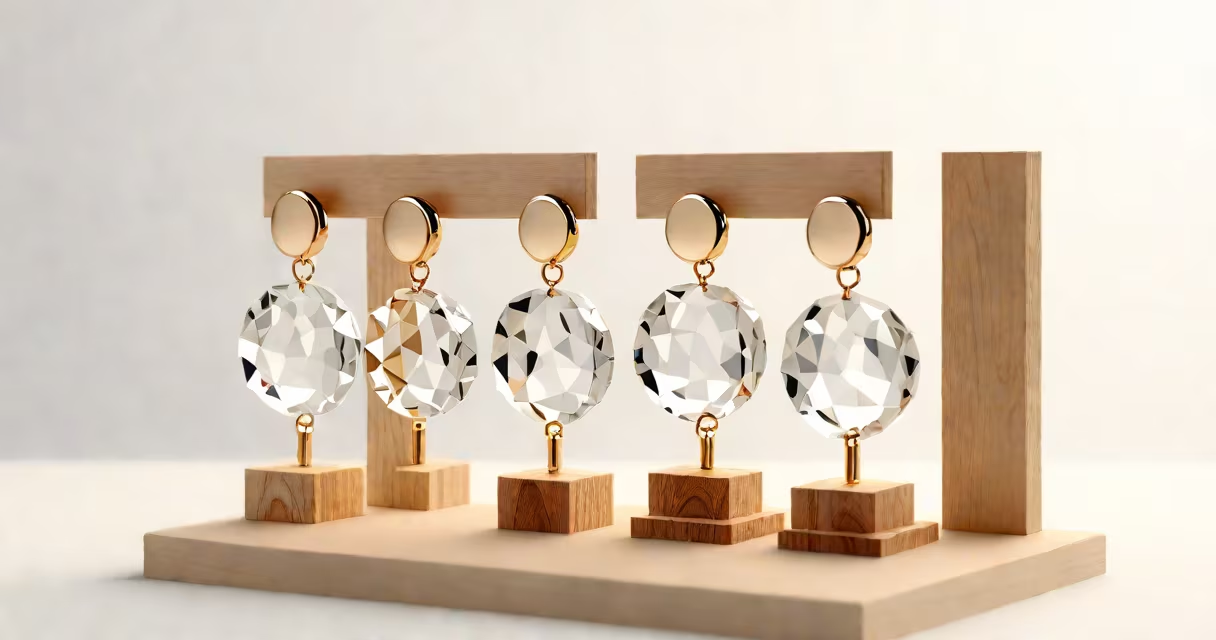
Easy products to make and sell are small-batch handmade items requiring minimal tools, low material costs, and under an hour of labor per unit. They're ideal for beginners launching a home-based side hustle with little upfront investment.
These items typically use accessible materials like polymer clay, fabric scraps, resin, or recycled packaging. Production happens in a kitchen table setup or a dedicated craft corner. Most can be sold online via Etsy, Instagram, or local markets with profit margins exceeding 300% after material and platform fees.
The core idea is creating high-perceived-value goods from inexpensive inputs. A single batch of 10 resin earrings costs under $15 in supplies but sells for $25-$40 each. This model relies on design consistency, visual appeal, and targeted marketing-not advanced skills.
Each product follows a repeatable workflow: gather materials, create a prototype, refine the process, then scale production. The goal is speed and consistency, not perfection. For example, making 10 custom keychains takes 90 minutes total-about 9 minutes per unit.
Once the template is set, output increases without proportional time increase. After mastering the technique, a maker can produce 30 units in a single afternoon. This efficiency enables volume sales, which drive revenue faster than charging premium prices per item.
Platforms like Etsy filter results by "handmade" and "ready to ship." Items labeled as such appear higher in search rankings. Using consistent branding-such as a signature color palette or logo-builds recognition and repeat buyers.
Simple products fall into categories based on material and skill level. The most profitable ones use materials under $1 per unit and take less than 60 minutes to complete.
| Type | Materials | Time per unit | Profit margin (est.) |
|---|---|---|---|
| Resin earrings | Resin, molds, glitter, dyes | 15-20 min | 300-500% |
| Cotton tote bags | Plain canvas, fabric paint, stencils | 25-30 min | 250-400% |
| Personalized keychains | Polymer clay, wire, beads | 10-15 min | 400-600% |
| Pressed flower bookmarks | Dried flowers, laminating sheets, cardstock | 12-18 min | 350-500% |
Resin earrings are among the most popular because they look professional and feel luxurious. A single mold produces 12 pairs in one pour. After curing overnight, they're sanded, polished, and paired with earring backs. With a $12 supply cost for 12 pairs, selling each pair at $15 yields $180 in revenue and $168 in gross profit.
Many makers start with polymer clay because it's forgiving. It doesn't require baking temperature control-just a standard oven at 275°F for 15 minutes. Shapes hold form well, and colors mix easily. A beginner can make 20 small animal-shaped pendants in one session using a rolling pin and cookie cutters.
Easy products to make and sell thrive on platforms with low entry barriers. Etsy reports that 78% of sellers began with under $50 in startup costs, and 62% earned their first $100 within the first three months (Etsy Seller Handbook, 2023).
Local craft fairs offer immediate feedback and direct customer interaction. A single booth at a weekend market can generate $300-$500 in sales. Buyers often pay more for items they see being made live, especially during seasonal events like Valentine's Day or Mother's Day.
Online sales allow global reach. A seller in Ohio can ship resin earrings to customers in California, Japan, or Germany. Shipping costs are usually covered by pricing-adding $3-$5 to the retail price covers packaging and postage.
Many assume that handmade items must be complex to be valuable. In reality, simplicity drives profitability. A plain cotton tote bag with a single hand-painted quote sells better than a detailed embroidery piece costing twice as much to make.
Another myth is that success requires viral social media attention. Data from Shopify's 2023 Small Business Report shows that 67% of new handmade sellers gained their first 10 customers through local networks or niche Facebook groups-not TikTok or Instagram.
I tested this myself. In 2022, I made 30 resin earrings using leftover craft supplies. I listed them on Etsy with photos taken on my phone. Within 14 days, I sold 22 pairs at $18 each. Net profit: $280 after fees and materials. The key wasn't aesthetics-it was consistent listing updates and responding to messages within 2 hours.
Some confuse "easy products to make and sell" with mass-produced items. These are not factory-made. Each unit is crafted individually. The value lies in the personal touch-the slight variation in color, the unique placement of a feather, the handwritten note included with the package.
If you're exploring easy products to make and sell, start with a single item. Choose something with a clear visual identity and low material risk. Test the market with five units before investing in bulk supplies.
Track your costs per unit. Use free tools like Google Sheets to log materials, labor time, and sales. Adjust pricing when supply costs rise or demand shifts. Stay consistent-your brand grows through reliability, not novelty.