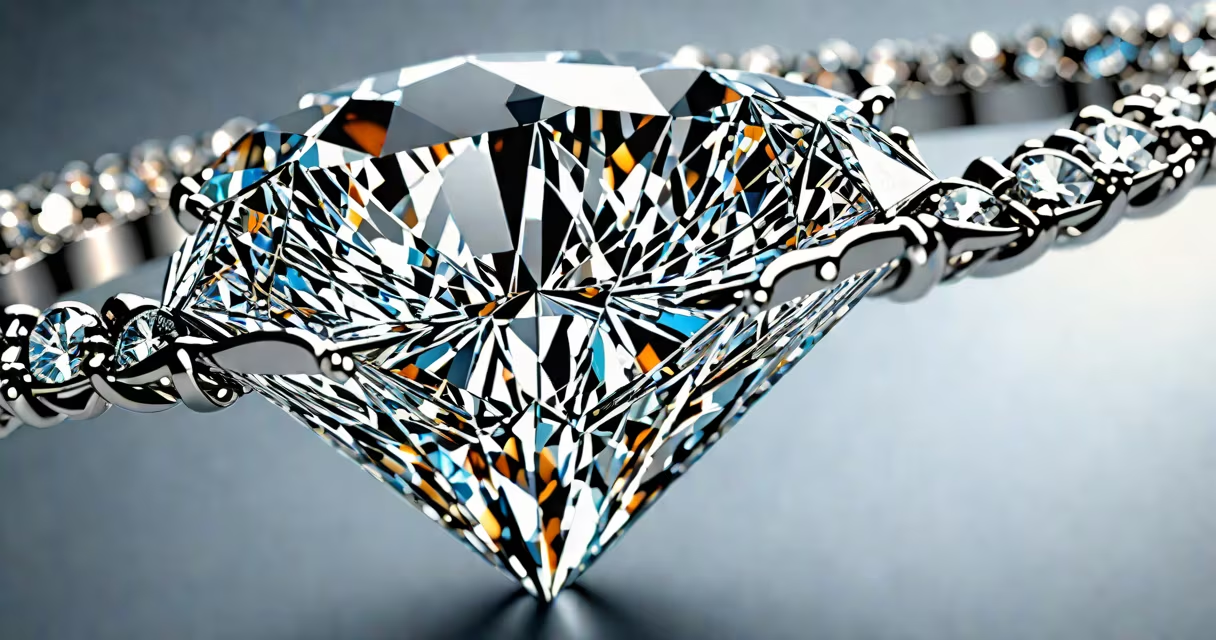
Diamond the body describes the deliberate implantation of diamonds into human skin or subdermal tissue for decorative or symbolic reasons. This practice falls under the broader category of body modification and requires surgical precision and long-term care.
Implanting diamonds involves placing a small, polished gemstone beneath the skin using a sterile surgical procedure. The stone is typically secured within a biocompatible metal housing-often titanium or platinum-to prevent migration and reduce risk of rejection. The process is performed in a clinical setting by trained professionals, though some unregulated practitioners offer the service in non-medical environments.
Unlike surface piercings or tattoos, which affect only the outer layers of skin, diamond implants penetrate deeper into the dermis or subcutaneous layer. This increases the likelihood of complications such as infection, scarring, granuloma formation, and implant displacement. The American Society for Aesthetic Plastic Surgery notes that any foreign object introduced into the body carries a risk of chronic inflammation or failure of integration.
The procedure begins with local anesthesia applied to the targeted area. A small incision is made, and a pocket is created beneath the skin using blunt dissection tools. The diamond, mounted in a biocompatible anchor, is then inserted and sutured closed. Healing takes four to six weeks, during which time the site must be kept clean and monitored for signs of infection.
Some individuals choose to have multiple diamonds placed in patterns-such as along the spine, around the waistline, or on the shoulder blade-for visual impact. These placements require careful planning to avoid nerve damage or interference with movement. The most common locations are areas with minimal muscle contraction and low friction against clothing.
A 2021 study published in the Journal of Dermatologic Surgery documented 14 cases of subdermal gemstone implantation. Of those, five developed localized infections requiring antibiotic treatment, and two required surgical removal due to migration. The authors concluded that while aesthetic outcomes can be striking, the complication rate remains high compared to standard piercings.
Not all diamonds used in body implants are natural. Synthetic diamonds-created through high-pressure, high-temperature (HPHT) or chemical vapor deposition (CVD) methods-are often preferred due to lower cost and consistent quality. They are chemically identical to mined diamonds but lack the geological history and rarity premium.
| Type | Source | Cost Range (USD) | Common Use |
|---|---|---|---|
| Natural Diamond | Mined | $5,000-$20,000+ | High-end custom designs, luxury clients |
| Synthetic (CVD) | Laboratory-grown | $1,000-$5,000 | Most common in body implants |
| Simulant (Moissanite) | Lab-created | $200-$800 | Low-cost alternatives; not true diamonds |
Only lab-grown diamonds with verified purity and hardness (10 on the Mohs scale) are recommended for implantation. Simulants like moissanite, while visually similar, are softer and prone to scratching or chipping under pressure.
Anchor types vary. Some use flat-backed rings designed to sit flush with the skin; others use threaded posts that screw into the dermis. The latter offers better stability but increases trauma during insertion and removal.
Diamond the body is primarily practiced in urban centers with established body art communities-cities like Los Angeles, Berlin, Tokyo, and London. It appeals to individuals seeking permanent, high-visibility adornment beyond traditional piercings or tattoos.
Artists and performers often adopt the look for stage presence. A dancer in Berlin reported wearing a single diamond embedded in her sternum during a performance series. She described the sensation as "like a tiny heartbeat under the skin." The piece was removed after six months due to minor swelling and discomfort.
Some clients view the implant as a personal symbol-of resilience, identity, or transformation. One woman in Toronto had a 0.5-carat diamond implanted above her left hip after surviving a serious illness. She said the stone reminded her daily of her recovery.
Many assume that because diamonds are hard, they're safe for internal use. This is false. While diamonds resist wear, their sharp edges can cause micro-tears in surrounding tissue. Over time, this leads to fibrosis and encapsulation-where the body walls off the foreign object.
Another misconception is that the procedure is reversible. In reality, removing a subdermal diamond often results in significant scarring. The surrounding tissue may not regenerate fully, especially if infection occurred during healing.
Diamond the body is not medically approved by the FDA or equivalent agencies in most countries. It is classified as a cosmetic procedure, not a therapeutic intervention. There are no standardized safety protocols, and practitioners are not uniformly regulated.
One case from 2022 involved a man who had a diamond implanted in his forearm. After three years, he developed a painful abscess. The implant had shifted and pierced a blood vessel. He required emergency surgery and lost partial function in his hand. The clinic that performed the procedure was later shut down for operating without proper licensing.
If you're drawn to the idea of permanent gemstone adornment but concerned about health risks, consider safer options. Surface-mounted jewelry-such as dermal anchors with removable stones-allow for temporary display without deep tissue penetration.
Before pursuing any body modification involving foreign objects, consult a board-certified dermatologist or plastic surgeon. Understand the long-term implications. A single diamond may cost $3,000, but the cost of complications-medical bills, lost work, emotional distress-can exceed ten times that amount.
While the aesthetic appeal of diamond the body is undeniable, the physical and psychological toll demands careful evaluation. Not every desire for permanence warrants a permanent change.