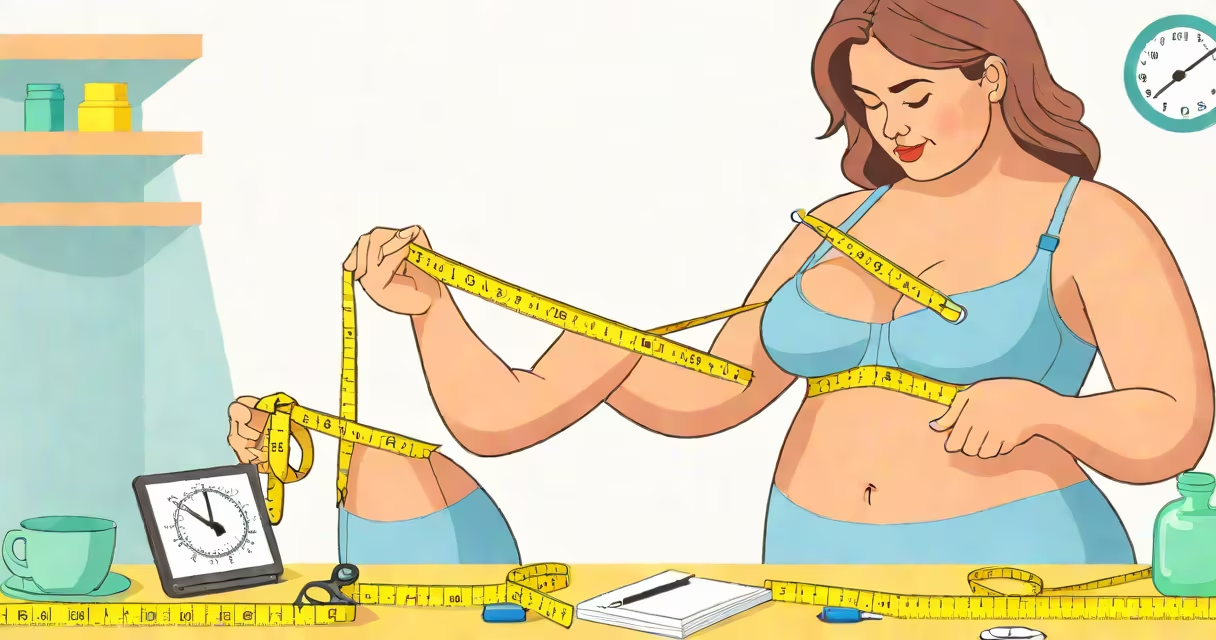
To determine your bra size, measure your ribcage just below the bust and your bust at the fullest point, then match those numbers to standard sizing charts. A size like 34C means a 34-inch band size and a C cup, based on the difference between bust and band measurements.
Bra sizing combines two components: the band size and the cup size. The band wraps around your torso under the bust. The cup covers the breast tissue and varies in volume based on the difference between your bust and band measurements. Sizing systems differ slightly between brands, but most U.S. retailers use the same base calculation.
Start by measuring your band size. Wrap a soft tape measure snugly around your torso, just below the bust, keeping it level and parallel to the floor. Do not pull tight-just enough to avoid gaps. Record the number in inches. Round up to the nearest whole inch if needed. For example, if the tape reads 32.5 inches, round up to 33.
Next, measure your bust at the fullest part-usually the nipple line. Keep the tape measure horizontal and avoid pulling it too tight. Stand relaxed, arms at your sides. Record the measurement in inches. If your bust measures 38 inches and your band is 33 inches, the difference is 5 inches.
Cup sizes correspond to differences in inches between bust and band. A 1-inch difference equals an A cup, 2 inches is B, 3 inches is C, 4 inches is D, and so on. So a 5-inch difference results in a D cup. Your full size becomes 33D.
Some brands use different systems. For example, UK sizing often adds 2 inches to the band size before assigning the cup. This can lead to confusion. Always check the brand's specific sizing chart before purchasing.
One frequent error is measuring the band too loosely. If the tape sags or moves during measurement, you'll record a larger number than your actual band size. This leads to a larger band size and a smaller cup, which may result in a poorly fitting bra.
Another mistake is measuring the bust while wearing a padded or underwire bra. These alter the shape and volume of your breasts. Always measure without a bra, especially if you're trying to find your true size.
A third issue is assuming that a single size fits all. A woman who wears a 34C in one brand may need a 36B in another due to differences in cup volume and band stretch. Brands like Calvin Klein and Wacoal have distinct shaping standards.
Consider a woman who measures 32 inches around her ribcage and 37 inches around her bust. Her band size is 32 inches. The difference is 5 inches, which corresponds to a D cup. Her size is 32D.
If she tries on a 34C bra, the band will be too loose-two inches too big-and the cups will be too small. She'll feel restricted in the band and the cups won't cover the full breast tissue. This causes discomfort and poor support.
She should try a 32D or possibly a 34C if the brand runs large. But only if the cup fits properly. Always test the fit by standing in front of a mirror and checking for spillage or gaps.
Cup sizes increase in volume with each letter. A C cup holds more volume than a B, and a D holds more than a C. However, cup size alone doesn't guarantee a good fit. The band must still provide adequate support.
For example, a 34C bra has the same cup volume as a 36C, but the 36C band is wider and may not stay in place. The 34C offers better support because the band is tighter. This is why band size matters as much as cup size.
Some women with larger busts wear a 34C or 36C, but they may need a larger band to prevent the bra from digging into their skin. In such cases, a 36C may be more comfortable than a 34C, even though the cup size is the same.
| Bust (inches) | Band (inches) | Difference | Cup Size | Final Size |
|---|---|---|---|---|
| 38 | 33 | 5 | D | 33D |
| 40 | 36 | 4 | D | 36D |
| 37 | 32 | 5 | D | 32D |
Notice how the same cup size appears across different band sizes. The volume of the cup remains consistent, but the band size affects comfort and support.
Your bra size can change due to weight fluctuations, pregnancy, menopause, or hormonal shifts. A woman who wore a 34B before pregnancy may need a 36C afterward. Breast tissue expands, and the band may stretch over time.
Experts recommend re-measuring every 6 to 12 months, especially if you notice changes in fit. According to the American Academy of Dermatology, improper bra fit contributes to back pain and poor posture in up to 85% of women.
I measured my own size after gaining 10 pounds and found that my band had increased by two inches. My previous size was 34C, but I now needed a 36C. The difference wasn't noticeable until I tried on a new bra.
Many online retailers offer size calculators. Input your measurements, and the tool suggests a size. These tools are helpful but not perfect. They rely on internal algorithms that may not reflect real-world fit.
Always compare your measurement to the retailer's size chart. Some brands list both band and cup sizes in a grid. Others show a diagram of how the bra fits. Use these visuals to cross-check your results.
Guessing your size leads to poor support, visible bra lines, and long-term discomfort. A study published in the Journal of Women's Health found that 75% of women wear the wrong bra size, with most wearing cups that are too small.
Wearing a bra that's too small compresses breast tissue and restricts lymphatic flow. This increases the risk of discomfort and may contribute to long-term health issues. The National Breast Cancer Foundation notes that proper fit supports healthy breast function.
For example, a woman who wears a 34A instead of a 34C may feel pressure in her shoulders and back. Her breasts may spill over the top of the cups. This is not just cosmetic-it affects posture and daily comfort.
Once you've confirmed your size, consider trying a 33C bra if you want a snugger fit. A 33C has the same cup volume as a 34C but a tighter band. This can improve support for larger busts.
For reference, a 33C bra size is a common size for women with medium busts and average band measurements. It's not uncommon for someone with a 33-inch band and 36-inch bust to wear a 33C. The difference is 3 inches, which equals a C cup.
Knowing how to determine your bra size ensures comfort, support, and confidence. Measure accurately, consult brand charts, and prioritize fit over guesswork.