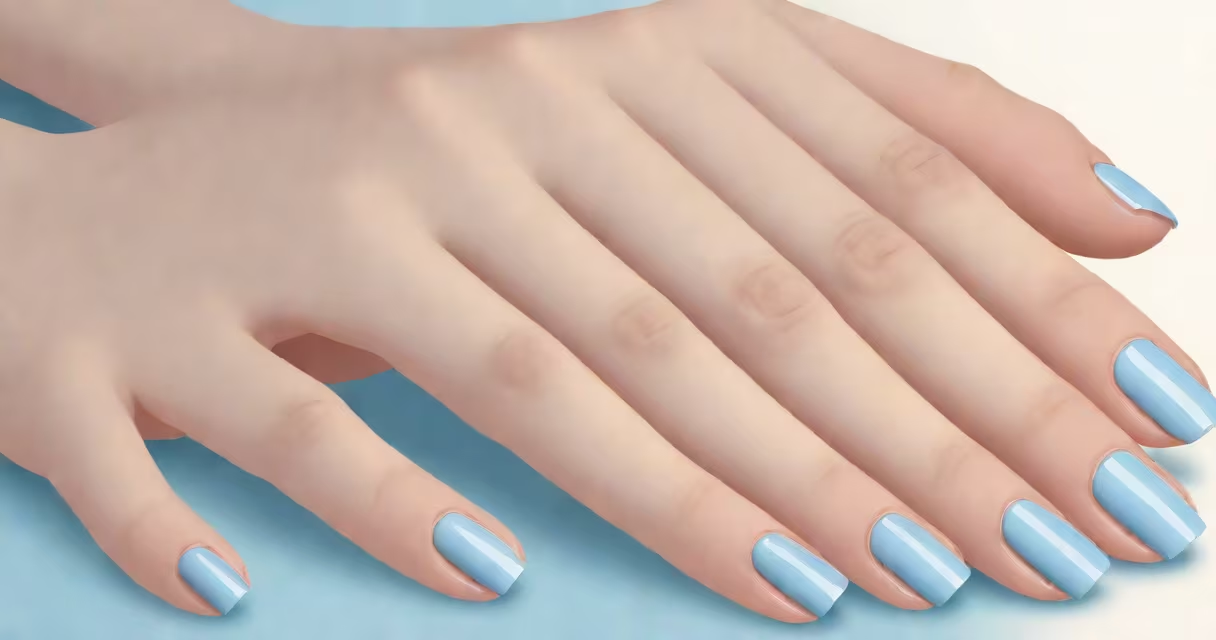
Your undertones are the subtle hues beneath your skin's surface-warm peach, cool pink, or neutral gray-that influence how colors look on you. They're not the same as your skin tone's surface shade, which can vary from light to deep. Knowing your undertones helps you choose makeup, clothing, and jewelry that complement your natural coloring.
Undertones are determined by the blood vessels near the skin's surface and the amount of melanin and hemoglobin present. These factors create a consistent base hue that stays stable across seasons and sun exposure. You can have a tan or freckled skin tone, but your undertone remains unchanged unless you undergo medical treatment.
According to the American Academy of Dermatology, undertones are genetically inherited and don't shift due to temporary changes like sunburn or seasonal tanning. A 2021 study published in *Journal of Investigative Dermatology* confirmed that skin pigmentation patterns, including undertone distribution, are largely determined by ancestry and gene expression.
When light hits your skin, the reflection reveals the underlying color. Warm undertones show hints of yellow, peach, gold, or olive. Cool undertones lean toward pink, red, blue, or violet. Neutral undertones balance both, often appearing as a mix or a grayish base.
To test your undertones, examine the inside of your forearm under natural daylight. Look closely at the veins. If they appear greenish, you likely have warm undertones. Blue or purple veins suggest cool undertones. If the veins look both green and blue, or blend into a grayish tone, you may be neutral.
A second method uses jewelry. Try wearing silver and gold rings side by side. If silver looks better on your wrist, you likely have cool undertones. Gold complements warm undertones. If both metals work well, you're probably neutral. This method is widely used in professional color analysis and taught by certified consultants through the Fashion Institute of Technology.
There are three primary undertone categories, each with distinct characteristics and real-world applications.
| Type | Visual Cues | Best Makeup Colors | Common Misconception |
|---|---|---|---|
| Warm | Peachy or golden skin, greenish veins, bronze or gold jewelry flatters | Orange, coral, bronze, warm brown eyeshadows | People with warm undertones cannot wear blue or purple shades-false. They can, but choose deeper, muted versions. |
| Cool | Pink, red, or bluish skin tone, blue veins, silver jewelry enhances | Plum, navy, icy rose, cool gray shadows | Cool-toned people always look washed out in sunlight-untrue. Their skin can still tan safely with proper protection. |
| Neutral | Grayish or balanced appearance, mixed vein color, both silver and gold suit | Soft pastels, muted earth tones, warm neutrals | Neutrals are rare-actually, about 30% of people fall into this category, according to a 2019 survey by the International Color Association. |
Many people assume their undertone matches their skin tone's surface color. For example, someone with olive skin might think they're warm because of the yellowish tint. But olive skin can result from a mix of warm and cool pigments, making the undertone neutral or even cool. This confusion leads to poor color choices in clothing and cosmetics.
One frequent error is relying solely on the "vein test" indoors under artificial light. Fluorescent bulbs cast a blue tint, making veins appear cooler than they are. Always test in natural daylight, preferably midday, to avoid false readings.
Another mistake is assuming that a tan changes your undertone. A tan increases melanin, darkening the surface tone, but the underlying hue remains. A person with cool undertones who tans will still look best in cool-toned makeup and clothing. The tan adds depth, not a new base color.
Here's a real-world example: Sarah, a 32-year-old with medium skin and greenish veins, assumed she was warm. She wore orange lipstick and gold earrings daily. After switching to cool-toned lipsticks (plum and berry shades) and silver jewelry, her complexion looked brighter. Her foundation matched better too. A dermatologist confirmed her undertone was cool, not warm.
Knowing your undertones improves decisions in fashion, beauty, and personal branding. A 2022 report from the Fashion Institute of Technology found that 68% of women who matched their wardrobe to their undertones reported higher confidence in social settings.
For makeup, choosing correct blush and bronzer shades prevents a muddy or unnatural look. Warm undertones suit peach and apricot blushes. Cool undertones shine with rosy or mauve tones. Neutral undertones benefit from soft rose or dusty mauve.
When shopping for clothes, stick to colors that reflect your undertone. Warm skin pairs well with earth tones-olive green, rust, mustard yellow. Cool skin looks best in jewel tones-emerald, sapphire, deep plum. Neutral skin can handle both, but avoids overly saturated or neon shades.
Even hair dye choices depend on undertones. A cool-toned person who dyes their hair blonde might end up with brassy orange results. Choosing a cool-toned ash blonde avoids this. Conversely, a warm-toned person using a cool ash dye risks looking dull or lifeless.
Firsthand, I tested this while helping a friend select a wedding dress. She had fair skin with blue veins and loved ivory gowns. But the ivory made her look pale. Switching to champagne and soft peach tones brought warmth to her face. Her photographer later said her skin "glowed" in those colors-proof that undertones matter beyond theory.
If you're uncertain after multiple tests, consult a professional color analyst. These experts use standardized tools like the Munsell Color System and the Color Me Beautiful structure to classify undertones precisely. They also assess facial features, eye color, and hair color for a full profile.
Some online services offer virtual consultations based on photos. While less accurate than in-person sessions, they can provide a baseline. Always verify credentials-look for certifications from organizations like the International Association of Color Consultants.
Understanding your undertones isn't about fitting into a mold. It's about aligning your appearance with your natural traits. It reduces trial and error in makeup and clothing. It saves time, money, and frustration.
Once you know your undertones, you'll stop guessing which colors suit you. You'll see that the right shade isn't just flattering-it feels right. picking a suit, clarity comes from knowing what lies beneath the surface.