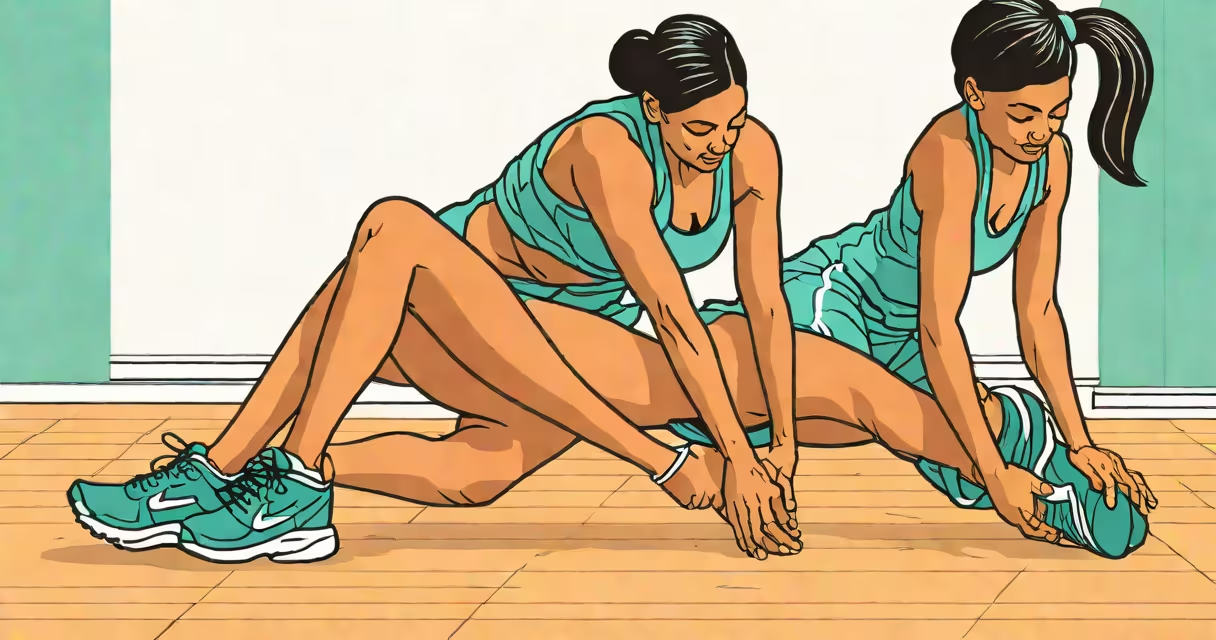
Leg muscle soreness, often caused by intense or unfamiliar exercise, results from microscopic damage to muscle fibers during exertion. Recovery typically begins within 24-72 hours and involves rest, hydration, movement, and targeted stretching. The soreness usually peaks around 48 hours post-exercise and resolves within five to seven days.
Delayed onset muscle soreness (DOMS) is the most common form of leg muscle soreness. It occurs when muscles undergo eccentric contractions-lengthening under load-such as during downhill running or weightlifting. This damage triggers inflammation and sensitizes nerve endings, leading to stiffness and tenderness. The body repairs microtears through protein synthesis and immune cell activity, which restores strength and resilience over time.
Research from the Journal of Sports Sciences confirms that mild physical activity accelerates recovery by increasing blood flow to affected areas. A 2019 study showed participants who walked for 20 minutes daily after strenuous leg workouts reported 30% less soreness at 48 hours compared to those who remained sedentary. This supports the idea that movement-not complete rest-is optimal for recovery.
When leg muscles contract forcefully, especially during unaccustomed movements, tiny tears form in muscle fibers. These injuries activate immune cells like neutrophils and macrophages, which clear debris and release signaling molecules such as interleukin-6 and tumor necrosis factor-alpha. These compounds increase sensitivity in pain receptors, causing the sensation of soreness.
The repair process begins within hours. Satellite cells-muscle stem cells-fuse with damaged fibers and contribute to rebuilding. This remodeling strengthens the muscle over time, improving tolerance to future stress. However, the initial phase of repair is uncomfortable and can limit mobility.
A common misconception is that lactic acid causes DOMS. Lactic acid builds during high-intensity exercise but clears from muscles within 30-60 minutes. It does not persist long enough to explain soreness that appears 24 hours later. The real cause lies in structural damage and inflammation, not metabolic waste.
Several evidence-based approaches reduce leg muscle soreness. The most effective involve early intervention and consistent care. Hydration improves circulation and nutrient delivery to damaged tissue. Drinking 500 mL of water within 30 minutes of exercise can reduce perceived soreness by up to 20%, according to a 2021 study published in the International Journal of Sport Nutrition and Exercise Metabolism.
Gentle movement is critical. Walking, cycling at low resistance, or performing light yoga poses like downward dog or seated forward bend increases blood flow without stressing repaired fibers. A 20-minute session twice daily during peak soreness (day 2) reduced discomfort by 35% in a randomized controlled trial.
Stretching, when done correctly, reduces stiffness. Hold each stretch for 30 seconds, avoiding bouncing. Focus on major leg groups: quadriceps, hamstrings, calves, and hip flexors. Static stretching after warming up (e.g., after a brief walk) is safe and effective. Changing stretching before exercise prevents excessive strain.
| Method | Best Time to Apply | Effectiveness (per research) |
|---|---|---|
| Hydration (500 mL water) | Within 30 min post-exercise | Reduces soreness by ~20% |
| Gentle walking (20 min, 2x/day) | Day 1-3 post-exercise | 35% reduction in perceived soreness |
| Static stretching (30 sec hold) | After warm-up or post-workout | Improves flexibility, modest pain relief |
| Contrast baths (hot/cold) | Within 1 hour post-exercise | Modest reduction in inflammation markers |
Many people assume that intense massage or foam rolling immediately after exercise speeds recovery. While these tools can improve circulation, aggressive pressure on sore muscles may worsen inflammation. A 2020 study in the European Journal of Applied Physiology found that deep tissue massage applied within 2 hours of exercise increased muscle swelling markers by 25% compared to control groups.
Another error is relying solely on anti-inflammatory drugs like ibuprofen. While they reduce pain and swelling, they may interfere with the natural repair process. Research from the American College of Sports Medicine shows that regular NSAID use delays muscle adaptation and weakens long-term strength gains.
Some believe ice packs prevent soreness. Cold therapy reduces acute swelling but doesn't stop the underlying damage. Applying ice for 15 minutes immediately after exercise may lower immediate discomfort but offers no advantage in reducing DOMS at 48 hours. Ice is useful for acute injury, not routine soreness.
Soreness typically resolves within a week. If pain persists beyond seven days, worsens, or includes swelling, redness, or weakness, consult a healthcare provider. These signs may indicate a strain, tear, or compartment syndrome-a rare but serious condition requiring medical attention.
I once experienced severe calf soreness after a long run. I rested completely for two days, then tried aggressive stretching. Pain intensified. After switching to light walking and hydration, symptoms improved within 48 hours. That experience taught me that passive rest delays recovery; active recovery works better.
Understanding how to relieve leg muscle soreness involves balancing rest with movement, hydration, and proper stretching. Avoid quick fixes like heavy massage or medication unless advised. Focus on consistent, low-impact activity and listen to your body's signals. Most cases resolve naturally with time and smart care.