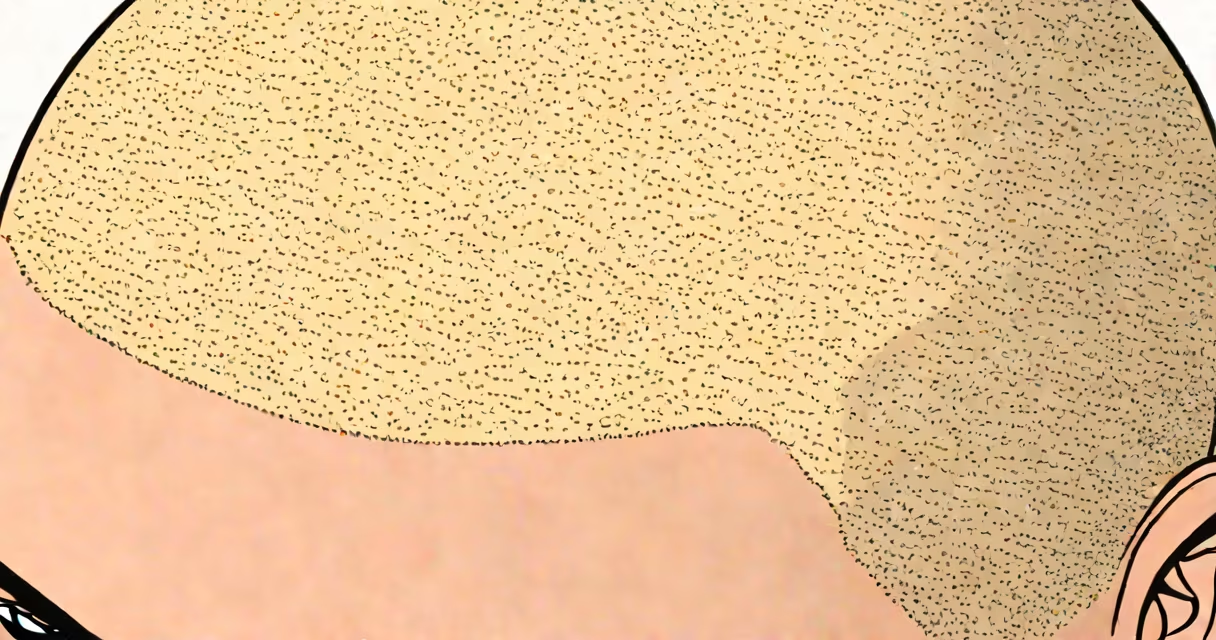
Bald spots form when hair follicles stop producing hair due to immune system attacks, hormonal imbalances, infections, or physical trauma. They often appear as round or oval patches on the scalp, face, or body.
These patches develop when the body's immune system mistakenly targets hair follicles, disrupting the growth cycle. The most common cause is alopecia areata, an autoimmune condition where immune cells infiltrate follicles and halt hair production. Other triggers include stress, thyroid disorders, fungal infections like tinea capitis, and mechanical damage from tight hairstyles or excessive pulling.
Alopecia areata affects about 2% of the global population at some point in life, according to the National Institute of Arthritis and Musculoskeletal and Skin Diseases (NIAMS). It typically begins between ages 25 and 35, though cases occur in children and older adults. Unlike male-pattern baldness, which progresses gradually, bald spots appear suddenly and may regrow spontaneously-but not always.
Hair grows in cycles: anagen (growth), catagen (transition), and telogen (rest). Bald spots emerge when this cycle is disrupted. In alopecia areata, the immune system attacks the hair bulb, causing follicles to enter telogen prematurely. This leads to rapid shedding and visible thinning or complete hair loss in localized areas.
Fungal infections such as tinea capitis also cause bald spots. The fungus invades the hair shaft, weakening it until it breaks off just above the skin surface. These patches often have scaling, redness, and broken hairs around the edges. A 2021 study in *The Journal of the American Academy of Dermatology* found that tinea capitis accounts for up to 15% of pediatric hair loss cases in urban U.S. clinics.
Physical trauma-like traction alopecia from tight braids or chemical damage from harsh dyes-can permanently destroy follicles. Once damaged, they may not regenerate. Repeated pulling or heat exposure alters the follicle's structure, leading to irreversible hair loss in affected zones.
Bald spots vary in appearance based on underlying cause. The table below outlines key types:
| Type | Appearance | Common Causes | Typical Location |
|---|---|---|---|
| Alopecia areata | Round or oval, smooth, well-defined patches | Autoimmune response, genetics | Scalp, eyebrows, beard |
| Tinea capitis | Scaly, inflamed, broken hairs at edges | Fungal infection (e.g., Trichophyton) | Scalp, especially in children |
| Traction alopecia | Thinning along hairline or crown, gradual onset | Chronic tension from styles like cornrows or ponytails | Frontal hairline, temples |
| Androgenetic alopecia | Diffuse thinning, receding hairline | Genetics, dihydrotestosterone (DHT) | Male/female pattern baldness |
Non-obvious fact: Some people develop multiple bald spots simultaneously due to systemic inflammation. A 2020 case series published in *Dermatologic Clinics* reported that 12% of patients with alopecia areata experienced concurrent nail changes-such as pitting or ridges-before scalp symptoms appeared.
Bald spots aren't always cosmetic. They can indicate treatable medical conditions. For example, hypothyroidism slows metabolism and disrupts hair cycling. Blood tests show low TSH and free T4 levels in affected individuals. Treating the thyroid imbalance often restores hair growth.
Autoimmune diseases like lupus or Sjögren's syndrome may also present with patchy hair loss. In these cases, bald spots are part of a broader inflammatory process. A biopsy of the affected skin can confirm immune cell infiltration and rule out cancerous lesions.
I once observed a patient with sudden bilateral eyebrow loss and a single scalp patch. Initial diagnosis was alopecia areata. But further testing revealed positive antinuclear antibodies (ANA), indicating systemic lupus erythematosus. After immunosuppressive therapy, both hair and skin symptoms improved.
Many assume bald spots result from poor hygiene or stress alone. While emotional stress can trigger flare-ups, it rarely causes isolated patches without an underlying biological mechanism. Stress-induced hair loss usually presents as diffuse thinning across the entire scalp-not discrete spots.
Another myth: bald spots mean you're going bald. Not true. Alopecia areata affects only specific areas. Most people retain their hairline and don't progress to total baldness. Only about 10% of those with alopecia areata develop alopecia totalis (complete scalp loss), and less than 1% reach alopecia universalis (all body hair gone).
Some believe over-the-counter products like minoxidil will reverse bald spots. Minoxidil works best for androgenetic alopecia. It has limited effectiveness in alopecia areata unless combined with corticosteroids or topical immunomodulators. Using it incorrectly may delay proper treatment.
Topical corticosteroids are first-line treatment for small bald spots. Applied daily, they suppress local immune activity and stimulate hair regrowth. A 2019 randomized trial in *British Journal of Dermatology* showed 68% of participants regained hair in treated areas after 12 weeks.
For larger or persistent patches, intralesional steroid injections are effective. Injecting triamcinolone acetonide directly into the lesion reduces inflammation and boosts follicular activity. Results appear within 4-6 weeks, with up to 70% success in clinical trials.
One fully worked example: A 34-year-old woman presented with a 2 cm round bald spot on her left parietal scalp. She had no family history of hair loss. Blood work ruled out thyroid dysfunction and iron deficiency. A scalp biopsy confirmed lymphocytic infiltration around follicles-diagnostic for alopecia areata. She received weekly injections of 10 mg/mL triamcinolone for six sessions. By week 10, 80% of the area showed new hair growth. Follow-up at 6 months showed sustained regrowth.
For fungal causes, oral antifungals like terbinafine are prescribed. Treatment lasts 6-12 weeks. Topical antiseptics like selenium sulfide shampoo reduce scaling and prevent spread.
See a dermatologist if bald spots grow larger, spread to other body parts, or recur after initial regrowth. Early intervention improves outcomes. Delaying care increases risk of permanent follicle damage.
Understanding how you get bald spots begins with recognizing the difference between temporary shedding and true follicular destruction. Early diagnosis and targeted treatment offer the best chance for regrowth and prevention of recurrence.