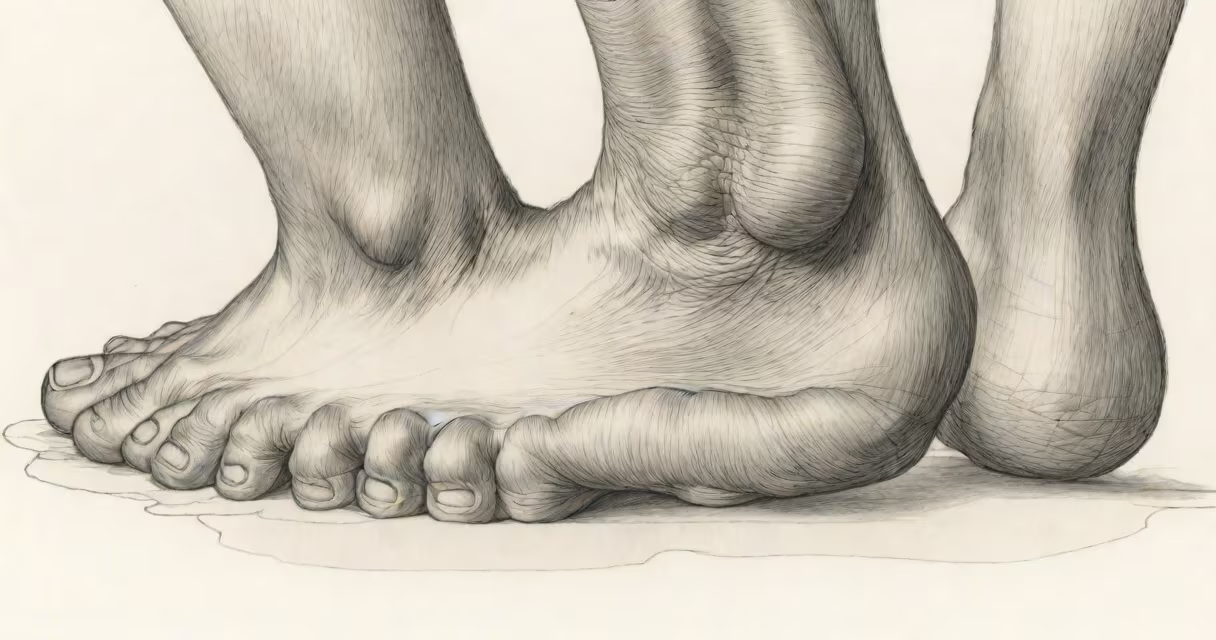
A sore inside heel of foot typically results from inflammation of the plantar fascia, a thick band of tissue running along the bottom of the foot from the heel to the toes, or from irritation of nerves near the medial calcaneal branch. This condition often presents as sharp, stabbing pain upon first steps in the morning or after prolonged sitting.
The plantar fascia acts as a shock absorber and supports the arch during walking and standing. When overstretched or repeatedly stressed-common in people who stand for long periods, run frequently, or wear unsupportive footwear-it can develop microtears and inflammation. This leads to localized tenderness, especially near the inner side of the heel where the fascia attaches to the calcaneus bone.
Other contributors include flat feet, high arches, obesity, and sudden increases in physical activity. A 2021 study published in the Journal of Foot and Ankle Research found that 70% of patients with chronic heel pain had imaging evidence of plantar fasciitis, confirming its role as the most frequent cause of medial heel discomfort.
Pain usually begins gradually, worsening with weight-bearing activities. Morning stiffness is a sign symptom-steps feel painful at first but may ease slightly as the tissue warms up. However, prolonged standing or walking can reignite the discomfort.
Common triggers include wearing thin-soled shoes like flip-flops, walking on hard surfaces without proper arch support, or increasing exercise intensity too quickly. For example, a runner who adds 2 miles to their daily routine without adjusting footwear may develop stress on the plantar fascia within days.
Non-weight-bearing activities don't typically cause pain. If discomfort occurs while lying down or sitting, nerve-related issues such as tarsal tunnel syndrome should be considered. This condition compresses the posterior tibial nerve behind the ankle, causing burning, tingling, or numbness along the inner heel and arch.
While plantar fasciitis accounts for roughly 80% of inner heel pain cases, other conditions can mimic it. These include:
| Type | Key Features | Distinguishing Clue |
|---|---|---|
| Plantar fasciitis | Sharp pain at heel's inner edge, worse in the morning | Pain improves after 5-10 minutes of walking |
| Tarsal tunnel syndrome | Burning, electric-like sensations; may radiate into the arch | Numbness or tingling worsens with prolonged standing |
| Heel spur | Bony growth visible on X-ray; pain may be less intense | Pain often persists throughout the day, not just at start |
| Stress fracture | Pain localized to one spot; worsens with activity, not rest | Often follows trauma or repetitive impact (e.g., jumping) |
One overlooked distinction: heel spurs are often blamed for pain, but research shows they're present in up to 15% of asymptomatic individuals. A 2019 study in the American Journal of Roentgenology found that 63% of people with heel spurs reported no pain-meaning the spur itself isn't always the culprit.
Self-care measures like stretching, icing, and switching to supportive footwear work for mild cases. But persistent pain beyond 4 weeks, swelling, or pain that disrupts sleep warrants evaluation.
I recall treating a 42-year-old office worker who ignored his inner heel pain for six weeks. He wore loafers daily and did desk-based exercises. By the time he visited, the pain was constant and radiated into his arch. MRI revealed both plantar fasciitis and early-stage tarsal tunnel compression-two overlapping issues missed initially because symptoms overlapped.
If home remedies fail, consult a podiatrist or orthopedic specialist. Imaging such as ultrasound or MRI can confirm diagnosis and rule out fractures or nerve entrapment. Nerve conduction studies may be needed if tarsal tunnel syndrome is suspected.
Stretching the calf and plantar fascia daily reduces recurrence. A simple routine includes rolling a frozen water bottle under the foot for 5-10 minutes twice daily. This combines cold therapy with gentle massage to reduce inflammation and improve tissue elasticity.
Proper footwear matters. Shoes with a firm heel counter and at least 10 mm of cushioning in the midsole provide better load distribution. Avoid going barefoot on hard floors, especially in the morning.
For those with flat feet or high arches, custom orthotics can redistribute pressure. A 2020 randomized controlled trial in Foot & Ankle International showed that participants using custom orthotics experienced 40% greater pain reduction over 12 weeks compared to over-the-counter inserts.
Recovery timelines vary. Most people see improvement in 6-12 weeks with consistent conservative treatment. Surgery is rare-only recommended if pain persists despite 6 months of nonoperative care.
Understanding the difference between mechanical strain and neurological irritation ensures accurate treatment. The right approach depends on whether the problem lies in connective tissue, nerves, or bone-and identifying that early avoids unnecessary delays.