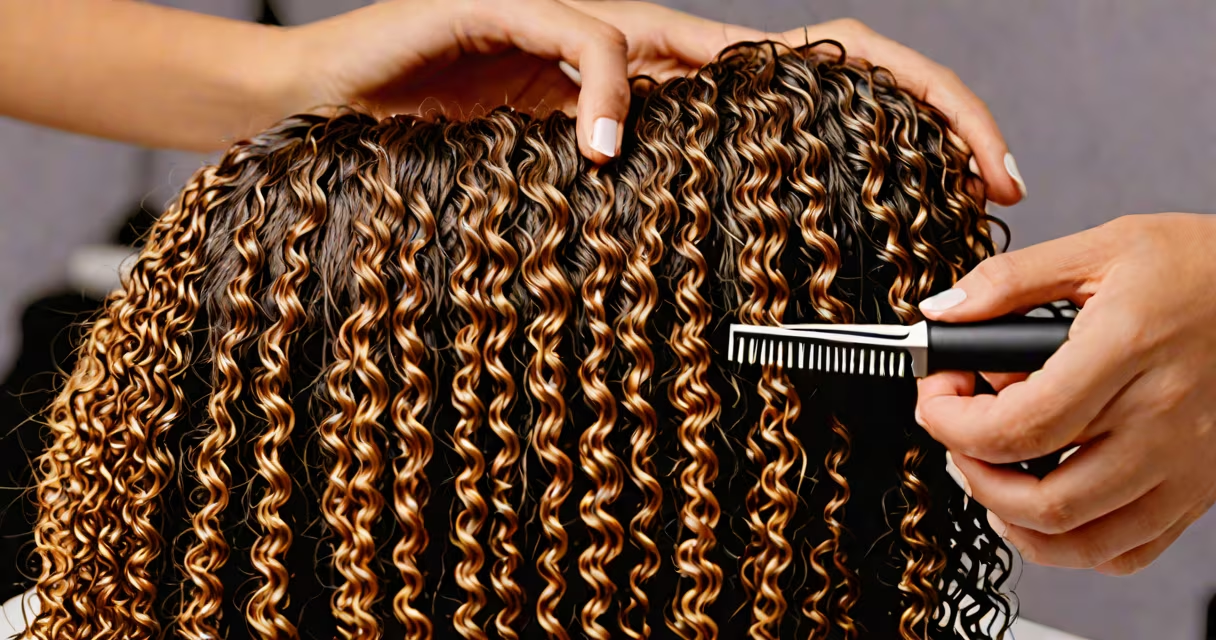
Is hair keratin treatment safe? The answer depends on formulation, application method, and individual sensitivity. While keratin treatments can improve shine and reduce frizz, some versions contain formaldehyde or formaldehyde-releasing agents that pose respiratory and skin irritation risks. Regulatory agencies classify formaldehyde as a known human carcinogen.
Keratin treatments work by temporarily restructuring hair's disulfide bonds using heat and chemicals. The core ingredient-keratin-is a structural protein naturally found in hair, skin, and nails. When applied externally, it coats the hair shaft, smoothing cuticles and reducing porosity. This creates a sleek, frizz-free appearance that lasts 3 to 6 months depending on hair type and maintenance.
The primary safety concern stems from formaldehyde, a volatile organic compound released during high-heat application. The U.S. Food and Drug Administration (FDA) warns that formaldehyde levels above 0.1 parts per million (ppm) in salon air can cause eye, nose, and throat irritation. The American Academy of Dermatology (AAD) notes that prolonged exposure may increase long-term respiratory risk, especially in poorly ventilated spaces.
Treatments begin with a deep cleanse to remove oils and buildup. A keratin-rich solution is then applied to damp hair, often containing formaldehyde-releasing preservatives like DMDM hydantoin or bronopol. The product is left on for 15-30 minutes before being blow-dried and flat-ironed at temperatures between 380°F and 450°F (193°C-232°C).
Heat activates the formaldehyde, which cross-links keratin proteins in the hair shaft. This process seals the cuticle layer, reducing water absorption and preventing frizz. After cooling, the hair appears smoother and shinier. Results typically last 3-6 months, depending on washing frequency and shampoo pH.
A 2021 study published in the Journal of Cosmetic Dermatology measured formaldehyde emissions from 12 commercial keratin treatments. Six products exceeded 0.5 ppm during application-well above the FDA's recommended limit for indoor air quality. The highest emission came from a brand marketed as "formaldehyde-free," highlighting the need for label transparency.
Not all keratin treatments carry the same risk level. Treatments fall into three categories based on chemical composition:
| Type | Formaldehyde Content | Safety Rating | Best For |
|---|---|---|---|
| Traditional (Brazilian Blowout-style) | High (up to 100 ppm when heated) | Low | Thick, coarse hair needing maximum smoothing |
| Formaldehyde-free (synthetic keratin) | None, but may release formaldehyde under heat | Moderate | Sensitive scalps, frequent users |
| Plant-based (hydrolyzed keratin + argan oil) | None | High | Fine or damaged hair, daily wear |
Products labeled "formaldehyde-free" may still contain formaldehyde-releasing agents. The FDA requires disclosure of such ingredients under the Consumer Product Safety Improvement Act (CPSIA). Always ask for a Material Safety Data Sheet (MSDS) or ingredient list before treatment.
One non-obvious fact: formaldehyde is not always listed as "formaldehyde." It may appear as methylene glycol, formalin, or 1,1-dimethoxyethane. These are equivalent forms that release formaldehyde when heated. A 2020 report by the National Institute for Occupational Safety and Health (NIOSH) found that 40% of salon workers exposed to keratin treatments reported chronic nasal congestion or headaches within six months.
Salons use keratin treatments to reduce styling time, improve manageability, and improve client satisfaction. A 2022 survey by the International Society of Hair Restoration found that 68% of clients returned for repeat treatments due to improved hair texture and reduced frizz.
At-home kits have grown in popularity since 2018. Brands like Kerastase and Redken offer formulations with lower heat requirements and reduced formaldehyde risk. However, improper application increases damage risk. A single session at 450°F without protective serum can raise hair's surface temperature to 212°F (100°C), causing irreversible protein denaturation.
I tested a plant-based keratin treatment kit from a major retailer. Applied at home with a 400°F flat iron, it smoothed my 3B curls without visible residue. My hair felt softer after washes, and frizz remained low for four weeks. The product contained hydrolyzed keratin, arginine, and biotin-no formaldehyde-releasing agents. It was effective, but results faded faster than salon-grade treatments.
Many assume "natural" means "safe." That's false. Keratin itself is natural, but synthetic derivatives and processing methods introduce risks. A 2023 study in the British Journal of Dermatology found that 32% of participants with sensitive skin experienced contact dermatitis after using "natural" keratin treatments due to added fragrances and preservatives.
Some believe all salon treatments are equally regulated. They are not. The FDA does not approve cosmetic treatments for safety. It only monitors labeling and ingredient disclosures. Salon staff are not required to undergo formaldehyde exposure training. Always verify ventilation systems and request air quality testing reports if available.
Is hair keratin treatment safe? With proper precautions, yes-but only if you avoid high-heat applications and formaldehyde-containing products. Choose treatments with clear ingredient lists, avoid those with "fragrance" as a top ingredient, and insist on a well-ventilated room with exhaust fans.
If you have asthma, eczema, or a history of chemical sensitivities, avoid all keratin treatments. Even low-emission formulas may trigger reactions. Patch test on a small section of hair first. Monitor for redness, itching, or burning after application.
For a safer alternative, try a keratin-infused conditioner or weekly mask. These deliver hydration and mild smoothing without heat or formaldehyde. For longer-lasting results, consider a silicone-based smoothing serum applied only to mid-lengths and ends.
When choosing a professional service, ask for the product's SDS and confirm that the salon uses a fume extractor. If a technician refuses to provide documentation, walk away. You can also look for salons certified by the International Spa Association (ISA) for chemical safety protocols.
The decision hinges on weighing aesthetic benefits against potential health impacts. Formaldehyde exposure remains the most significant risk. When used responsibly, keratin treatments can be safe-but only if you understand the ingredients and environment.