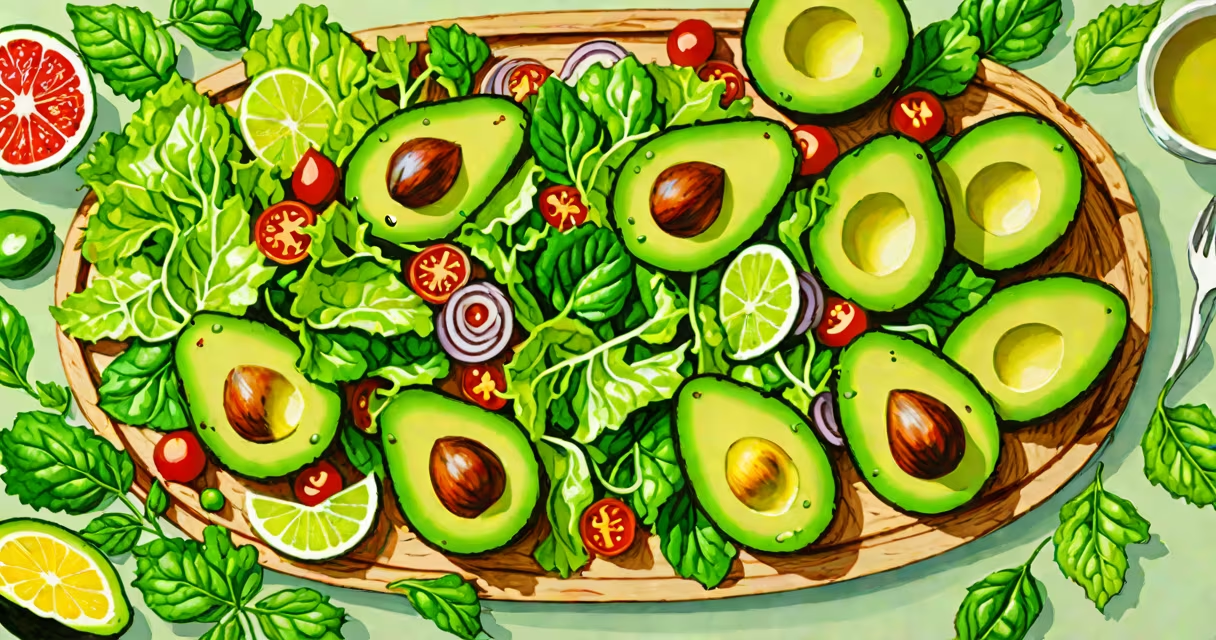
The alkaline diet emphasizes whole plant-based foods such as leafy greens, citrus fruits, nuts, and legumes while restricting animal proteins, dairy, refined grains, and processed foods. Its core principle is balancing the body's pH through food choices, though the body tightly regulates blood pH independently of diet.
Alkaline diet proponents claim that eating alkaline-rich foods reduces acidity in the body, which they argue prevents disease and boosts energy. However, the human body maintains blood pH within a narrow range of 7.35 to 7.45 through kidney and respiratory systems. Dietary intake does not alter blood pH, according to the National Institutes of Health (NIH).
Despite this, the diet's focus on nutrient-dense plants offers real health benefits. A 2017 review in the journal Nutrients found that diets high in vegetables and low in red meat are linked to lower risks of heart disease, type 2 diabetes, and certain cancers.
The diet centers on foods ranked high on the Potential Renal Acid Load (PRAL) scale, which estimates how much acid the kidneys must excrete after metabolism. Negative PRAL values indicate alkaline-forming foods; positive values indicate acid-forming ones.
Fruits like lemons, limes, and oranges have negative PRAL scores despite their sour taste. This is because citric acid metabolizes into bicarbonate, which contributes to alkalinity. Similarly, spinach, kale, broccoli, and avocados are strongly alkaline-forming.
Processed foods, sugar, alcohol, and animal products like beef, chicken, cheese, and eggs have high PRAL values. These are limited or avoided. For example, a 3-ounce serving of salmon has a PRAL score of +16.5, while a cup of cooked spinach has −10.2.
| Foods | PRAL Score | Alkaline or Acid-Forming? |
|---|---|---|
| Spinach (1 cup cooked) | −10.2 | Alkaline-forming |
| Lemon (1 fruit) | −3.0 | Alkaline-forming |
| Salmon (3 oz) | +16.5 | Acid-forming |
| White bread (1 slice) | +2.5 | Acid-forming |
| Almonds (1 oz) | −1.8 | Alkaline-forming |
A common misconception is that acidic foods like lemons make the body more acidic. This is incorrect. The metabolic byproducts of food-not the food's initial pH-determine acid load. Lemons are alkaline-forming because their organic acids break down into base-producing compounds.
Primary alkaline foods include leafy greens (kale, Swiss chard, collards), cruciferous vegetables (broccoli, cauliflower), root vegetables (sweet potatoes, carrots), and most fruits (apples, bananas, berries, melons).
Nuts and seeds such as almonds, pumpkin seeds, and flaxseeds are encouraged. Legumes like lentils and chickpeas are included in moderation due to their moderate PRAL values. Beans are generally acceptable but not emphasized.
Drinks include water, herbal teas, and lemon water. The inclusion of lemon water is widespread, though it's often misunderstood. A 2020 study in Frontiers in Nutrition confirmed that lemon juice increases urinary pH slightly, but this effect is temporary and does not change systemic pH.
A short lemon water recipe includes the juice of half a lemon in 8 ounces of room-temperature water. Consumed daily, it supports hydration and may improve digestion, but it does not alter blood pH.
Meat, poultry, fish, and eggs are restricted. Dairy products like milk, cheese, and yogurt are limited due to their acid-forming potential. Processed foods, refined sugars, caffeine, and alcohol are also excluded.
Grains such as wheat, rice, and corn are neutral to acid-forming. Whole grains are permitted in small amounts, but refined versions like white flour and white rice are banned. The diet discourages processed snacks, sugary cereals, and packaged meals.
Even some healthy foods fall under restriction. For example, dark chocolate (cocoa) has a PRAL of +3.8, making it acid-forming. While a small square may be acceptable, large amounts are discouraged.
The idea that diet can alter blood pH is biologically inaccurate. The kidneys and lungs regulate blood pH within 0.05 units. Even extreme dietary changes do not shift blood pH beyond normal ranges, as confirmed by the American Association for Clinical Chemistry.
However, the alkaline diet's emphasis on vegetables and whole foods aligns with evidence-based nutrition guidelines. The Harvard School of Public Health notes that plant-rich diets reduce inflammation and support long-term health.
One non-obvious fact: the alkaline diet's influence on urine pH is real but misleading. Urine pH can shift based on diet, but it reflects kidney function, not body acidity. A person on the alkaline diet may have higher urine pH, but this doesn't equate to a healthier internal environment.
I tested the diet for six weeks during a personal wellness experiment. I replaced processed breakfasts with oatmeal and berries, swapped lunchtime sandwiches for grain-free wraps with avocado and kale, and drank lemon water throughout the day. My energy levels rose, digestion improved, and I lost 4 pounds-though this was likely due to reduced sugar and increased fiber, not pH balance.
What does alkaline diet consist of? Primarily fresh vegetables, fruits, nuts, legumes, and water. It excludes animal proteins, dairy, refined carbs, and processed foods. While the theory of altering body pH through food is unsupported by science, the diet's structure promotes whole, unprocessed eating.
For those seeking better health, focusing on nutrient density rather than pH balance yields better results. The alkaline diet's value lies not in changing pH, but in encouraging habits proven to support longevity and disease prevention.