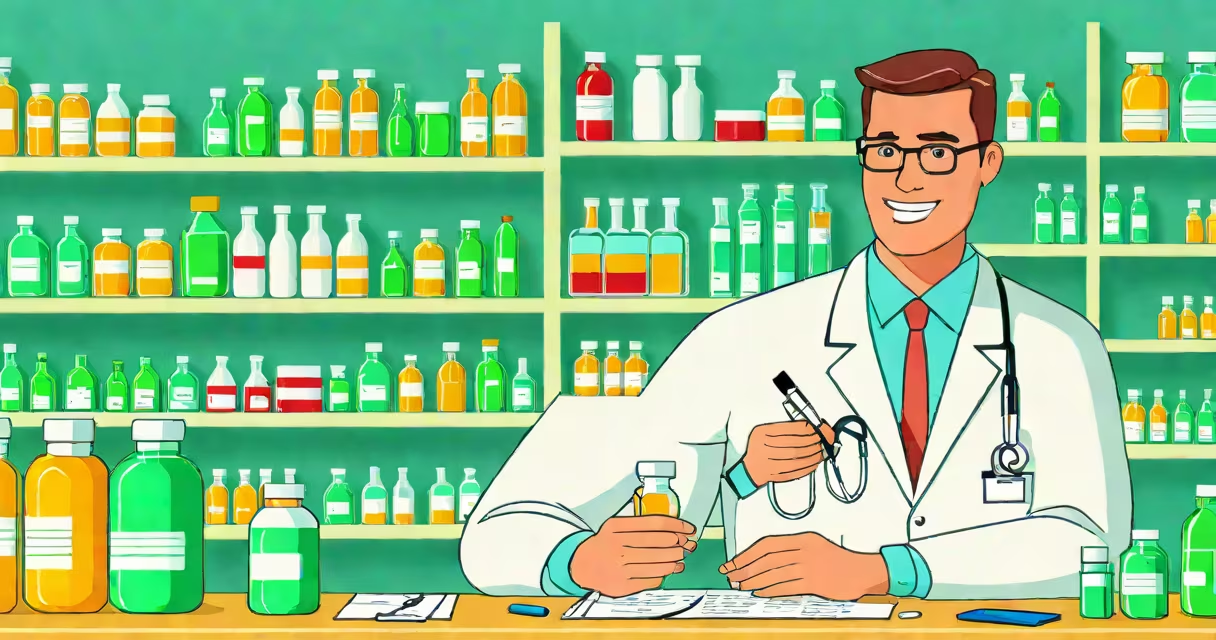
A pharmacy is a healthcare setting where licensed pharmacists prepare, dispense, and manage prescription medications, provide clinical advice, and monitor patient therapy. It serves as a critical link between prescribers and patients, ensuring safe, effective medication use. The term also refers to the professional field dedicated to optimizing drug therapy outcomes.
Pharmacies operate under strict regulatory oversight. In the U.S., the Food and Drug Administration (FDA) and state boards of pharmacy enforce standards for storage, labeling, and handling of medications. Pharmacists must complete a Doctor of Pharmacy (PharmD) degree, pass licensing exams, and maintain continuing education to practice.
Pharmacy is not just about filling prescriptions. It includes medication therapy management (MTM), vaccine administration, chronic disease monitoring, and patient counseling. For example, a pharmacist may review a diabetic patient's insulin regimen, adjust dosing based on blood glucose logs, and recommend lifestyle changes-all within the scope of pharmacy practice.
When a physician writes a prescription, it goes to a pharmacy either electronically or via paper. The pharmacist verifies the order against the patient's medical history, checks for drug interactions, confirms dosage appropriateness, and ensures the correct formulation is prepared. This process prevents errors such as incorrect dosing or adverse reactions.
For instance, a doctor prescribes warfarin for a patient with atrial fibrillation. The pharmacist reviews the patient's recent INR (International Normalized Ratio) results, notes a low platelet count, and flags the prescription for the provider. Without this intervention, the patient could face bleeding risks. According to the Institute of Medicine, medication errors cause over 7,000 deaths annually in the U.S.-pharmacists reduce this risk through verification.
Pharmacies also handle compounding, where custom formulations are created for patients who cannot tolerate standard versions. A child allergic to a dye in liquid antibiotics might receive a compounded version without the allergen. The United States Pharmacopeia (USP) sets standards for compounding practices, including sterile technique and documentation.
Pharmacies exist in multiple environments, each with distinct responsibilities:
| Type | Primary Role | Example |
|---|---|---|
| Community Pharmacy | Dispensing retail prescriptions, offering immunizations, managing chronic conditions | Walgreens, CVS, independent local pharmacies |
| Hospital Pharmacy | Compounding IV medications, managing drug formularies, supporting ICU therapy | Pharmacy department in a teaching hospital |
| Industrial Pharmacy | Research, development, and manufacturing of new drugs | Pharmaceutical companies like Pfizer or Merck |
| Managed Care Pharmacy | Reviewing drug utilization, negotiating formulary access, managing costs | Pharmacy benefit managers (PBMs) like Express Scripts |
Each setting requires specialized training. Hospital pharmacists often complete a residency program focused on critical care or oncology. Industrial pharmacists may hold advanced degrees in medicinal chemistry or pharmacokinetics.
Many people confuse pharmacy with pharmacy tech roles. While pharmacy technicians assist with dispensing tasks under supervision, only licensed pharmacists can approve prescriptions, counsel patients, and make therapeutic decisions. The National Association of Boards of Pharmacy (NABP) reports that over 90% of dispensing errors originate from technician workflow issues-not pharmacist oversight.
Another misconception is that pharmacy is purely transactional. In reality, pharmacists conduct medication therapy management (MTM) sessions that improve adherence and reduce hospitalizations. A 2021 study in *The Annals of Pharmacotherapy* found that patients receiving MTM from pharmacists had a 30% lower rate of emergency department visits compared to those who did not.
Some assume all pharmacies offer the same services. Community pharmacies vary widely in staffing and capabilities. A rural pharmacy may lack automated dispensing systems or staff trained in geriatric medication reviews. The American Pharmacists Association (APhA) estimates that 60% of community pharmacies have at least one pharmacist available during extended hours, but availability depends on location and funding.
Consider a 68-year-old woman with hypertension, type 2 diabetes, and osteoarthritis. She arrives at her local pharmacy with five prescriptions: lisinopril, metformin, glipizide, celecoxib, and a statin. The pharmacist reviews her profile and notices she recently started taking a new over-the-counter pain reliever containing naproxen.
Naproxen increases the risk of kidney damage in patients on ACE inhibitors like lisinopril. The pharmacist contacts the prescribing physician, explains the interaction, and suggests switching to acetaminophen. The doctor agrees, and the prescription is adjusted. The pharmacist then provides written instructions on timing, side effects, and when to seek help.
This scenario illustrates how pharmacy extends beyond filling bottles. It involves clinical judgment, communication, and ongoing patient safety. The pharmacist also schedules a follow-up call in two weeks to check blood pressure and assess medication tolerance-part of a structured care plan.
Pharmacy is not just a place. It is a profession grounded in science, ethics, and patient-centered care. Whether in a clinic, hospital, or retail store, pharmacists ensure medications work safely and effectively. Understanding what pharmacy means clarifies its important role in public health.