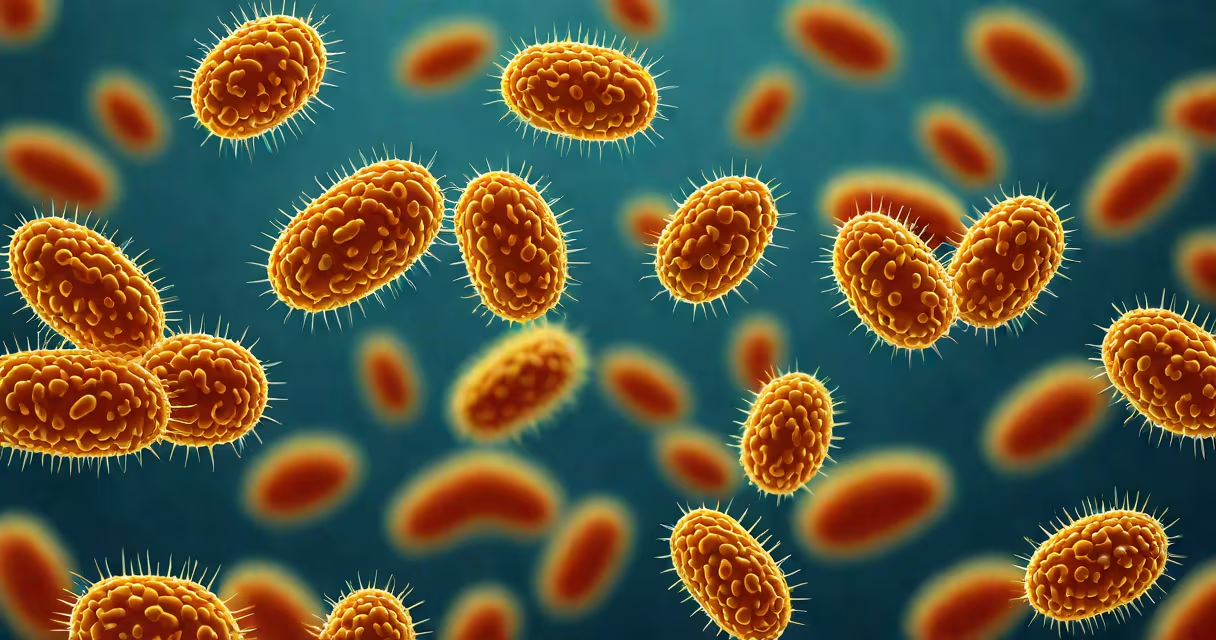
Salmonella is a type of Gram-negative bacterium that causes salmonellosis, a common form of foodborne illness. It is transmitted through contaminated food, especially undercooked poultry, eggs, raw produce, and unpasteurized dairy products. The term refers both to the organism and the disease it causes.
Salmonella belongs to the family Enterobacteriaceae and includes over 2,600 serotypes. The most frequently isolated strains in human infections are Salmonella enterica serovar Typhimurium and Salmonella enterica serovar Enteritidis. These bacteria survive in low-moisture environments and can persist on dry surfaces for weeks.
When ingested, Salmonella invades the intestinal lining, triggering inflammation and fluid secretion. The incubation period ranges from 6 to 72 hours after exposure. Symptoms typically last four to seven days and include diarrhea, fever, abdominal cramping, nausea, and vomiting. Severe cases may lead to dehydration or bacteremia, particularly in young children, older adults, and immunocompromised individuals.
Salmonella enters the body through the mouth, usually via contaminated food or water. Once in the gastrointestinal tract, it uses specialized structures called type III secretion systems to inject effector proteins into host cells. This allows the bacterium to invade intestinal epithelial cells and replicate intracellularly.
The immune system responds with inflammatory cytokines such as interleukin-8, which recruits neutrophils and macrophages. This leads to tissue damage and the characteristic watery diarrhea seen in infected individuals. The bacteria can also survive inside macrophages, evading immune detection and contributing to prolonged shedding in stool.
A 2021 CDC report identified Salmonella as responsible for approximately 1.35 million infections annually in the United States, resulting in 26,500 hospitalizations and 420 deaths. The majority of cases stem from consumption of contaminated chicken, eggs, and leafy greens. Outbreaks have been linked to pet reptiles, live poultry, and raw sprouts.
Food is the primary vehicle for Salmonella transmission. High-risk foods include:
Outbreaks often trace back to farm-level contamination. For example, in 2018, a multistate outbreak involving 1,034 cases was linked to contaminated papayas imported from Mexico. The contamination likely occurred during harvesting or packing due to contact with animal feces or poor sanitation practices.
Person-to-person spread is rare but possible, especially in childcare centers or nursing homes where hygiene standards may lapse. Fecal shedding can continue for weeks after symptom resolution, making asymptomatic carriers a potential risk.
Diagnosis begins with a stool sample collected during acute illness. Laboratory testing confirms the presence of Salmonella using selective media like XLD agar or MacConkey agar. Molecular methods such as PCR are increasingly used for rapid identification.
Most healthy individuals recover without antibiotics. Treatment focuses on hydration and electrolyte replacement. Antibiotics like ciprofloxacin or azithromycin are reserved for severe cases, pregnant women, or those with compromised immunity. Overuse of antibiotics contributes to antimicrobial resistance, with some strains showing resistance to multiple drugs.
Prevention relies on proper food handling. The U.S. Department of Agriculture recommends cooking poultry to an internal temperature of 165°F (74°C) and avoiding cross-contamination between raw meat and ready-to-eat foods. Handwashing after handling pets, especially reptiles and chicks, reduces zoonotic transmission risk.
| Type of Exposure | Common Source | Incidence Rate (US, annual) |
|---|---|---|
| Foodborne | Eggs, poultry, produce | 1.35 million cases |
| Zoonotic | Pet turtles, chicks, snakes | ~100 cases reported |
| Waterborne | Contaminated wells, untreated tap water | ~50 cases |
One notable case involved a 2019 outbreak traced to contaminated ground turkey. The Centers for Disease Control and Prevention (CDC) identified 159 illnesses across 28 states. The strain matched isolates from retail packages, confirming a supply chain issue. The company recalled 36,000 pounds of product, underscoring how a single batch can affect thousands.
Salmonella is not the same as E. coli O157:H7, though both cause foodborne illness. While Salmonella typically causes fever and cramping, E. coli O157:H7 leads to bloody diarrhea and hemolytic uremic syndrome (HUS), a kidney failure condition. Misidentifying the pathogen delays appropriate treatment.
Another misconception is that refrigeration kills Salmonella. Cold temperatures slow bacterial growth but do not eliminate the organism. A 2020 study published in the Journal of Food Protection showed that Salmonella survived at 4°C (39°F) for over 100 days in egg whites. Reheating contaminated food to safe temperatures is essential.
I once observed a kitchen staff member discard a container of leftover chicken salad because it had sat out for six hours. The decision was correct-bacteria grow rapidly above 40°F-but the team believed the food was safe after refrigerating it later. They didn't realize that toxins produced by Salmonella during the time it sat at room temperature are heat-stable and cannot be destroyed by reheating.
Post-infectious complications occur in about 1 in 1,000 cases. Reactive arthritis may develop weeks after recovery, characterized by joint pain, eye inflammation, and urinary tract issues. This condition is associated with the HLA-B27 genetic marker and can persist for months or years.
Chronic gut dysfunction, including irritable bowel syndrome (IBS), has been documented in up to 10% of patients following Salmonella infection. A 2022 longitudinal study in The Lancet Gastroenterology & Hepatology found that altered gut microbiota composition persisted for over a year post-infection, suggesting lasting changes to intestinal immunity.
Understanding what Salmonella means goes beyond knowing it causes food poisoning. It involves recognizing its transmission routes, public health impact, and long-term risks. Preventive measures remain the most effective strategy. Always cook meat thoroughly, wash hands after handling animals, and avoid consuming raw or undercooked eggs.