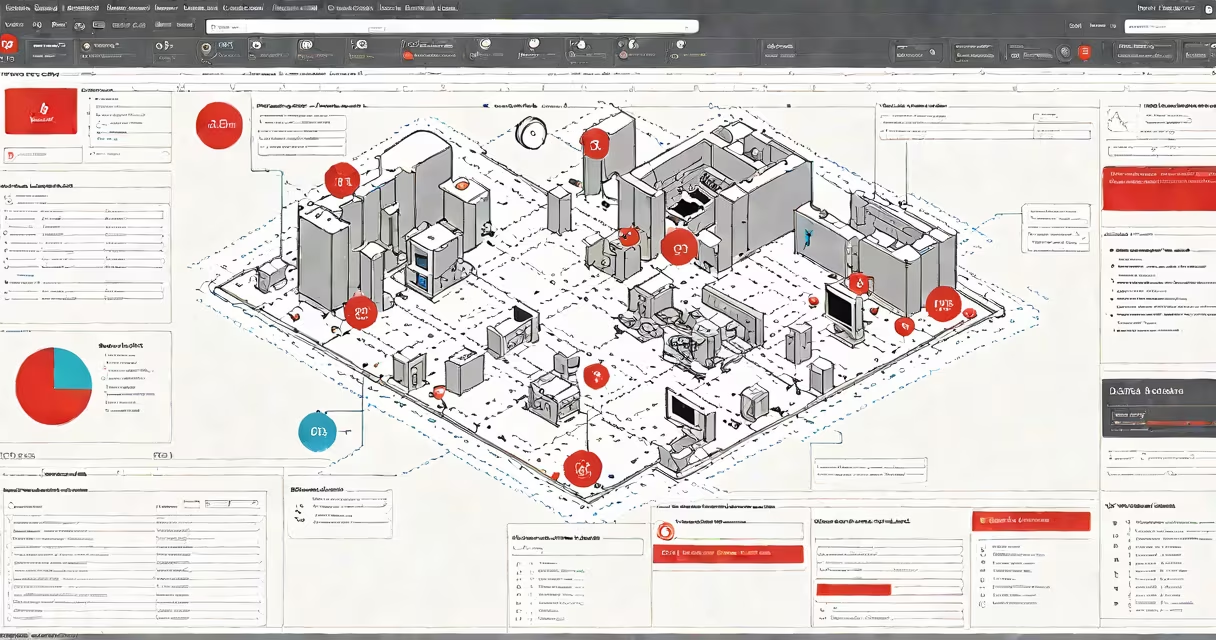
Nessus vulnerability scanner is a commercial security tool developed by Tenable that identifies, detects, and reports vulnerabilities in networks, servers, endpoints, and applications. It performs automated scans to uncover weaknesses such as outdated software, misconfigurations, and unpatched systems, helping organizations prevent breaches before attackers exploit them.
Used by IT teams, penetration testers, and compliance auditors, Nessus provides detailed reports on potential threats, including severity ratings, affected assets, and remediation steps. It supports scanning across physical, virtual, and cloud environments using a centralized console or agent-based deployment.
Nessus operates by sending probes to devices on a network and analyzing responses to detect known vulnerabilities. It uses a database of over 100,000 vulnerability checks derived from public sources like CVE, NVD, and vendor advisories. Scans run in real time and can be scheduled or triggered manually.
The tool begins by discovering IP addresses and open ports using network discovery protocols. Once hosts are identified, Nessus attempts to connect and gather system information-such as operating system version, installed software, and running services. Based on this data, it cross-references known exploits and configuration issues.
For example, during a scan of a corporate server, Nessus detects that the Apache web server runs version 2.4.10, which is vulnerable to a remote code execution flaw (CVE-2017-7679). The scanner flags this issue as "Critical" and includes the exploit's CVSS score (9.8), a description of the threat, and a recommendation to update to version 2.4.29 or later.
Nessus offers multiple editions tailored to different use cases. The most common versions are Nessus Professional, Nessus Essentials, and Nessus Manager.
| Version | Target Audience | Key Features | Limitations |
|---|---|---|---|
| Nessus Professional | Enterprises, security teams | Full vulnerability detection, compliance checks, integration with SIEM tools, advanced reporting | Requires a paid license; not free |
| Nessus Essentials | Small businesses, home labs | Free for up to 16 IP addresses; basic scanning and reporting | No API access; limited to 16 IPs; no agent deployment |
| Nessus Manager | Organizations managing multiple scanners | Centralized policy management, role-based access, audit trails, multi-user support | Higher cost; requires dedicated infrastructure |
Scanning modes include authenticated and unauthenticated scans. Authenticated scans log into systems with credentials and provide deeper insight-such as installed patches, user accounts, and file permissions-while unauthenticated scans simulate an external attacker's view.
A key distinction often missed: Nessus does not exploit vulnerabilities. It only identifies them. This separates it from penetration testing tools like Metasploit, which actively attempt to gain access. Using Nessus before a penetration test ensures you're not wasting time on known, fixable issues.
Many assume Nessus is only for large enterprises. That's incorrect. Small IT departments and even individual users have successfully used Nessus Essentials to secure home networks and small business servers.
Another misconception is that Nessus produces false positives at high rates. While no scanner is perfect, Tenable's research shows Nessus achieves a 94% accuracy rate in identifying real vulnerabilities, according to a 2022 internal validation study published in the Tenable Research Journal.
Real-world example: A healthcare provider in Ohio used Nessus to scan its internal network before HIPAA audits. The scan revealed 14 outdated Windows systems with unpatched SMB vulnerabilities. After applying updates and disabling legacy protocols, the organization passed its audit with zero findings related to known exploits.
Security teams also use Nessus to meet compliance standards. For example, PCI DSS requires quarterly vulnerability scans. Nessus generates reports that map findings to specific PCI requirements, making documentation faster and audit-ready.
I ran a Nessus scan on a test environment during a red team exercise. The initial unauthenticated scan reported 37 high-risk issues-including an exposed SSH service with default credentials and a web server running PHP 5.6, which reached end-of-life in 2019. After enabling authenticated scanning, we confirmed the presence of a known privilege escalation flaw in the Linux kernel (CVE-2021-34529).
Best practices include defining clear scan scopes, excluding sensitive systems during peak hours, and reviewing results weekly. Always validate findings with manual checks-especially for critical systems-to avoid disrupting operations.
Understanding what is Nessus vulnerability scanner means recognizing it as a foundational tool in proactive cyber defense-not a replacement for incident response, but a important step in reducing attack surface before incidents occur.