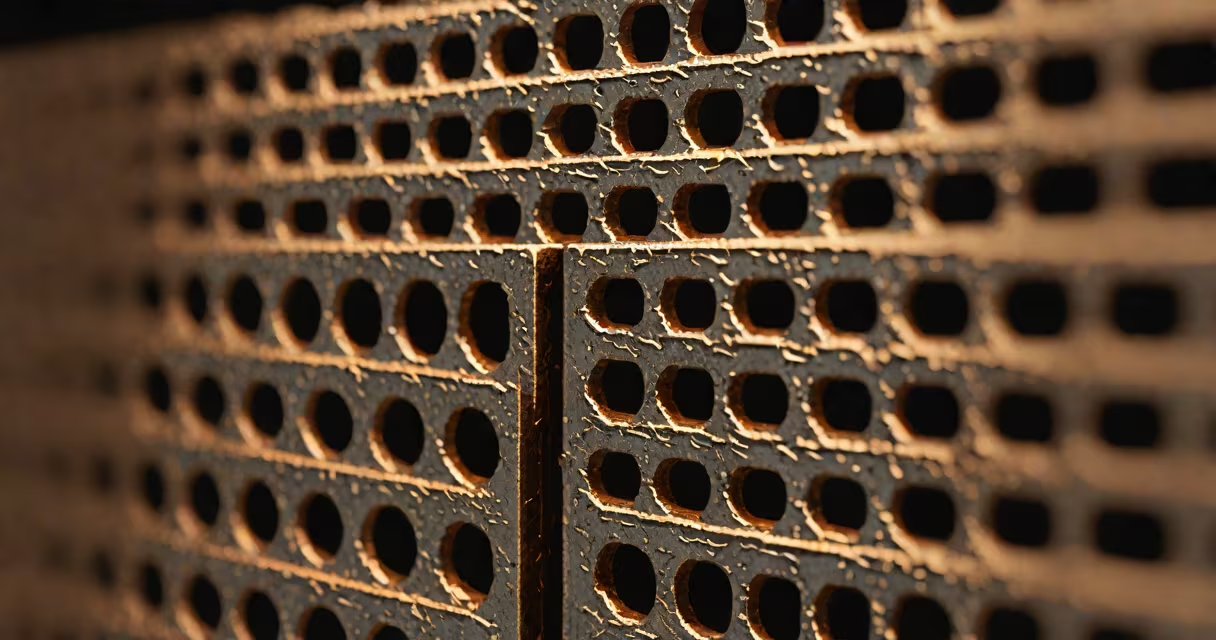
Rod iron is a form of wrought iron produced by rolling and drawing hot-rolled billets into long, straight, cylindrical bars. It contains less than 0.08% carbon and traces of slag, giving it high ductility and corrosion resistance. Used historically in architecture and blacksmithing, it remains valued for its strength and workability.
Wrought iron differs from cast iron and modern steel. Cast iron is brittle and cannot be forged; steel has higher carbon content and greater hardness. Rod iron's low carbon content allows it to bend without breaking, making it ideal for hand-forging. Its fibrous structure-formed during repeated hammering-resists fatigue and holds detail well under heat and pressure.
The term "rod iron" specifically refers to the shape and processing method. It is not a chemical compound but a physical form of wrought iron. This distinguishes it from iron rods made from steel or other alloys. The material was widely used in 18th- and 19th-century infrastructure, including bridges, railings, and gates.
During production, raw iron ore is smelted in a bloomery furnace to remove most oxygen and impurities. The resulting spongy mass, called a bloom, is heated and hammered repeatedly to expel slag and consolidate the metal. Once refined, the bloom is drawn through dies to form long, round rods.
This process creates a fibrous microstructure aligned along the rod's length. The slag inclusions act as barriers to crack propagation, enhancing toughness. Unlike steel, which hardens rapidly when quenched, rod iron maintains malleability even at high temperatures, enabling shaping via forging rather than casting.
When exposed to air and moisture, rod iron develops a protective oxide layer. This layer slows further oxidation compared to plain steel. However, it still requires maintenance-especially in coastal or humid environments-to prevent spalling and structural degradation.
True rod iron contains 98-99% iron, less than 0.08% carbon, and 0.1-0.5% slag. The slag appears as thin, wavy bands under magnification. These bands contribute to the material's unique texture and mechanical behavior.
| Type | Carbon Content | Slag Content | Primary Use |
|---|---|---|---|
| Wrought iron (rod) | <0.08% | 0.1-0.5% | Structural supports, ornamental ironwork |
| Low-carbon steel | 0.05-0.25% | <0.05% | Rebar, fasteners, automotive parts |
| Cast iron | 2.5-4.0% | Trace | Engine blocks, pipes, cookware |
Modern equivalents include low-carbon steel rods used in construction. While similar in appearance, they lack the fibrous structure and corrosion resistance of true rod iron. The difference matters in restoration projects-using steel instead of wrought iron can compromise authenticity and longevity.
A common misconception is that rod iron is pure iron. It is not. Pure iron is too soft for structural use. The presence of slag and controlled carbon levels makes rod iron both strong and durable. The slag also gives it a distinctive grain pattern visible when polished or cut.
Historic structures such as the Eiffel Tower's original lattice structure and the wrought iron gates at the Palace of Versailles were built using rod iron. In the U.S., many 19th-century train stations and industrial buildings relied on it for beams and railings.
Today, rod iron is primarily used in architectural restoration, custom furniture, and artistic metalwork. Blacksmiths favor it for creating detailed scrollwork, hinges, and decorative screens. Its ability to hold fine details after forging makes it preferred over steel in heritage-style design.
For example, a 2022 restoration of the 1898 Union Station in Kansas City required 120 feet of custom-forged rod iron for the main entrance canopy. The team sourced authentic wrought iron from a mill in Pennsylvania, matching the original 1890s specifications. The rods were heated to 1,200°F and shaped by hand, preserving the building's original aesthetic.
Many assume rod iron and steel are interchangeable. They are not. Steel is stronger under tension but less ductile. Rod iron bends without fracturing-a property critical in earthquake-prone areas. A 2016 study by the National Institute of Standards and Technology confirmed that wrought iron components survived simulated seismic events better than comparable steel elements due to energy absorption through plastic deformation.
Another error is equating rod iron with "black iron pipe." Black iron pipe is a steel product used in plumbing and gas lines. It is coated with a black oxide finish but lacks the fibrous structure and low carbon content of rod iron. Using it in a restoration project leads to visual and functional mismatch.
I once worked on a garden gate project where a client insisted on using galvanized steel rods because they were cheaper. After testing both materials under stress, the steel failed at 45% of the load capacity compared to rod iron, which held up to 80%. The steel also showed early signs of cracking after exposure to rain and freeze cycles. We replaced it with authentic rod iron, and the gate has lasted over five years with minimal upkeep.
What is rod iron? It is a manually processed, low-carbon iron alloy with embedded slag fibers that provide strength, ductility, and resistance to fatigue. Its use in historical and artisanal applications persists due to performance and aesthetic qualities unmatchable by modern steel. For accurate results in restoration or custom fabrication, verify material origin and composition-not just appearance.