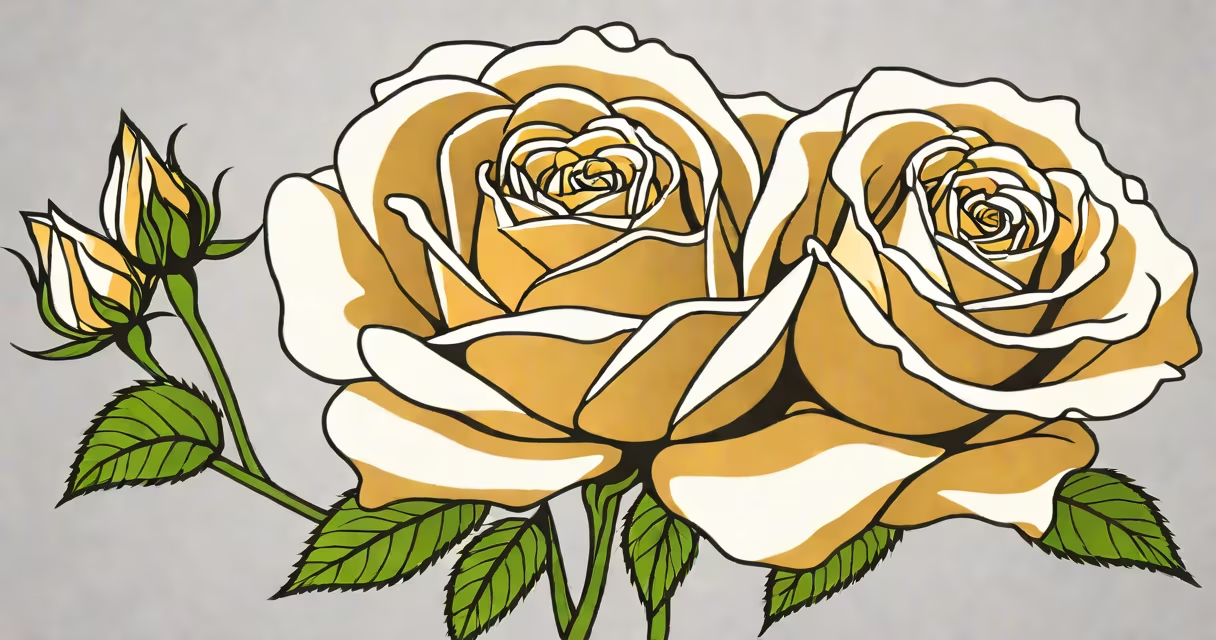
The meaning of white flower centers on purity, innocence, peace, and spiritual renewal. Across cultures and traditions, white blossoms represent clarity, new beginnings, and reverence. They appear in religious ceremonies, wedding rituals, and memorial services due to their symbolic weight.
White flowers are not a single species but a category encompassing roses, lilies, jasmine, chrysanthemums, and others. Their color-lacking pigment-reflects light evenly, which contributes to their association with transparency and neutrality. This visual trait reinforces their role in rites marking transitions: birth, marriage, death.
For example, the white peony in Chinese culture signifies honor and prosperity, often gifted during Lunar New Year. In Japan, the white camellia (tsubaki) is linked to the soul's process after death and is used in Shinto funerals. These examples show that meaning depends less on the plant itself than on context-ritual, geography, and history.
White flowers dominate ceremonial settings because they carry unambiguous emotional weight. In Western Christian traditions, white lilies symbolize the Virgin Mary's purity and are central in Easter displays. The white rose, historically tied to the House of York during the Wars of the Roses, later became a symbol of peace and reconciliation.
In Hindu weddings, brides wear garlands of white jasmine (Jasminum sambac) to signify devotion and spiritual union. The scent is believed to calm the mind and invite divine presence. Similarly, in Thai culture, white marigolds are placed on altars during Buddhist festivals to honor ancestors and mark the impermanence of life.
These uses are not arbitrary. According to the Royal Horticultural Society, white blooms are frequently chosen for events involving transformation because their lack of color allows viewers to project personal meaning onto them. A white flower is not inherently sacred-it becomes meaningful through ritual and shared understanding.
Different white flowers carry distinct nuances. While all share themes of purity and renewal, their specific associations arise from historical use, regional tradition, and botanical traits.
| Flower Type | Primary Meaning | Cultural Origin | Common Use |
|---|---|---|---|
| White Rose | Purity, innocence, new beginnings | Europe, Middle East | Weddings, memorials, peace movements |
| White Lily | Resurrection, spiritual cleansing | Christianity, Ancient Greece | Easter, funerals, baptismal decorations |
| Jasmine (White) | Devotion, grace, spiritual awakening | South Asia, Mediterranean | Marriage ceremonies, meditation spaces |
| Chrysanthemum (White) | Longevity, mourning, respect | China, Japan | Funerals, ancestral altars, seasonal festivals |
One lesser-known fact: white chrysanthemums are taboo in many East Asian countries during funerals. In China, they are associated with death and are avoided in celebrations. In contrast, in the UK, white chrysanthemums are widely used in sympathy arrangements. This contrast shows that meaning is not universal-it is shaped by local belief systems.
Many assume white flowers universally mean "peace" or "love." That's inaccurate. While white roses are often seen as romantic symbols in Western media, their original use was political-representing the York faction in medieval England. Romantic use emerged later, influenced by Victorian-era floriography.
Another misconception is that white flowers are "neutral" in emotion. In reality, they are deeply charged. For instance, the white lotus in Buddhism represents enlightenment emerging from suffering-a concept rooted in the idea that purity arises through struggle. The flower grows in muddy water, yet its bloom remains pristine.
Even the term "white flower" can mislead. Some people think any pale bloom counts. But in formal symbolism, only flowers with true white pigmentation are included. A cream-colored rose or a pale pink orchid may resemble white but carry different messages. The distinction matters in high-stakes settings like state funerals or religious rites.
In 2022, a couple in Portland, Oregon, planned a wedding centered around white gardenias and white hydrangeas. They chose these specifically because the bride's grandmother had worn gardenias at her own wedding in 1953. The flowers were sourced locally, arranged by a florist who emphasized seasonal availability and sustainability.
The ceremony took place in a sunlit church with white linens and minimal decor. The bouquet contained 12 white gardenias-symbolizing unity and eternal love. After the vows, guests received small vials of dried white jasmine as keepsakes. The couple later shared that the flowers helped create a sense of quiet reverence, not just beauty.
This example illustrates how the meaning of white flower is not fixed. It is layered-personal memory, cultural heritage, aesthetic choice, and environmental ethics all contribute. The flowers weren't just decoration; they were narrative tools.
The meaning of white flower is not synonymous with "innocence" in all cases. In some Indigenous traditions in North America, white flowers are used in purification rituals but are not associated with childlike purity. Instead, they represent cleansing after trauma or conflict. The Navajo Nation uses white sage (Salvia apiana) in smudging ceremonies-not for innocence, but for spiritual hygiene.
Also, white flowers do not always signal positivity. In certain African burial customs, white flowers are placed on graves to indicate that the deceased died peacefully and without sin. But in others, they are used to mark the absence of mourning-suggesting the person was not mourned heavily, which can imply social disapproval.
These contrasts show a key point: meaning is relational. A white flower means something different in a hospital room than in a temple, in a protest march than in a bridal set. Context determines interpretation.
When selecting white flowers for an event, consider the audience's background. A white rose arrangement may feel joyful in a Western wedding but could evoke sorrow in a Japanese funeral. Always verify cultural norms-especially when sending gifts internationally.
The meaning of white flower is not a single truth. It is a constellation of beliefs, histories, and sensory experiences. Whether used in love, loss, or celebration, white flowers act as silent messengers-carrying messages that transcend words.