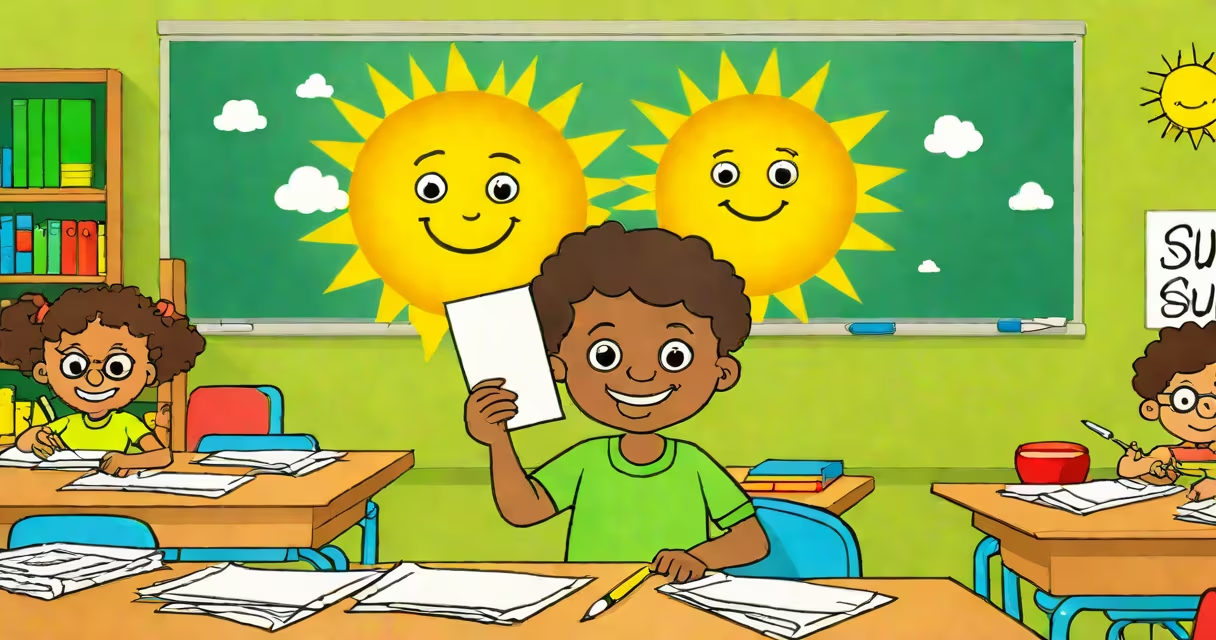
By the end of first grade, children should read simple texts independently, solve basic addition and subtraction problems, write short sentences using correct capitalization and punctuation, and manage peer interactions with empathy and cooperation. These skills form the foundation for lifelong learning and social engagement.
First graders transition from learning to read to reading to learn. They move from sounding out letters to recognizing whole words instantly. This shift happens through consistent exposure to decodable texts-books using only phonetic patterns they've studied. For example, a student who knows the "at" family (cat, bat, hat) can decode "hat" in a story about a boy wearing a red hat.
Math instruction centers on number sense. Children count to 120, understand place value up to 100, and solve word problems involving adding or subtracting within 20. A typical classroom task involves sorting 24 counters into groups of 5 and counting how many groups remain. This builds mental models for later multiplication and division.
Social-emotional growth is equally critical. First graders learn to take turns during circle time, ask for help politely, and recognize emotions in others. Teachers use role-play scenarios-like sharing crayons-to practice conflict resolution. A child who says, "I want to draw too," learns to negotiate: "Can we trade after one minute?"
Children entering first grade typically know letter sounds and can write their name. By year's end, they should:
| Skill Area | End-of-Year Benchmark | Real-World Example |
|---|---|---|
| Reading Fluency | Read 40-60 words per minute with accuracy | Reading aloud from a leveled book like *The Very Hungry Caterpillar* with expression and pauses at commas. |
| Math Operations | Solve 10 addition and subtraction problems within 20 | Using fingers or drawings to calculate: "There were 12 birds. 5 flew away. How many stayed?" |
| Writing | Write a paragraph describing a favorite animal using complete sentences | "My dog Max is brown. He likes to run. He wags his tail when he sees me." |
Many parents assume that first graders should master handwriting by fall. That's incorrect. Handwriting develops gradually. A child may write letters backward (like "b" instead of "d") or reverse shapes (e.g., "p" and "q") due to immature visual-motor coordination. This is normal until age 7. Pushing perfect penmanship too early harms confidence and slows progress.
Another myth: "If my child doesn't read chapter books yet, they're behind." First graders don't read chapter books. They read short, illustrated texts with predictable patterns. The goal is fluency-not volume. A child reading 30 words per minute with 95% accuracy is on track. Reading 100 words per minute with errors is not.
A non-obvious fact: Children often struggle with math not because they lack ability, but because they haven't internalized number relationships. For example, a student may know "5 + 3 = 8" but not realize "8 - 3 = 5" is the same fact reversed. Teachers use number bonds and fact families to build this awareness early.
I once observed a first-grade classroom where students used magnetic letters to spell compound words like "raincoat" and "lunchbox." One girl struggled to sound out "lunch." She paused, then said, "I know 'lunch'! It's like 'lump' but with a 'ch'!" Her teacher didn't correct her; she praised the strategy. That moment showed how phonemic awareness grows through experimentation, not memorization.
At home, parents can support learning by asking open-ended questions during daily routines. After dinner, ask: "What was the most fun part of school today?" or "Can you show me how you solved that math problem?" These conversations reinforce metacognition-the ability to think about thinking.
First grade sets the stage for second grade's expanded curriculum. Students who master number combinations (e.g., 7 + 8 = 15) and sight word recognition (e.g., "because," "through") enter second grade ready to tackle longer stories and multi-digit arithmetic. Without these foundations, gaps widen quickly.
Parents should monitor progress not by comparing their child to peers, but by tracking individual growth. A child who improved from reading 10 words per minute to 50 over the year is making meaningful progress-even if still below class average.
If concerns arise, consult the school's reading specialist or speech-language pathologist. Early intervention prevents later struggles. According to the National Center for Learning Disabilities, 80% of children who struggle with reading in third grade had early signs in kindergarten or first grade.