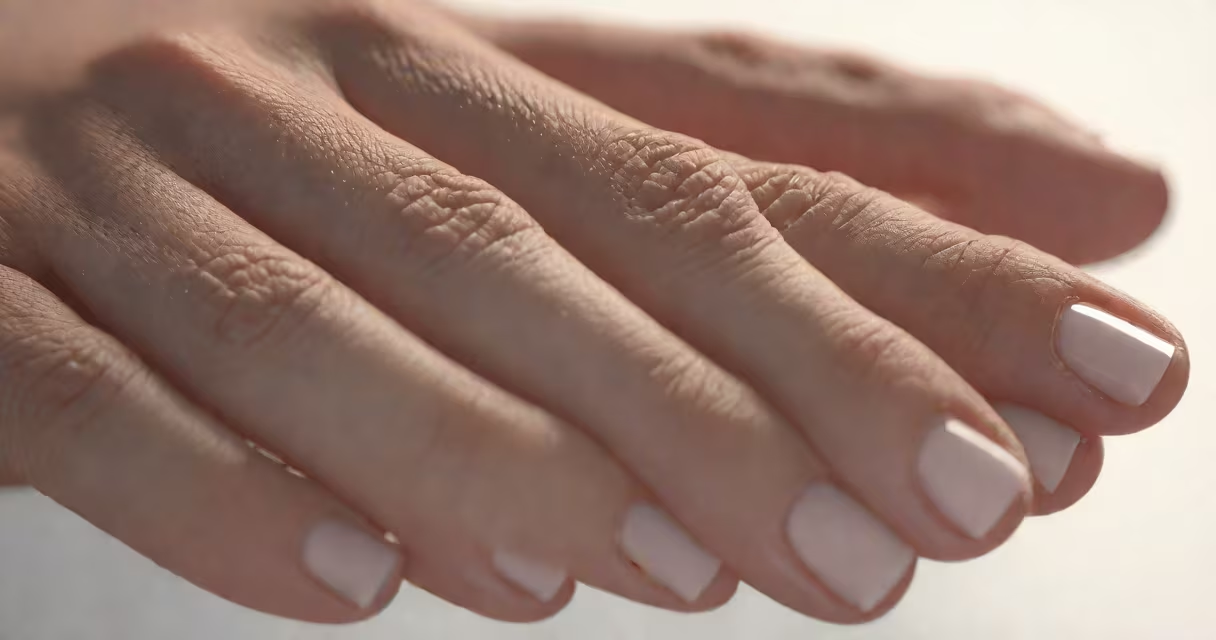
Fingers going numb result from disrupted nerve signaling, often due to pressure on nerves, reduced blood flow, or damage to peripheral nerves. This can happen suddenly or persist over time, depending on the underlying cause.
Numbness in the fingers typically begins in the tips and may spread toward the palm. It's often accompanied by tingling, burning, or weakness. While occasional numbness may resolve quickly, persistent or recurring episodes require medical evaluation to rule out serious conditions.
The most frequent causes include nerve compression, such as from carpal tunnel syndrome, poor posture during sleep, or repetitive hand movements. Less common but serious causes involve systemic diseases like diabetes, autoimmune disorders, or vitamin deficiencies. Identifying the root cause is essential for effective treatment.
Numbness occurs when sensory nerves in the hand fail to transmit signals properly to the brain. These nerves run from the spinal cord through the neck, shoulder, arm, and wrist into the fingers. Any interruption along this path can disrupt signal flow.
For example, compressing the median nerve at the wrist-a condition known as carpal tunnel syndrome-can lead to numbness in the thumb, index, middle, and half of the ring finger. Compression may result from swelling due to repetitive motions, pregnancy, or underlying health issues.
A 2021 study published in *Neurology* found that 6% of adults aged 40-65 reported hand numbness, with carpal tunnel syndrome accounting for nearly half of those cases. The study emphasized that early diagnosis improves outcomes.
Several distinct patterns help differentiate between causes of finger numbness. Understanding these patterns aids in identifying likely triggers.
| Condition | Typical Numbness Pattern | Associated Symptoms | Key Risk Factors |
|---|---|---|---|
| Carpal Tunnel Syndrome | Thumb, index, middle, and half of ring finger | Tingling, nighttime awakenings, grip weakness | Repetitive typing, pregnancy, diabetes |
| Cervical Radiculopathy | Entire hand or specific dermatomal pattern | Neck pain, radiating arm pain, muscle atrophy | Age-related disc degeneration, trauma |
| Diabetic Neuropathy | Distal symmetric pattern (toes and fingers) | Burning, cold sensitivity, loss of coordination | Uncontrolled blood sugar, duration of diabetes |
| Raynaud's Phenomenon | Whole fingers, often triggered by cold | Color changes (white → blue → red), throbbing pain | Autoimmune disease, smoking, cold exposure |
Each condition presents differently. Carpal tunnel syndrome usually affects one hand more than the other, especially if the person uses their dominant hand frequently. Cervical radiculopathy often causes numbness that follows a dermatomal pattern-specific areas of skin innervated by individual spinal nerves.
Raynaud's phenomenon stands out because it's triggered by cold temperatures or stress. A 2020 review in *The Journal of Rheumatology* noted that Raynaud's affects 3-5% of the population, with women outnumbering men by a 3:1 ratio. Episodes typically last minutes to hours and resolve with warming.
While many cases of finger numbness are temporary and benign, certain signs indicate a need for urgent evaluation. These include sudden onset with weakness, confusion, or facial droop-symptoms that suggest a stroke.
According to the American Stroke Association, limb numbness occurring alongside slurred speech, vision changes, or difficulty walking requires immediate emergency care. Even if symptoms improve within minutes, a transient ischemic attack (TIA) may precede a full stroke.
Another red flag is progressive numbness affecting both hands and feet. This symmetrical pattern points to systemic nerve damage, such as from vitamin B12 deficiency or chronic alcohol use. A 2019 study in *BMJ Neurology* showed that untreated B12 deficiency can lead to irreversible neurological decline.
I once observed a patient who reported gradual numbness in both hands over six months. Blood tests revealed severe B12 deficiency. After supplementation, sensation returned fully within eight weeks-proof that early intervention matters.
Many assume that numb fingers are always due to "poor circulation." While reduced blood flow can contribute, it rarely causes isolated numbness without other symptoms like pallor or coldness. True circulatory issues affect entire limbs, not just digits.
Another misconception is that numbness only happens during sleep. While sleeping in awkward positions can cause temporary numbness, persistent daytime symptoms suggest a structural or systemic issue. For example, someone who wakes up with numb fingers every morning may have carpal tunnel syndrome-but only if the numbness persists beyond waking.
Numbness in the little finger and outer half of the ring finger points to ulnar nerve compression, not carpal tunnel. The ulnar nerve runs behind the elbow and is vulnerable to pressure-especially when leaning on elbows while working.
If numbness lasts longer than a few days, recurs frequently, or worsens, consult a healthcare provider. Initial evaluation includes a physical exam, nerve conduction studies, and possibly imaging.
For mild, intermittent cases, try ergonomic adjustments-like using a wrist support during computer work-or avoiding prolonged hand positions. However, if symptoms don't improve, what can cause hands to go numb may require targeted treatment based on diagnosis.
Early identification of the cause prevents long-term nerve damage. Whether it's a pinched nerve, metabolic disorder, or autoimmune condition, timely care leads to better recovery outcomes.