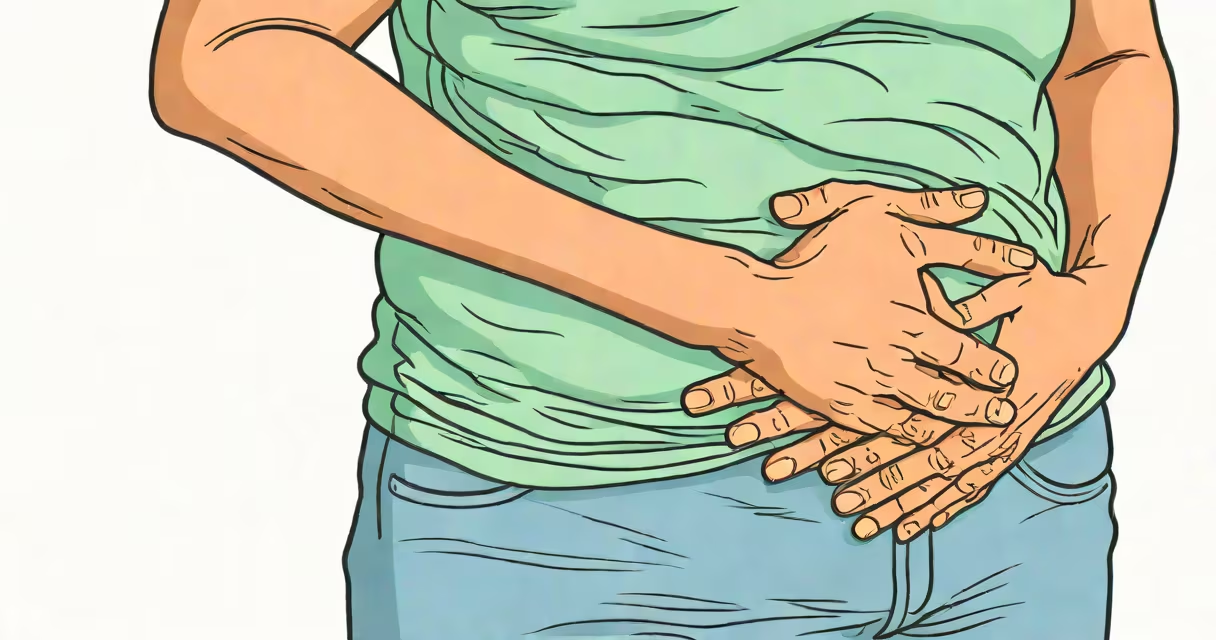
Constipation hurts because hardened stool distends the colon, activates pain receptors in the intestinal wall, and triggers involuntary muscle contractions. This physical stress leads to cramping, bloating, and sharp or dull abdominal pain.
The sensation arises from mechanical pressure and inflammation. As stool accumulates in the lower colon or rectum, it stretches the surrounding tissue. Nerve endings in the gut wall detect this stretch and send signals to the brain that register as pain. The body responds with spasms in the smooth muscle layers of the bowel, which intensify discomfort.
According to the American College of Gastroenterology, chronic constipation affects 16% of adults in the U.S., with pain being a primary reason patients seek care. Pain often worsens during attempted defecation due to straining, which increases intra-abdominal pressure and irritates sensitive tissues.
Pain from constipation stems from three interrelated mechanisms: mechanical distension, visceral hypersensitivity, and secondary complications like fissures or hemorrhoids.
When stool remains in the colon for extended periods, water is absorbed, turning soft material into hard, dry masses. These masses occupy space and press against the bowel wall. The colon's muscular layers contract to push contents forward, but when resistance is high, contractions become uncoordinated and painful.
Visceral hypersensitivity occurs when nerve pathways in the gut become overly responsive. A 2021 study published in *Gastroenterology* found that people with functional constipation often have heightened sensitivity to normal levels of bowel distension. This means even mild stretching can feel intense.
Straining during bowel movements can lead to anal fissures-small tears in the lining of the anus. These cause sharp, burning pain during and after defecation. Hemorrhoids may also develop, causing throbbing pain and bleeding. Both conditions are common contributors to ongoing discomfort.
Pain patterns vary based on location and underlying cause. Cramps are typically colicky-coming in waves-and felt in the lower abdomen. Dull, constant ache suggests prolonged distension. Sharp, localized pain may indicate a partial obstruction or fissure.
| Pain Type | Location | Common Cause | Associated Symptoms |
|---|---|---|---|
| Cramping | Lower abdomen | Uncoordinated contractions | Bloating, gas, urge to pass stool |
| Dull ache | Mid-abdomen | Chronic stool buildup | Feeling of fullness, low energy |
| Sharp pain | Anus or rectum | Fissures, hemorrhoids | Bleeding, burning sensation |
For example, a 42-year-old woman reported severe lower abdominal cramps lasting over 48 hours after reducing fiber intake. She described the pain as "waves of tightening" and noted she hadn't had a bowel movement in five days. After a laxative regimen, her symptoms resolved within 12 hours. This illustrates how delayed transit time leads to rhythmic, painful contractions.
Many assume constipation pain is simply "not passing stool." But the pain is physiological, not psychological. It results from actual tissue stress and neural signaling, not imagined discomfort.
A frequent error is dismissing pain as minor until it becomes incapacitating. The National Institute of Diabetes and Digestive and Kidney Diseases warns that persistent pain, especially with vomiting, fever, or blood in stool, may signal a bowel obstruction or ischemia-conditions requiring immediate medical evaluation.
Another misconception is that pain from constipation always resolves with laxatives. While they help in most cases, they don't address structural issues like rectocele (a prolapse of the rectum into the vagina) or pelvic floor dysfunction. These require physical therapy or surgery.
Pain from constipation warrants attention if it lasts more than three days, interferes with daily activities, or is accompanied by warning signs. These include:
One patient I observed in a clinic setting experienced severe left-sided abdominal pain for seven days. Initial diagnosis was functional constipation. However, imaging revealed a sigmoid volvulus-a twist in the colon that blocked flow. Emergency decompression was needed. This case highlights that pain from constipation can mask serious pathology.
For individuals managing chronic constipation, tracking pain patterns alongside bowel habits using a diary improves diagnostic accuracy. The Rome IV criteria, used by gastroenterologists, define functional constipation based on symptom duration and frequency, including pain severity.
Recent research suggests gut bacteria influence both stool consistency and pain perception. A 2023 study in *Nature Microbiology* found that reduced microbial diversity correlates with slower colonic transit and increased visceral sensitivity. Probiotic strains like *Bifidobacterium longum* show modest benefit in reducing constipation-related pain in trials.
This means pain isn't just about stool hardness-it's also modulated by the internal environment of the gut. Not all constipation is the same. Some cases stem from motility disorders, others from diet, medication side effects, or neurological factors.
For instance, a 65-year-old man taking oxycodone for chronic back pain developed severe constipation and abdominal pain. His pain intensified at night and improved slightly after enemas. He was later diagnosed with opioid-induced constipation, a condition where pain arises from altered gut motility rather than just stool mass.
Understanding why constipation hurts involves recognizing it as a physical process-not just inconvenience. The pain arises from distension, nerve activation, and tissue strain. Ignoring it risks worsening conditions like fissures or obstructions.
Recognizing the difference between typical discomfort and alarm symptoms prevents delays in treatment. Pain is a signal-not a nuisance to endure.