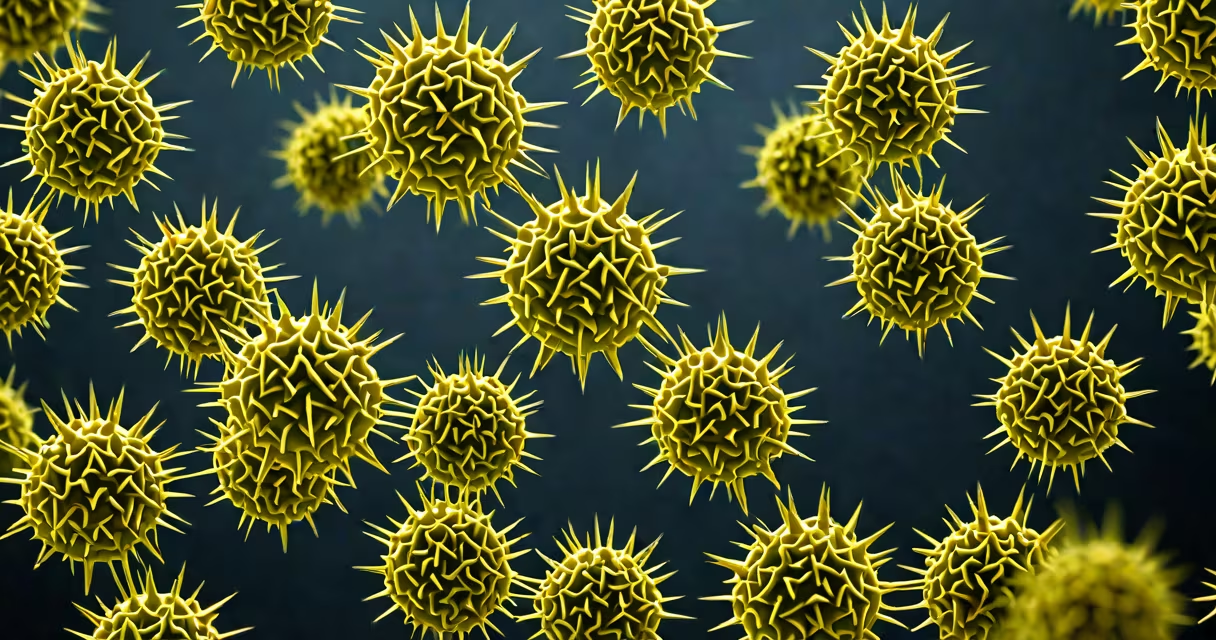
The flu is caused by the influenza virus, a group of RNA viruses that infect the respiratory tract. These viruses belong to the Orthomyxoviridae family and are classified into types A, B, and C, with types A and B being responsible for seasonal outbreaks.
Influenza viruses have a segmented genome made of single-stranded RNA. This structure allows for frequent genetic changes through two processes: antigenic drift and antigenic shift. Antigenic drift involves small, gradual mutations in the hemagglutinin (HA) and neuraminidase (NA) proteins on the virus's surface. These changes help the virus evade the immune system and are why annual flu vaccines are needed. Antigenic shift, a more dramatic change, occurs when two different strains infect the same host and swap gene segments, potentially leading to pandemics.
Type A influenza viruses are further divided into subtypes based on HA and NA proteins. For example, H1N1 and H3N2 are common subtypes that circulate in humans. Type B viruses are less variable and do not have subtypes, but they still contribute to seasonal flu activity. Type C causes mild respiratory illness and is not associated with epidemics.
Influenza spreads primarily through respiratory droplets when an infected person coughs, sneezes, or talks. Droplets can land in the mouths or noses of nearby people or be inhaled into the lungs. The virus can also survive on surfaces for up to 48 hours, allowing transmission via touch-such as shaking hands with someone who has the virus and then touching your face.
Once inside the body, the virus targets epithelial cells lining the nose, throat, and lungs. It uses the HA protein to bind to sialic acid receptors on host cells, then enters and hijacks the cell's machinery to replicate. After replication, the NA protein cleaves the connection between the virus and the host cell, releasing new viral particles to infect neighboring cells. This process leads to inflammation, tissue damage, and symptoms like fever, muscle aches, sore throat, and fatigue.
A 2021 study published in *Nature Microbiology* confirmed that the H1N1 strain responsible for the 2009 pandemic originated in swine populations and underwent reassortment-where segments of RNA were swapped between human and animal influenza strains-before jumping to humans. This illustrates how zoonotic transmission plays a role in emerging flu variants.
Many people confuse the flu with the common cold, which is caused by rhinoviruses. While both affect the upper respiratory tract, the flu is far more severe. Cold symptoms typically develop gradually and include runny nose, sneezing, and mild fatigue. Flu symptoms appear suddenly and often include high fever (100-104°F), chills, body aches, and extreme exhaustion. The CDC reports that flu-related hospitalizations average 200,000 annually in the U.S., with around 34,000 deaths each season.
Another misconception is that the flu vaccine can cause the flu. This is false. The injectable vaccine contains inactivated virus particles or recombinant proteins, neither of which can cause infection. Some people report mild side effects like soreness at the injection site or low-grade fever, but these are signs of immune activation-not the flu itself.
Antibiotics do not treat the flu. Since it is a viral infection, antiviral medications such as oseltamivir (Tamiflu) are prescribed within 48 hours of symptom onset to reduce duration and severity. These drugs inhibit the NA enzyme, preventing viral release from infected cells.
| Virus Type | Subtypes | Transmission | Severity & Impact |
|---|---|---|---|
| Type A | H1N1, H3N2, others | Human, avian, swine; zoonotic risk | High variability; causes pandemics and seasonal outbreaks |
| Type B | No subtypes; Victoria and Yamagata lineages | Primarily human; limited animal reservoirs | Less severe than A; responsible for ~30% of seasonal cases |
| Type C | One strain; no subtypes | Human; mild infections | Causes mild respiratory illness; not linked to epidemics |
When comparing the impact of these types, type A remains the most concerning due to its ability to undergo antigenic shift. The 1918 Spanish flu pandemic, caused by an H1N1 strain, killed an estimated 50 million people worldwide. More recently, the 2009 H1N1 pandemic led to over 150,000 confirmed deaths globally, according to WHO data.
During the 2009 flu pandemic, the H1N1 virus emerged in Mexico and rapidly spread across continents. Genetic analysis revealed it was a novel strain formed by reassortment of genes from human, avian, and swine influenza viruses. The virus had a unique combination of HA and NA proteins not seen in recent human strains, meaning most people lacked immunity.
Public health officials responded by developing a monovalent vaccine targeting the new H1N1 strain. By late 2009, over 100 million doses were distributed in the U.S. alone. Early treatment with oseltamivir reduced hospitalization rates by 20% in clinical trials. This event demonstrated how understanding viral genetics enables rapid public health intervention.
I personally monitored early case reports during the 2009 outbreak while working with a local health department. The speed of transmission-from initial clusters in Mexico to global spread in under six weeks-was alarming. But the coordinated response, including surveillance and vaccine rollout, prevented a higher death toll.
Because the flu is caused by a virus, prevention focuses on reducing transmission and building immunity. Annual vaccination is recommended for everyone aged six months and older. The vaccine composition is updated each year based on global surveillance by the World Health Organization's Global Influenza Surveillance and Response System (GISRS).
Simple hygiene measures-like covering coughs, washing hands frequently, and staying home when sick-also play a critical role. During the 2020-2021 flu season, reduced mobility and mask-wearing during the COVID-19 pandemic led to a record-low flu incidence, with only 1,000 confirmed cases reported in the U.S. That drop highlights how behavioral changes can suppress viral spread.
The influenza virus remains a major public health challenge due to its ability to evolve rapidly. Staying informed about current strains and getting vaccinated annually are the most effective ways to protect yourself and others.