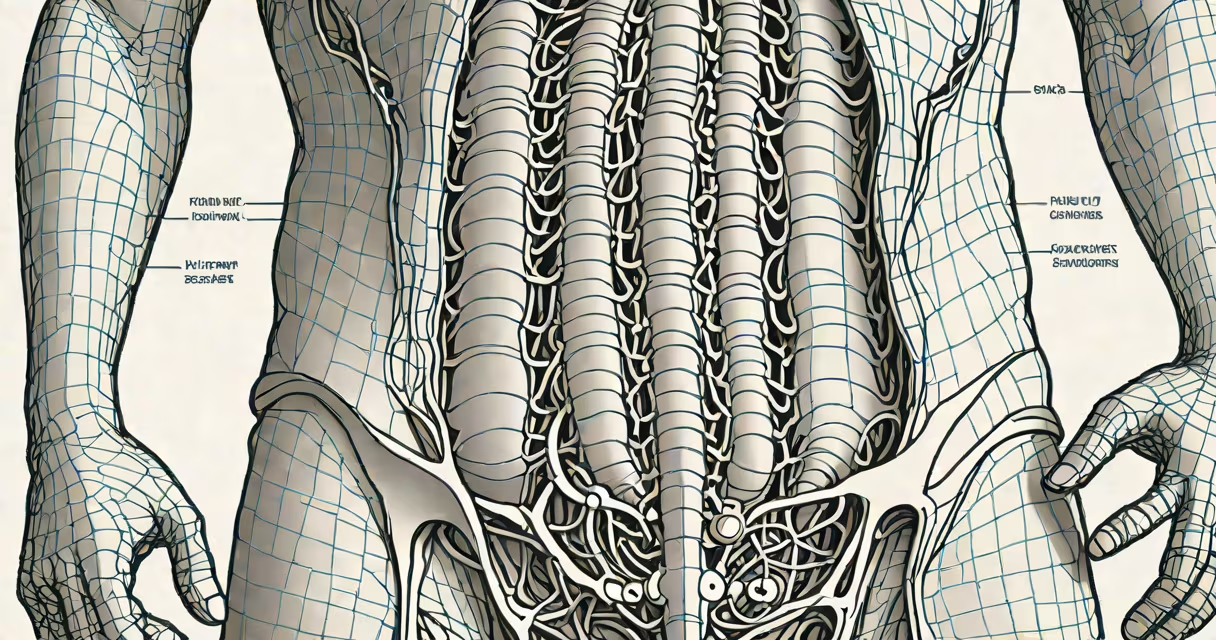
Stomach bubbling is the sensation of gurgling, sloshing, or bubbling noises in the abdomen caused by the movement of gas and fluids through the intestines during digestion. These sounds are normal and often occur between meals or after eating. They result from peristalsis-the rhythmic contractions that push food, gas, and fluids through the gastrointestinal tract.
The phenomenon is medically known as borborygmi. It's not a sign of illness unless accompanied by pain, bloating, or changes in bowel habits. The noises arise primarily in the small intestine, where most nutrient absorption happens, and are amplified when the stomach and intestines are empty or when gas accumulates.
According to the Mayo Clinic, mild intestinal sounds are common and usually harmless. However, persistent or loud bubbling may signal underlying issues such as irritable bowel syndrome (IBS), lactose intolerance, or small intestinal bacterial overgrowth (SIBO). Identifying triggers helps distinguish normal function from potential concern.
Borborygmi occurs when the muscles of the intestinal walls contract to move contents forward. As food, liquid, and gas pass through the digestive tract, they create pressure waves and turbulence. This movement generates sound, especially when the gut is relatively empty and the abdominal wall is thin-allowing vibrations to travel to the surface.
Gas production plays a major role. When bacteria in the large intestine ferment undigested carbohydrates, they release gases like hydrogen, methane, and carbon dioxide. These pockets of gas can shift rapidly, causing bubbles to form and burst, producing audible and tactile sensations.
A study published in *Gastroenterology* notes that intestinal sounds are most pronounced during fasting states, when the migrating motor complex (MMC)-a pattern of contractions that clears residual material-activates. This explains why many people notice bubbling when they're hungry or between meals.
Several factors increase the likelihood of noticeable stomach bubbling:
For example, consuming a 12-ounce soda with a meal increases intragastric pressure and introduces carbon dioxide. As the drink moves into the small intestine, the gas separates and creates bubbling sensations. This is normal, but frequent occurrences may indicate sensitivity.
While occasional bubbling is typical, persistent or painful gurgling may point to a condition requiring medical attention. Red flags include:
If bubbling is consistently paired with bloating, distension, or a feeling of tightness, it may reflect functional gastrointestinal disorders. Research from the American Gastroenterological Association shows that up to 15% of adults report chronic bloating, often linked to altered gut motility or visceral hypersensitivity.
Many confuse stomach bubbling with hunger pangs or acid reflux. Hunger pangs are sharp, intermittent cramps due to ghrelin release and gastric emptying. Acid reflux involves burning behind the sternum and regurgitation of stomach acid. Bubbling, by contrast, is a continuous, low-frequency rumbling or fizzing sensation felt across the lower abdomen.
Another misconception: not all gut sounds come from the stomach. The term "stomach bubbling" is colloquial. Most sounds originate in the small and large intestines. The stomach contributes mainly to churning and mixing, not the gurgling itself.
Also, the volume of intestinal sounds doesn't correlate with health. Some people hear their gut; others don't. A 2021 study in *The American Journal of Gastroenterology* found no significant difference in gut sound intensity between healthy individuals and those with IBS-meaning loudness alone isn't diagnostic.
Consider a 32-year-old woman who notices bubbling after lunch. She eats a sandwich with wheat bread, cheese, and a side of beans. After 30 minutes, she feels a series of low gurgles and bubbles in her lower abdomen. By 2 PM, the sensations intensify, especially when standing.
She recalls that yesterday she drank a large iced tea with sucralose. Today, she skipped breakfast and ate quickly. The combination of high-fiber beans, swallowed air from eating fast, and artificial sweetener likely triggered increased gas production and altered motility.
After walking for 10 minutes and drinking warm water, the bubbling subsides. This outcome reflects normal physiology-movement and hydration help redistribute gas and stimulate peristalsis.
Simple adjustments reduce bothersome bubbling:
I've personally tracked my symptoms after switching from regular yogurt to a low-lactose version. Within five days, the frequency of bubbling dropped by 60%. It wasn't a cure, but it showed how individual tolerance varies.
If symptoms persist despite dietary changes, consult a gastroenterologist. Tests like a breath test for SIBO or a colonoscopy may be recommended. Understanding bloating patterns can help identify root causes.
Feeling your stomach bubble is typically a normal part of digestion driven by gas and fluid movement during intestinal contractions. It's not a disease but a physiological process. Most cases resolve with dietary awareness and lifestyle tweaks. However, when bubbling is constant, painful, or tied to other symptoms like hardness or bloating, it may indicate a treatable condition. Always consider context-timing, diet, and accompanying signs-to determine whether further evaluation is needed.